
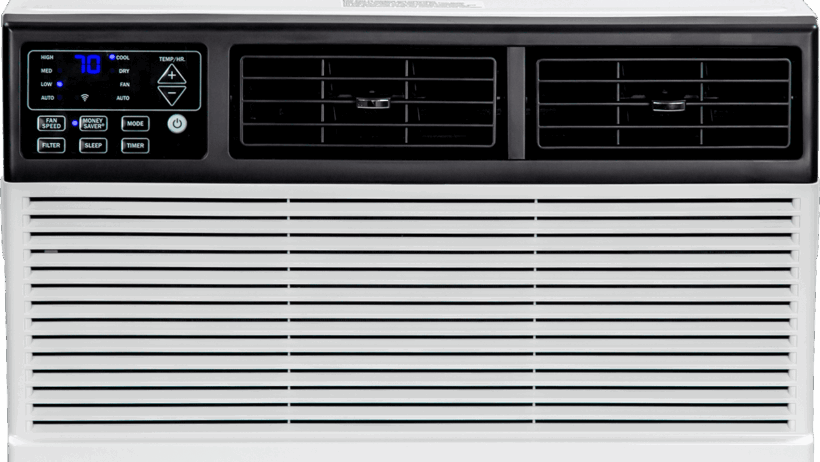

As temperatures soar during the summer months, the use of air conditioning becomes almost ubiquitous. However, the comfort provided by these machines comes with a significant energy price tag, contributing to greenhouse gas emissions and climate change. Thus, understanding how to conserve energy while effectively utilizing air conditioning systems is both an ethical responsibility and a practical necessity. This article delves into various strategies and techniques that empower individuals to chill out without wasting power.
To begin, it is crucial to comprehend the relationship between energy consumption and air conditioners. These appliances work by removing heat from indoor air, expelling it outside, thereby cooling the interior space. However, they often operate inefficiently, particularly when settings are not optimized. To mitigate this, users can adopt several proactive measures that enhance efficiency while maintaining comfort.
1. Optimize Thermostat Settings
A primary element in energy conservation is the thermostat setting. The U.S. Department of Energy advocates for a thermostat setting of 78°F (26°C) when home. Though this may seem warm for some, adjusting the temperature a few degrees higher can yield significant energy savings. Every degree of temperature reduction in an air conditioner can increase energy consumption by 3 to 8 percent. Consider employing programmable thermostats. These devices allow users to set variable temperatures based on occupancy, making it unnecessary to cool an empty house.
2. Embrace Ceiling Fans
Ceiling fans offer a viable complementary solution to air conditioning. Their gentle air circulation can create a wind-chill effect, allowing for higher thermostat settings without sacrificing comfort. When used in unison with air conditioning, fans help distribute cool air more evenly throughout the room, enhancing efficiency. This synergy can enable users to raise their set temperature without perceiving a decrease in comfort.
3. Enhance Insulation and Sealing
The efficacy of an air conditioning system is significantly influenced by the integrity of a building’s envelope. Proper insulation aids in maintaining indoor temperatures, reducing the workload on cooling systems. Check doors and windows for drafts, and utilize weather-stripping or caulk to seal any leaks. Cellular shades or thermal curtains can also reduce heat transfer via windows, improving retention of cooler indoor air. Creating a well-insulated space minimizes the demand on air conditioning units, fostering energy conservation.
4. Schedule Maintenance Regularly
Routine maintenance of air conditioning units is paramount. Dust accumulation in filters and coils can hinder airflow and reduce cooling efficiency. Regularly clean or replace filters every 1 to 3 months. Additionally, a professional annual service can ensure coolant levels are optimal, and mechanical components are functioning correctly. This preemptive maintenance not only extends the life of the air conditioner but also ensures it operates at peak efficiency.
5. Utilize Energy-Efficient Models
Investing in energy-efficient air conditioning systems can lead to significant long-term savings. Look for units bearing the Energy Star label, indicating superior efficiency. Modern technologies, such as inverter-driven compressors, allow units to adjust their output based on cooling demand, enhancing comfort while conserving energy. When replacing an old air conditioner more than a decade old, the potential energy savings justify the upfront costs over time.
6. Zone Cooling Strategies
Implementing zone cooling strategies can contribute to significant reductions in energy consumption. Utilizing multiple small units in various zones of the home, rather than one central air conditioning unit, can cool only occupied areas. This method avoids the unnecessary energy expenditure on unoccupied rooms. Take advantage of strategically placed vents, ductless mini-split systems, or even portable air conditioners to tailor cooling to your needs.
7. Harness Natural Ventilation
Natural ventilation is an underutilized yet effective means of cooling. During cooler evenings or mornings, open windows to allow fresh air to circulate through your home. Cross-ventilation can effectively reduce indoor temperatures without requiring mechanical cooling. Additionally, the strategic use of shades, blinds, or awnings can mitigate solar gain during the peak of summer, reducing reliance on air conditioning systems.
8. Utilize Technology Wisely
Smart home technology can enhance air conditioning efficiency significantly. Smart thermostats not only learn user preferences but can also optimize cooling patterns based on occupancy and historical data. Sensors can alert you when windows or doors are open, preventing wastage of conditioned air. Integrating these technologies creates an intelligent network that minimizes energy use while maintaining comfort.
9. Educate and Advocate
Lastly, education plays a pivotal role in creating awareness around energy conservation. Share your insights with family, friends, and community members to cultivate a culture of efficiency. Advocating for local policies that promote energy conservation and renewable energy sources can also effect meaningful changes in energy consumption patterns on a larger scale. The collective effort toward sustainability can enact widespread environmental benefits.
In conclusion, employing strategic measures to conserve energy while using air conditioning not only mitigates climate change but also enhances personal and financial well-being. By optimizing thermostat settings, enhancing infrastructure, maintaining equipment, and utilizing innovative technologies, individuals can enjoy a comfortable environment while minimizing their ecological footprint. Embrace these strategies, and chill out—without wasting precious power.