


The Law of Conservation of Energy is a cornerstone principle in physics that asserts energy cannot be created or destroyed; instead, it can only be transformed from one form to another. This fundamental idea is not only important in the realm of scientific inquiry but also holds profound implications for understanding our world, particularly in the context of climate change and sustainability. This article will delve into the nuances of this law, elucidating its various interpretations, applications, and significance in various scientific disciplines.
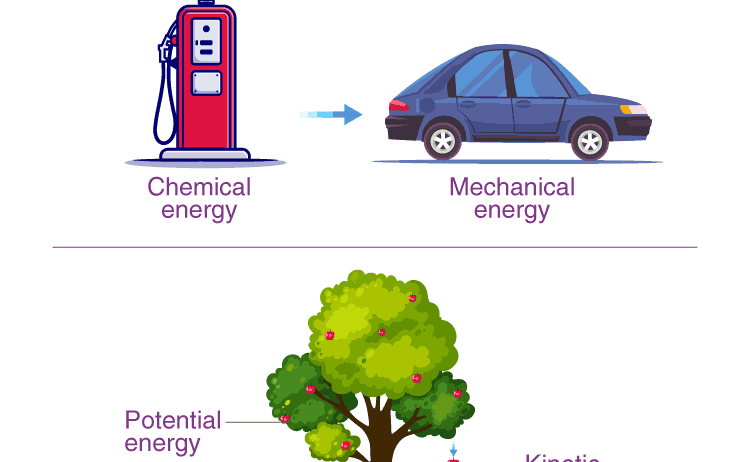
To begin with, understanding the Law of Conservation of Energy requires an exploration of what energy encompasses. Energy exists in various forms, such as kinetic energy (the energy of motion), potential energy (energy stored in an object), thermal energy (related to temperature), and chemical energy (stored in chemical bonds). One of the vital aspects of this law is that while the forms of energy may change, the total energy in an isolated system remains constant. This is often encapsulated in the equation: E_initial = E_final, where the total initial energy equals the total final energy.
Moreover, the implications of the conservation of energy are vividly illustrated through everyday phenomena. When a roller coaster ascends to a peak, it accumulates potential energy. As it plummets, this stored energy converts into kinetic energy, reaching its apex just before the descent. This transformation is a clear demonstration of energy’s fluidity, underscoring how energy transitions between forms while the overall amount remains unchanged.
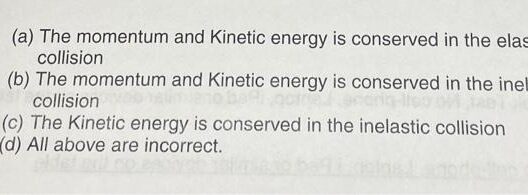
In physics, the concept of energy conservation is essential for understanding mechanics. Newtonian physics utilizes the law to explain motion and interactions of objects. For instance, during a collision between two bodies, the total kinetic energy before the collision is equivalent to the total kinetic energy after the impact, taking into account sound and heat energy produced. However, it is important to note that in real-world situations, some energy dissipates in non-recoverable forms, prompting discussions about efficiency and energy loss.
Transitioning to the realm of thermodynamics, the conservation of energy principle plays a pivotal role in understanding heat exchange and work. The First Law of Thermodynamics states that the change in the internal energy of a system is equal to the heat added to the system minus the work done by the system. This perfectly exemplifies how energy is not merely conserved but is intricately involved in transfers and transformations, thus shaping the dynamics of systems.
Moving beyond traditional contexts, the Law of Conservation of Energy also has significant implications for environmental science, particularly concerning climate change. The planet’s energy balance, which involves the absorption of solar radiation and its re-radiation as heat, informs our understanding of greenhouse gas emissions and global warming. When humans burn fossil fuels, the chemical energy stored in these fuels is converted into kinetic energy, heat, and light. However, this process discharges additional carbon dioxide into the atmosphere, altering the energy balance of the Earth and exacerbating climate change.
This interplay between energy transformations and environmental sustainability becomes increasingly critical as society seeks to minimize its ecological footprint. Renewable energy sources, such as solar, wind, and hydroelectric power, embody the principles of energy conservation. They harness natural processes that convert solar and kinetic energy into usable forms, thus contributing to a more sustainable energy future and mitigating the impacts of climate change.
In addition to practical applications, the Law of Conservation of Energy also holds philosophical significance. It challenges the anthropocentric perspective of energy generation and consumption. By recognizing the interconnectedness of all energy forms and their finite nature, we can cultivate a more holistic approach to resource management. This consciousness fosters an urgency to innovate and adopt sustainable practices in our daily lives, from energy-efficient appliances to lifestyle changes aimed at reducing carbon footprints.
Educationally, explaining the Law of Conservation of Energy offers a multi-faceted opportunity for engagement. Although it can be presented through didactic methodologies, interactive demonstrations yield impactful results. Utilizing models, such as pendulums or oscillating springs, allows students to visualize energy transitions in real time. Additionally, incorporating real-world scenarios—like energy consumption in households—can elevate comprehension by contextualizing theoretical knowledge within tangible experiences.
In sum, the Law of Conservation of Energy serves as a pivotal concept that intersects various domains of science, from physics to environmental studies. Its universality highlights the underlying principles that govern energy dynamics and the broader implications for societal practices. As the urgency surrounding climate change escalates, this principle not only enriches our understanding of physical phenomena but also inspires a collective responsibility towards sustainable energy use and environmental stewardship.
Ultimately, understanding the conservation of energy is integral for navigating the complexities of the modern world. It beckons a proactive approach to energy management that weighs ecological impact against human consumption. As we engage in discussions about future advancements and technologies, the very foundation of energy understanding will drive our quest for a sustainable future.