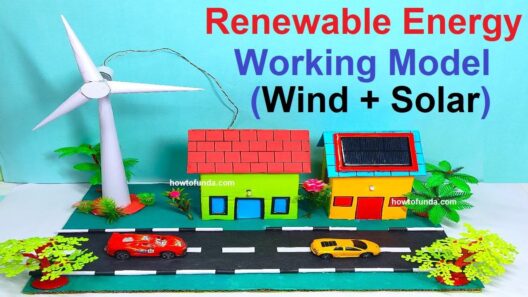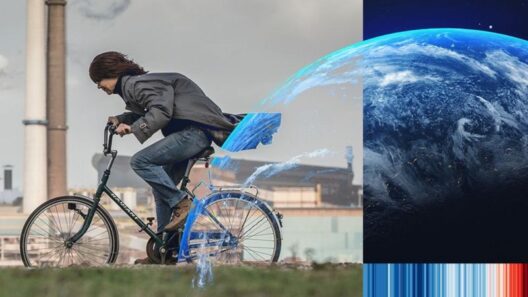

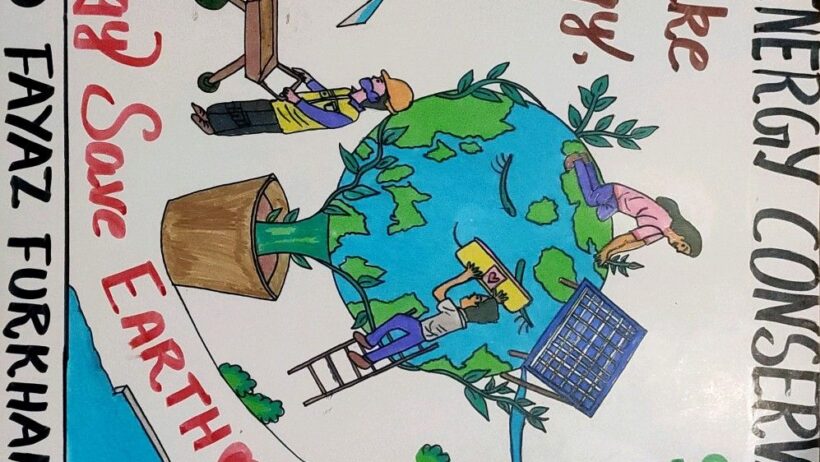

In an era increasingly defined by the specter of climate change, energy conservation emerges as a linchpin in the quest for sustainability. Have you ever pondered why it is essential to address energy consumption? Imagine a world where every flick of a switch, every trip of a car, and every drop of water utilized was consciously considered. In this guide, we will delve into the intricate process of crafting a project focused on energy conservation, a task brimming with both responsibility and creativity.
Step 1: Defining Your Objective
The first step in creating your project is to articulate your objective clearly. Are you aiming to raise awareness among peers about energy wasteful habits, or perhaps you seek to present innovative methods to reduce energy consumption at home or in school? Narrowing down your focus will streamline your project and allow you to delve deeper into a specific facet of energy conservation. Think of it as laying the foundation for a sturdy building.
Step 2: Conducting Research
No solid project can stand without thorough research. Begin by exploring various sources of information such as books, reputable websites, and academic journals. Delve into the history of energy consumption, the types of energy available, and their environmental impacts. Investigate statistics on energy usage and look for case studies showcasing successful energy conservation initiatives. This research will not only bolster your understanding but will also provide you with the ammunition necessary to support your arguments.
Step 3: Formulating a Hypothesis
Upon gathering sufficient information, it’s time to formulate a hypothesis. This statement will serve as a guiding star for your project. For example, you might assert that implementing basic energy-saving techniques—such as using LED bulbs and optimizing heating systems—can lead to a significant reduction in household energy consumption. This hypothesis will frame the direction of your project and will be pivotal for your concluding arguments.
Step 4: Planning the Project Structure
Your project should have a clear structure. Consider dividing it into the following sections: Introduction, Research Findings, Proposed Solutions, and Conclusion. Each section should transition smoothly into the next, maintaining logical coherence. Craft an outline that encapsulates each section’s main points, ensuring a fluid progression of ideas. A well-thought-out structure not only reflects professionalism but also aids in retaining the audience’s interest.
Step 5: Developing Your Content
Now comes the creative aspect: developing the content. Start with an engaging introduction that poses a playful question to stimulate interest—perhaps, “What if we could all save energy just by changing a few simple habits?” Next, present your research findings, enveloping statistical evidence within compelling narratives. Explore various energy conservation measures, and don’t shy away from advocating for systemic changes—like governmental policies encouraging renewable energy adoption. Also, emphasize individual responsibility, showcasing how small, daily actions can cumulate into substantial conservation efforts.
Step 6: Creating Visual Aids
Utilizing visual aids significantly enhances the clarity and appeal of your project. Consider incorporating charts, graphs, and infographics that visually represent data regarding energy consumption and conservation strategies. Illustrations and images facilitate a quicker comprehension of complex information and make your project more engaging. Remember, a picture is worth a thousand words, especially when it comes to solidifying understanding.
Step 7: Proposing Solutions
With a firm grasp on current challenges, it’s time to proffer actionable solutions. Propose a myriad of energy-saving techniques, such as the adoption of energy-efficient appliances, implementation of smart technology for thermostatic control, and encouraging public transportation to reduce reliance on fossil fuels. Community initiatives, such as energy audits and local conservation workshops, can galvanize group efforts towards energy sustainability. Empower others to participate in decision-making about energy use in their own lives, fostering a sense of communal responsibility.
Step 8: Crafting a Conclusion
Your conclusion should encapsulate the essence of your project, reiterating the significance of energy conservation. Return to your initial hypothesis and evaluate whether your findings support it. Moreover, inspire your audience with a call to action. Encourage them to embark on their own energy conservation journeys and highlight the potential of collective action in combating climate change. A well-crafted conclusion leaves a lasting impression and reinforces the purpose behind your project.
Step 9: Preparing for Presentation
Lastly, if your project culminates in a presentation, practice meticulously. Ensure your delivery is clear and confident. Anticipate potential questions and be prepared with informed responses. Engage your audience with enthusiasm and passion, as these traits are infectious and can motivate others to consider the importance of energy conservation.
By adhering to these steps, students can make a meaningful impact on energy conservation efforts within their communities. The challenge lies not only in the awareness of energy misuse but in advocating for practical solutions. Embracing energy conservation not only benefits the environment—it also fosters a culture of sustainability critical for future generations. So, will you take on the challenge of spreading the message of energy conservation? The world awaits your initiative.