


When embarking on a journey, especially to diverse climates, the significance of packing judiciously cannot be overstated. The weather can fluctuate dramatically across regions, and understanding how to adapt to these variances is crucial not just for comfort but also for ensuring a trespass-free exploration of any destination. This guide provides a comprehensive approach to packing efficiently for various climates and weather zones, emphasizing essential items as well as strategic organization.
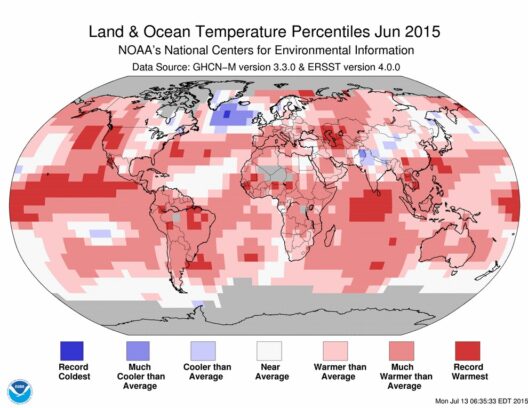
First and foremost, before delving into the nuances of packing, it is imperative to understand the different climate zones. Climates generally fall into several categories: tropical, dry, temperate, continental, and polar. Each zone possesses its unique characteristics, impacting temperature, humidity, and precipitation levels. Knowing what to expect from these environments allows for targeted selections that will enhance your experience while minimizing discomfort.
For tropical climates, characterized by high humidity and warm temperatures year-round, lightweight materials are paramount. Fabrics such as cotton and linen are ideal as they allow breathability and moisture-wicking properties. Key packing items include:
- Lightweight Clothing: Pack loose-fitting garments such as shorts, tank tops, and sundresses.
- Sun Protection: A wide-brimmed hat and sunglasses are minimum essentials. Don’t underestimate the value of a high-SPF sunscreen for skin protection.
- Water-resistant Footwear: Sandals or water shoes are indispensable, especially if your adventures lead you to beaches or waterfalls.
- Light Rain Gear: A compact poncho or foldable rain jacket will come in handy during sudden downpours.
Transitioning to dry climates, often seen in arid deserts, one must consider both extreme heat during the day and the chill that descends at night. Packing for this scenario necessitates a different tactical approach:
- Layering Essentials: Include long-sleeve shirts, lightweight sweaters, and jackets to combat fluctuating temperatures.
- Hydration Gear: A reusable water bottle is essential. Staying hydrated in dry heat is critical to health.
- Protective Accessories: Durable hats and UV-protective clothing can shield against harsh sun exposure.
- Comfortable Footwear: Sturdy hiking boots that can handle rocky terrains are recommended.
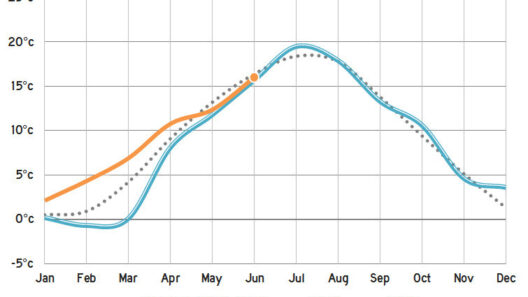
When venturing into temperate climates, where conditions vary significantly with the seasons, versatility becomes your ally. Temperate regions can experience four distinct seasons—spring, summer, autumn, and winter—each requiring differing attire:
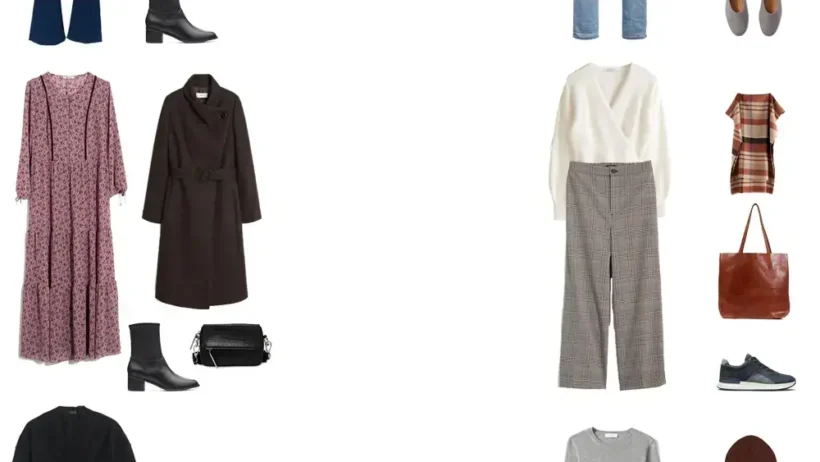
- Transitional Layers: This might include T-shirts, cardigans, and light jackets that can be layered or stripped off as temperatures change.
- Accessories for Variety: A selection of scarves and beanies can add warmth during sudden temperature drops.
- Footwear Adaptations: Shoes should be chosen based on expected activities, from hiking boots to smart casual for city exploration.
Next, in continental climates, expect extreme seasonal shifts. Those traveling to these regions need to be particularly astute about packing. Winters can be brutally frigid while summers may scorch:
- Insulated Outerwear: A high-quality winter coat, ideally windproof and waterproof, is vital for surviving cold spells.
- Thermal Layering: Long underwear and thermal socks can help retain body heat during icy outings.
- Summer Summons: In contrast, lightweight, breathable outfits will be necessary for peak summer heat, with moisture-wicking undergarments as a bonus.
Lastly, when traversing polar climates, the approach to packing is markedly different and demands meticulous planning. The extreme cold can be unforgiving:
- Insulated Clothing: Every piece counts. Base layers should comprise thermal long underwear, with insulation and windproof outer layers following.
- Footwear Considerations: Insulated, waterproof boots with good traction are crucial for traversing icy surfaces.
- Accessories to Mitigate Exposure: Balaclavas, mittens, and insulated hats are essential, as exposed skin can quickly succumb to frostbite.
Ultimately, the art of packing smartly for various climates and weather zones hinges on anticipating conditions, understanding the terrain, and being prepared for unpredictability. Organizing your luggage in a way that allows easy access to essentials will enhance travel efficiency. Utilize packing cubes or compression bags to categorize clothing by type and climate applicability.
Additionally, regard the impact of your packing choices on the environment. Opting for sustainable materials and minimizing single-use plastics are practical steps that contribute to reduced carbon footprints while traveling. For instance, using refillable toiletries and checking for eco-friendly gear can complement your conscious effort against climate change.
In summary, packing intelligently for diverse climates involves a blend of strategic foresight and adaptability. Addressing the distinct requirements of each climate zone, selecting appropriate clothing, gear, and essentials will not only enhance your comfort but also enrich your travel experience. Invest time in preparation, and the rewards of an adventurous, seamless journey await.