


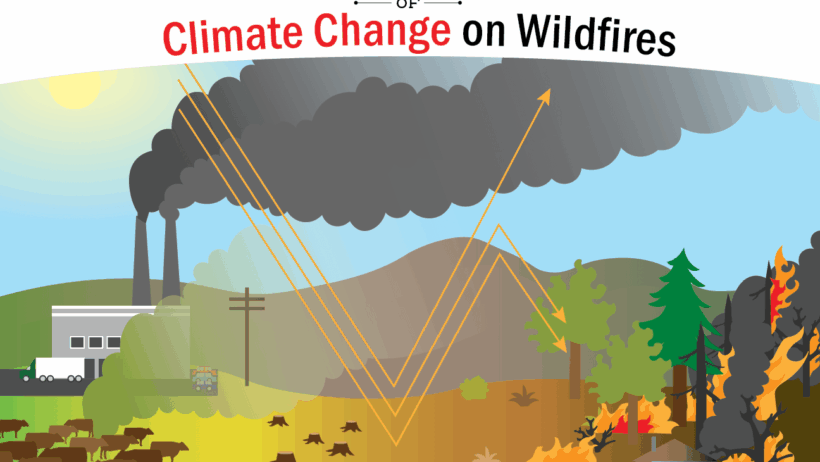

Wildfires have always played a significant role in shaping ecosystems across the globe, but as climate change exacerbates their frequency and intensity, the stakes are alarmingly higher. The need for effective wildfire prevention strategies is more pressing than ever, given the devastating impacts wildfires have on the environment, human health, and local economies. The interplay between climate change and wildfires is complex, and unraveling it offers insights into how we might mitigate the risks associated with these ferocious events.
To grasp the urgency of wildfire prevention in our contemporary climate scenario, one must consider the multifaceted nature of fires themselves. Wildfires thrive under specific environmental conditions: dry vegetation, high temperatures, strong winds, and prolonged droughts. Unfortunately, climate change is amplifying these conditions. As global temperatures rise, regions that were once moderately moist are becoming increasingly arid, providing the perfect tinder for wildfires to ignite. Moreover, climate change influences precipitation patterns and can lead to quicker and more intense snowmelt, further drying out the landscape and igniting fire risks.
Effective wildfire prevention strategies begin with community engagement. Local awareness programs can educate residents about the dangers of fire hazards, and community members can collaborate on strategies to minimize risks. Creating defensible spaces around homes by clearing flammable vegetation can significantly reduce the likelihood of a home succumbing to flames. Simple practices, like trimming trees, removing dead leaves, and using fire-resistant materials during home construction or renovation, create buffers that can save homes and lives.
Strategically managed grazing can also play a crucial role. Livestock can be utilized to graze down underbrush and grass that would otherwise accumulate into dense fuel loads. By controlling this vegetation, communities can effectively lower the risk of uncontrollable wildfires. Controlled burns, conducted under specific weather conditions and supervised by experts, are another critical strategy for managing underbrush. These planned fires allow land managers to reduce fuel and mimic the natural fire cycles that forests evolved to withstand.
Moreover, improving fire management practices is essential. Agencies like the Forest Service need to invest in advanced detection technology, such as satellite systems and drones that can spot fires early, potentially stopping them before they grow uncontrollable. Implementing more effective fire response protocols, including rapid deployment of firefighting resources, can also mean the difference between a contained fire and a catastrophic blaze. Substantial funding in these areas is crucial for increasing the effectiveness of wildfire management strategies.
Another effective preventive measure involves leveraging technology and science to identify areas at higher risk for wildfires. Utilizing machine learning and predictive analytics can help determine how climate-related data will affect fire behavior in specific regions. This can facilitate proactive measures rather than reactive responses. The integration of this data with urban planning can steer developments away from high-risk areas, reducing the potential for disaster.
Climate-appropriate landscaping can be an effective way to prevent wildfires as well. Garden architecture that uses native, drought-resistant plants can create a sustainable and fire-resistant space. Bonding the knowledge of traditional land stewardship with modern landscaping techniques offers voids for personal agency while addressing climate change. These environments can adapt to and mitigate the intensifying conditions brought about by warming climates.
Furthermore, the role government policy plays cannot be overstated. Stronger regulations regarding land management and urban planning must be enacted at a national level. Every jurisdiction should adhere to building codes that prioritize fire safety, particularly in regions susceptible to wildfires. Government incentives for homeowners to engage in fire prevention measures can also prove invaluable. Financial assistance could motivate residents to finance needed renovations that deter fire risks, which in turn protects entire communities.
Ongoing research into the relationship between changing climates and wildfire behavior is another crucial element of comprehensive prevention strategies. Investments in research can lead to innovative techniques for managing rapidly changing ecosystems and adapting to more extreme fire conditions. Understanding species’ growth patterns, soil moisture content, and historical fire regimes can help prevent loss of human life and property when managing controlled burns or fostering resilient landscapes.
In addition to localized community efforts and technological advancements, widespread collaboration on a global scale is essential. International treaties focused on environmental protection can significantly influence how nations share knowledge and resources to combat the effects of climate change on wildfires. Exploring transnational strategies to share findings can enhance national policies on wildfire management and engender a collective response to a phenomenon that respects no borders.
Ultimately, facilitating education, implementing advanced forestry management, enhancing technology, and establishing robust policy frameworks can significantly curtail the frequency of wildfires exacerbated by climate change. It’s a collective responsibility, and communities must develop a comprehensive understanding of fire ecology while reinforcing resilience. Wildfires cannot be avoided entirely, but with deliberate and informed actions, it is indeed possible to mitigate their impacts and ensure a safer world for future generations.