

Climate change is akin to a relentless sculptor, meticulously chiseling away at the landscape of global agriculture. As temperatures rise and weather patterns shift unpredictably, the agricultural tableau is undergoing an inexorable transformation, one that threatens food security, alters ecosystems, and challenges the resilience of farmers worldwide. Understanding how climate change will reshape global agriculture is paramount to grasp the intricate interplay between our planet’s health and humanity’s sustenance.
Initially, one must recognize the foundational elements of agriculture: soil, water, and climate. These components are interwoven, each influencing the other. Climate change, characterized by rising CO2 levels, shifting precipitation patterns, and increasing temperatures, serves as a catalyst that impacts each of these elements. This newfound reality presents formidable challenges and paradoxical opportunities within the agricultural sector.
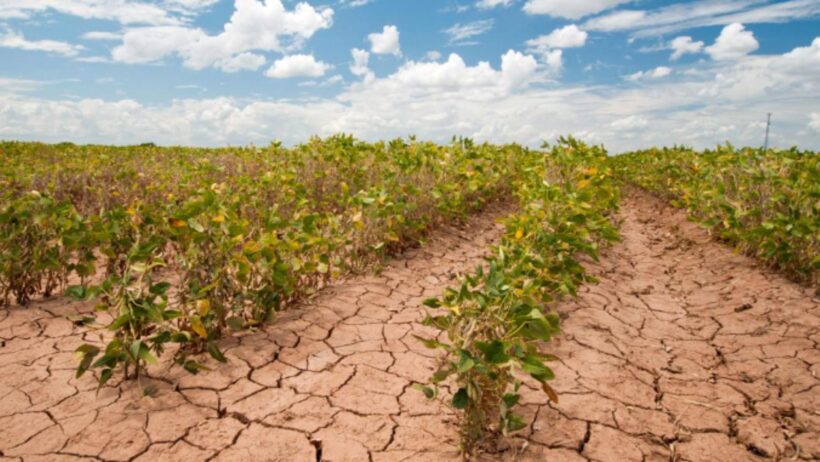
Firstly, consider the symbiotic relationship between temperature and crop yields. Temperatures across the globe are predicted to increase by 1.5 to 2 degrees Celsius by mid-century. Most staple crops, such as wheat, maize, and rice, have optimal growth temperatures beyond which yields plummet. This phenomenon can be likened to a game of musical chairs: as the music — or climate conditions — changes, crops find themselves without a seat. For instance, in regions that are becoming increasingly arid, traditional crops may yield diminished harvests, while previously inhospitable areas may become marginally suitable for cultivation. This dichotomy creates a dramatic landscape where adaptability is the keyword, and success hinges on the ability to pivot.
Water availability is another crucial dimension of agricultural viability. The shifting climate often precipitates phantasmagorical extremes — torrential rains that lead to flooding juxtaposed against parched droughts that render land fallow. This hydrological unpredictability makes the cultivation of crops akin to balancing on a tightrope. Regions like Sub-Saharan Africa, which are already vulnerable, may see agricultural productivity decline by up to 50% by 2050 if current trends persist. Conversely, temperate regions may experience a temporary boon, yet the long-term implications remain uncertain. Farmers will need to adopt innovative water management practices such as rainwater harvesting and drip irrigation to navigate these increasingly capricious waters.
Moreover, the interplay of pests and diseases is destined for upheaval in this new climate paradigm. Many agricultural pests thrive in warmer conditions, and as they expand their range, the very fabric of ecosystems will unravel. This scenario can be viewed as an ecological Trojan horse; just when it seems agriculture can adapt to new growing conditions, an influx of pests may wreak havoc. Crop rotation, integrated pest management, and genetically modified organisms (GMOs) designed for resilience will be critical strategies farmers must utilize to mitigate these risks.
Climate change does not solely target crops. Livestock farming is equally vulnerable and poised for transformation. Heat stress can lead to decreased fertility and milk production, while changing forage availability may force farmers to reconsider livestock breeds. Traditional breeds may falter under the new climatic stressors, insisting on a pivot to more resilient breeds. This shift not only impacts farm productivity but may also catalyze ethical debates regarding animal welfare and environmental stewardship.
Amidst these looming challenges lies a fertile ground for innovation and adaptation. Agroforestry, regenerative agriculture, and vertical farming represent burgeoning alternatives that challenge conventional agricultural paradigms. Agroforestry, for instance, intertwines trees and shrubs with crops, enhancing biodiversity and improving soil health while sequestering carbon. It encapsulates the essence of symbiosis — both plants and farmers flourish together in harmony. Regenerative agriculture builds upon this by emphasizing soil health, reverses biodiversity loss, and re-establishes the intricate web of life beneath the surface. Meanwhile, vertical farming, propelled by the digital age, offers a novel approach that leverages technology to conserve space and optimize resource use, crafting a sustainable agriculture model that thrives within urban landscapes.
Collaboration will also play an instrumental role in shaping the agricultural future. Farmers, scientists, policymakers, and consumers must unite to forge sustainable agricultural practices collaboratively. Open dialogue will pave the way for sharing knowledge, technologies, and resources. Moreover, government policies that incentivize sustainable practices and penalize environmentally detrimental activities could be transformative, guiding agriculture toward a more sustainable trajectory.
A key aspect of this transformation is education. Farmers must be equipped with the knowledge and resources to navigate the turbulent waters of climate change. Agricultural extension services should evolve into indispensable allies that provide the tools, technologies, and training necessary for farmers to adapt. Just as a knight undergoes rigorous training before venturing into battle, farmers too need preparation to face the formidable climate challenges ahead.
Lastly, it is vital to recognize the interconnectedness of global agriculture with social and economic systems. Food security is tied to poverty reduction, health, and equitable access to resources. As climate change exacerbates existing inequalities, it becomes imperative to craft policies that ensure equitable access to agricultural resources and support marginalized communities disproportionately affected by climate shocks.
In conclusion, climate change stands as a formidable force, reshaping the very foundation of global agriculture. Through adaptation, innovation, and collective action, we have the potential to cultivate resilience amidst uncertainty. The path ahead may be fraught with challenges, yet it is through these very adversities that the agricultural sector can evolve, morphing into a tapestry of sustainable practices that nourish both people and the planet. The responsibility now lies with humanity — to heed the warnings of nature and to forge a future where agriculture not only endures but flourishes against the backdrop of a changing climate.