

As the 21st century unfolds, humanity finds itself at a decisive crossroads. At the heart of this conundrum lies the omnipresent specter of climate change, a phenomenon primarily fueled by greenhouse gases. These gases, essential for creating a habitable atmosphere, have become the portentous harbinger of grave consequences for our planet. The question now looms heavily: are humans, through their inexorable reliance on fossil fuels and unsustainable practices, digging their own climate grave?
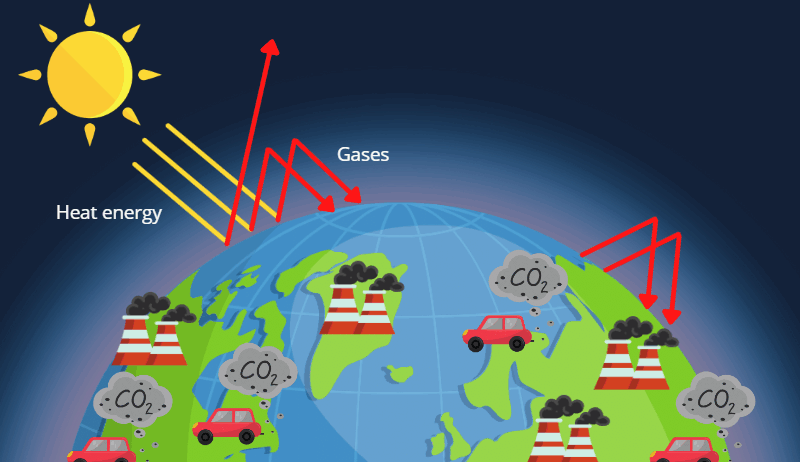
To understand the paradox inherent in greenhouse gases, one must first acknowledge their role in the Earth’s climate system. Greenhouse gases, such as carbon dioxide (CO2), methane (CH4), and nitrous oxide (N2O), trap heat in the atmosphere, creating a ‘greenhouse effect’ that keeps our planet warm enough to sustain life. However, industrialization, deforestation, and rampant agricultural practices have amplified these emissions to alarming levels, precipitating a rapid change in global temperatures that was once thought to occur over millennia. Instead, it is unfolding before our eyes within a few decades.
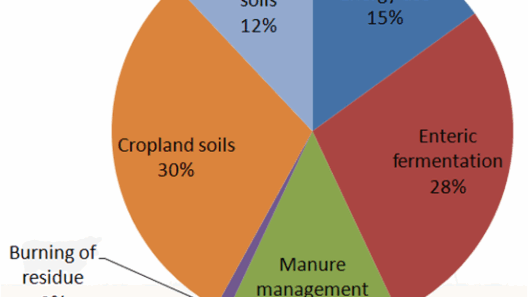
The principal offender, carbon dioxide, surges primarily from burning fossil fuels for energy in transportation, electricity generation, and industrial processes. The stark rise in CO2 concentration from around 280 parts per million before the industrial era to over 400 parts per million today paints a dire picture of human impact on the environment. Meanwhile, methane, a gas with a potency over twenty times that of CO2 in the short term, emanates from agricultural practices, landfills, and natural gas production. Its increase in the atmosphere emphasizes the urgent need to reassess and mitigate our practices that contribute to this volatile cocktail of emissions.
As we delve deeper into this issue, it becomes increasingly apparent that the nexus of human activity and greenhouse gas emissions is not merely a scientific concern—it is a moral one. Future generations will inherit the consequences of today’s actions, leading to ethical dilemmas rooted in intergenerational justice. Should we disregard the climate issues at hand, we risk rendering our planet inhospitable for those who will come after us. Consequently, the notion of responsibility towards our environment becomes paramount.
Climate change manifests through increasingly erratic weather patterns, rising sea levels, and intensifying natural disasters, which disproportionately affect vulnerable communities across the globe. Low-lying islands face existential threats from obliterating storm surges, while arid regions grapple with debilitating droughts. This inequitable impact on marginalized communities underscores the urgent need for a global perspective on an issue that transcends borders and ideologies. The climate crisis fosters a need for solidarity and collective action beyond the simple scope of national interests.
In examining potential solutions, a paradigm shift is essential. Acknowledging the intricacies of greenhouse gas emissions fosters an understanding that mere technological fixes will not suffice. Transitioning to renewable energy sources such as solar, wind, and geothermal power must be accelerated, yet it requires a simultaneous transformation in our societal values and economic structures. This shift mandates embracing sustainability as a guiding principle, recognizing that our current trajectory is neither economically nor environmentally viable. Circular economies, emphasizing resource efficiency and waste reduction, evoke a potent vision for a sustainable future.
Moreover, innovative practices in agriculture, such as agroecology and regenerative farming, imbue the soil with carbon, striking a dual chord of mitigating greenhouse gas emissions while enhancing food security. The reforestation and afforestation offer another viable solution, with trees acting as carbon sinks. These natural ecosystems not only absorb CO2 but also provide biodiversity habitats and bolster resilience against weather extremes. However, these initiatives demand not only the will of individuals but necessitate large-scale policy changes implemented by governments and corporations alike.
Interestingly, behavioral change within communities also emerges as a linchpin in combating climate change. Education plays a pivotal role in fostering environmental awareness, promoting sustainability practices in consumer behavior, and empowering grassroots initiatives. Every small step taken by individuals—whether reducing meat consumption, minimizing single-use plastics, or supporting local produce—can forge a path toward a collective impact. When communities coalesce around these values, they can invoke real change that resonates from the local level to the global stage.
The dialogue surrounding greenhouse gases must also prioritize equity and inclusivity. Environmental justice movements remind us that those least responsible for emissions often suffer the most. By advocating for policies that prioritize marginalized groups, society can build resilience and empower all individuals to contribute to the collective fight against climate change. The challenge thus shifts not only to reducing emissions but ensuring the transition to a low-carbon economy is equitable and just.
In conclusion, as we reflect on the interplay between humans and greenhouse gases, the question remains: are we complicit in sealing our fate? The statistics paint a grim picture if current trajectories continue. However, there exists a glimmer of hope in the realm of human ingenuity and cooperation. The choice is clear: a path fraught with catastrophic consequences, or a transformative journey towards sustainability and rejuvenation. The responsibility lies with us—the decisions we make today will echo through time, crafting either a narrative of resilience or one of regret. In this critical juncture, embracing a shift in perspective and a fervent commitment to collective action is imperative if we are to mitigate the impending climate crisis. Our future hinges on our resolve. Will we answer the call?