

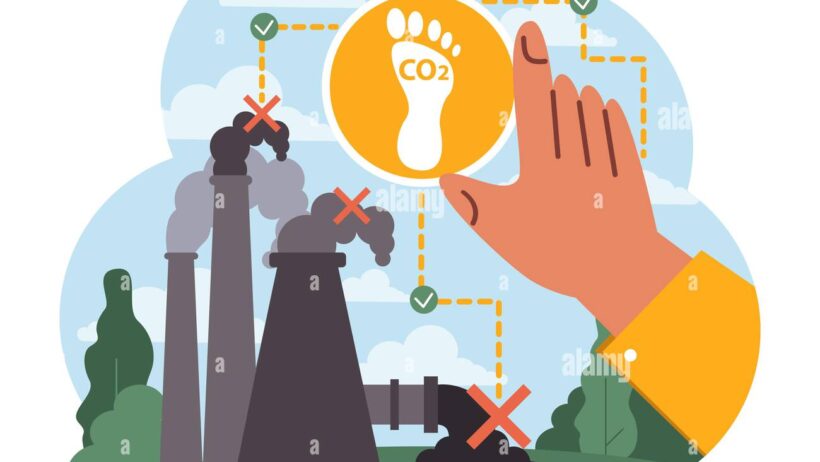

Indonesia, a sprawling archipelago with diverse ecosystems and a rapidly growing industrial sector, is at a critical juncture in the battle against climate change. As the world’s fourth most populous nation, it is essential to scrutinize the environmental impacts of its industries and the resultant pollution. So, what happens when economic growth collides with ecological health? The challenge is formidable: how can Indonesia manage industrial expansion while simultaneously addressing its carbon footprint?
Indonesia’s economy has seen significant growth over the past few decades, largely attributed to its industrial sectors, including manufacturing, mining, and agriculture. This economic transformation, however, has not been without repercussions. Air quality has declined, water bodies have become polluted, and the lush forests that once dominated the landscape are being decimated. These changes are not merely anecdotal; they manifest starkly in health reports, showing increased respiratory illnesses and other pollution-related diseases among the populace.
At the crux of this dilemma lies Indonesia’s heavy reliance on fossil fuels, particularly coal, for energy. The country is one of the largest coal producers globally, and while this has facilitated economic development, it has also contributed significantly to greenhouse gas emissions. The grim reality is that while industries prosper, the environment suffers—a classic case of short-term gain overshadowing long-term sustainability.
Recognizing the detrimental effects of its industrial practices, Indonesia has embarked on several initiatives aimed at reducing pollution and promoting cleaner production methods. The government has established regulations, such as the National Action Plan for Reducing Greenhouse Gas Emissions, which envisions a decrease in carbon emissions by 29% by 2030, with international assistance potentially raising this goal to 41%.
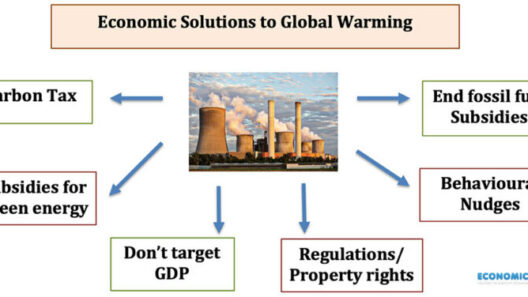
One of the most prominent strategies under consideration is transitioning towards renewable energy sources. Solar, wind, and hydroelectric power present viable alternatives to fossil fuels. Moving away from coal not only curbs emissions but also reduces dependence on a volatile global market. For a nation blessed with abundant natural resources, this could pave the way for a more sustainable economic model.
Yet, the transition is fraught with complexity. The challenge remains: how can Indonesia invest in the clean technologies needed while still supporting its economic base? Will investing in renewables stymie industrial growth, or could it invigorate the economy? Addressing these questions requires thoughtful policymaking and collaboration between government, industry, and civil society.
Investing in innovation is another critical aspect. Research and development in pollution control technologies could provide the means to minimize the industrial footprint without sacrificing productivity. Methods such as carbon capture and storage (CCS) and scrubber technologies have shown promise in mitigating emissions from industrial processes. Moreover, adopting a circular economy approach could lead to reduced waste and lower emissions by encouraging the reuse of materials.
Corporate responsibility must also play an integral role in this transformation. Industries can no longer sidestep their responsibilities toward the environment. Initiating green manufacturing processes and setting ambitious sustainability goals should become the norm. Businesses that adopt sustainable practices not only comply with regulations but can also capitalize on a growing market trend favoring eco-conscious consumers.
Public awareness and engagement are equally crucial. Fostering a culture of environmental stewardship among the citizenry can galvanize support for sustainable practices. Educational campaigns emphasizing the importance of reducing pollution can inspire grassroots movements and create a demand for cleaner products. After all, when consumers voice their preferences for sustainable options, industries are more likely to respond.
Moreover, Indonesia has a rich tradition of community-led conservation efforts that can serve as models for larger initiatives. Engaging local populations in decision-making processes ensures that policies not only address national concerns but also resonate on a grassroots level. This participatory approach can lead to tailored solutions that are culturally appropriate and effective in reducing industrial pollution.
On the international front, cooperation with global partners can provide both technical expertise and financial support. Indonesia stands to benefit from global climate agreements and partnerships aimed at fostering sustainable development. By aligning its national interests with global sustainability goals, the country can position itself as a leader in climate action within Southeast Asia.
The road to a cooler future for Indonesia is undoubtedly laden with obstacles. However, challenges can transform into opportunities. Balanced industrial growth that prioritizes environmental health is not only a possibility but a necessity. The question remains: will Indonesia rise to meet the challenge of mitigating its industrial footprint, or will it allow economic interests to overshadow the imperative for a sustainable future? The choice is paramount, and the consequences will reverberate beyond the nation’s borders.
In conclusion, Indonesia stands at a pivotal crossroads. The intertwining of industrial development and environmental preservation presents a unique challenge, but with concerted effort, innovative technologies, and a commitment to sustainability, the nation can chart a path towards a greener, healthier future. The time to act is now; only through collective action can we hope to reverse the tide of pollution and combat climate change effectively.