


Indonesia, an archipelagic nation composed of over 17,000 islands, is undergoing a significant demographic transformation. With a population exceeding 270 million, it ranks as the fourth most populous country in the world. This rapid population growth, while indicative of robust reproductive rates and improved mortality rates, raises pressing concerns regarding the sustainability of its environment and natural resources. The phenomenon invites scrutiny of not just the numerical expansion of inhabitants, but also the complex interplay of socio-economic factors, cultural dynamics, and climate challenges.
The burgeoning population is emblematic of Indonesia’s youthful demographic, characterized by a relatively high proportion of individuals in their reproductive years. This demographic dividend presents opportunities; however, it simultaneously strains the nation’s infrastructure, healthcare systems, and educational institutions. As the government grapples with these challenges, the underlying environmental implications are increasingly difficult to ignore. Urbanization accompanies population growth, manifesting in sprawling cities that encroach upon vital ecosystems, threatening biodiversity and engendering pollution.
In cities like Jakarta, the most populous capital city in Southeast Asia, the effects of rapid urbanization are palpable. The city is beset with perennial traffic congestion, insufficient public transportation facilities, and alarming rates of air pollution. As the urban populace expands, so too does the demand for housing, leading to the degradation of local landscapes. Wetlands and forests, which serve as crucial buffers against flooding and habitat for myriad species, are being sacrificed at an alarming rate. This scenario transfers directly into climate resilience issues, as mangroves and peatlands critical for carbon storage disappear.
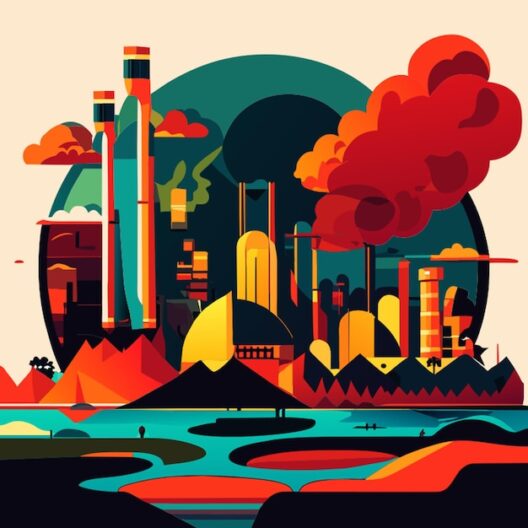
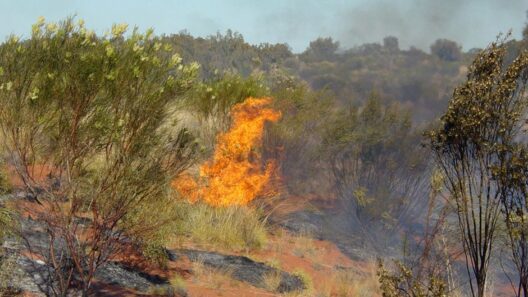
Indonesia is also grappling with the paradox of affluence juxtaposed against pervasive poverty. Although urban centers burgeon, substantial segments of the rural population remain impoverished. This socio-economic divide influences environmental practices and consumption patterns. The demand for land to cultivate both traditional crops and cash crops has prompted a surge in deforestation, further exacerbating greenhouse gas emissions. The ritualistic burning of forests for palm oil plantations is a fiscal boon for corporations but a harbinger of climate catastrophe, contributing to regional haze and adverse health outcomes for local communities.
Indonesia’s role in global climate challenges cannot be overstated. As a significant carbon emitter, driven largely by land-use change and deforestation, the nation accounts for a considerable percentage of global emissions. Efforts to mitigate this impact have been marred by competing political interests and economic incentives that favor immediate profits over long-term sustainability. The government has made international commitments to reduce emissions, but these promises often falter due to lack of enforcement and accountability.
Moreover, climate change is wreaking havoc on Indonesia’s vast array of ecosystems. Rising sea levels threaten coastal areas, exacerbating the vulnerability of low-lying regions. The islands of Sumatra and Java grapple with increasingly intense and erratic weather patterns, including prolonged droughts and escalating rainfall, leading to devastating floods. These climatic shifts not only endanger natural habitats but also place immense pressure on agricultural productivity, undermining food security for millions.
As the population burgeons, the ensuing demand for freshwater resources intensifies. Indonesia, despite being endowed with extensive water bodies, faces challenges in managing water quality and allocation. Pollution from agricultural runoff and industrial effluents compromises drinking water supplies, leading to public health crises. The quest for potable water necessitates innovative approaches to water management, including sustainable practices and investment in infrastructure that can accommodate the burgeoning populace.
Addressing these multifaceted challenges requires an integrated approach that harmonizes growth with ecological stewardship. Sustainable development initiatives that prioritize renewable energy sources, reforestation efforts, and community-driven conservation programs are essential. A paradigm shift is necessary; one that recognizes the inextricable link between a healthy population and a thriving environment. Education plays a critical role in this evolution, fostering a culture of environmental awareness and stewardship among the populace, particularly the youth.
The international community has a role in supporting Indonesia’s efforts to reconcile population growth with climate action. Collaborative initiatives that pool resources for technology transfer, sustainable agriculture practices, and climate-smart infrastructure can bolster national capacities. These partnerships could empower local communities, enabling them to become stewards of their environments, cultivating a sense of ownership essential for long-term sustainability.
Ultimately, Indonesia’s demographic landscape is a bellwether for the global nexus of population dynamics and climate change. As the nation navigates its growth trajectory, the significance of proactive measures cannot be overstated. The need for balanced policies that incorporate human and environmental considerations is paramount, ensuring that Indonesia can forge a sustainable path amid the inevitable pressures of its population boom. The intersection of human and ecological systems demands vigilance, creativity, and unyielding commitment to foster a future where growth harmonizes with environmental integrity.
In conclusion, Indonesia stands at a crossroads. Its burgeoning population represents both a challenge and an opportunity. The necessity for sustainable practices is more pressing than ever, requiring concerted efforts from all sectors of society. By embracing sustainability, Indonesia can pave the way for a resilient future, where growth does not come at the expense of its rich biodiversity and climate stability.