


Indonesia, an archipelago of over 17,000 islands, is blessed with vast natural resources, yet it faces a daunting challenge: water scarcity exacerbated by climate change. With the rapid onset of environmental shifts, the interplay of increasing temperatures, erratic rainfall patterns, and rising sea levels has led to a considerable deterioration of its freshwater systems. But amidst this daunting scenario, one can’t help but wonder: how will Indonesia continue to sustain its burgeoning population while adapting to these drastic climatic changes? Environmental adaptation isn’t just a necessity—it’s a race against time.
The complex dynamics of Indonesia’s water woes can be attributed to both natural phenomena and anthropogenic influences. The nation is particularly susceptible to the impacts of climate change. For instance, prolonged droughts have become more commonplace, severely affecting agricultural productivity and leading to food insecurity. Similarly, frequent flooding during rainy seasons has resulted in significant losses in infrastructure and livelihoods. A perception of water as an abundant resource is rapidly dissipating, replaced by an acute realization of its scarcity.
One of the most pressing issues is the reliance on a dwindling number of freshwater sources. Major rivers and lakes are being over-extracted for agriculture, domestic use, and industrial processes. This unsustainable consumption leads to depletion and degradation of vital water resources. Additionally, pollution from industrial waste and urban runoff further compromises water quality, rendering many freshwater bodies unsuitable for consumption. Thus, communities find themselves grappling with both quantity and quality issues—an exacerbated duality that heightens the urgency of the problem.
Among the most vulnerable areas, Jakarta stands out. The capital city is experiencing alarming land subsidence, with some areas sinking as much as 25 centimeters annually due to over-extraction of groundwater. Combine this with rising sea levels, and it’s evident that Jakarta faces an existential threat to its water supply. The government has embarked on several initiatives, including building a giant sea wall and developing a comprehensive water management plan. Yet, these efforts prompt a lingering question: will such measures suffice, or must we reimagine urban spaces altogether?
In response to this crisis, Indonesia has begun embracing innovative approaches to water management. One pivotal solution lies in the enhancement of rainwater harvesting techniques. By harnessing the monsoon rains, communities can reduce their dependency on groundwater and mitigate flooding risks. Furthermore, traditional agricultural practices that emphasize sustainable water management, such as permaculture and agroforestry, are gaining traction. These methods not only improve soil health but also bolster the resilience of local ecosystems.
Simultaneously, the promotion of decentralized water treatment systems is essential in addressing water quality issues. Localized efforts to treat wastewater can significantly reduce pollution loads entering water bodies. Furthermore, educational campaigns aimed at raising awareness about water conservation play a critical role in shifting public behaviors toward more sustainable practices. When combined, these approaches contribute to a comprehensive strategy for managing Indonesia’s water resources amid climatic shifts.
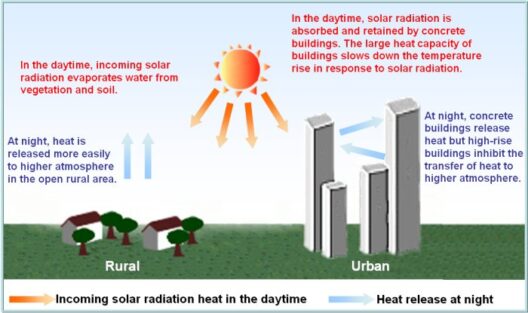
Despite these advancements, challenges remain. The disparity in access to water resources among urban and rural populations is stark. Urban centers may witness improvements due to government investments, while rural areas often lack the infrastructure needed to adapt. This inequity raises significant concerns about social justice, as marginalized communities bear the brunt of climate change impacts. Consequently, there is a pressing need for inclusive policies that ensure equitable access to water, fostering resilience across all demographics.
Moreover, the financing of water adaptation projects presents another hurdle. The high costs associated with infrastructure development and implementation of sustainable technologies can be prohibitive. It is incumbent upon both national and international stakeholders to facilitate investment in water management systems that prioritize climate resilience. Public-private partnerships could pave the way for innovative funding solutions, while international aid may assist in bolstering local capacities.
The overarching question remains: can Indonesia overcome these multifaceted water woes? The journey towards effective adaptation hinges on fostering collaboration at all levels. Local communities, governments, NGOs, and private businesses must unite to create solutions that address both immediate needs and long-term sustainability. Stakeholder engagement encourages the exchange of knowledge and resources, fostering a synergistic approach to water management.
Looking ahead, Indonesia’s steps toward adaptation must also consider the integration of technology. The use of data analytics and artificial intelligence can guide water management decisions, ensuring efficient allocation and minimizing waste. Furthermore, climate modeling can help anticipate future water availability scenarios, enabling proactive measures to be taken. Ultimately, harnessing technological advancements may provide a lifeline for Indonesian communities grappling with severe water shortages.
As the world watches Indonesia navigate its water challenges, it is important to recognize that these issues serve as a microcosm for global water woes brought about by climate change. The innovative solutions and adaptive practices developed here may well illuminate pathways for other nations facing similar crises. In this light, Indonesia’s battle against water scarcity can be a springboard for broader discussions on global water governance and sustainability.
In conclusion, addressing Indonesia’s water woes is an intricate challenge that demands a multifaceted approach. The solutions lie not only in infrastructure and technology but also in fostering collaboration and equity within communities. Given the severe threats posed by climate change, the urgency for action is palpable. The resilience of Indonesia’s ecosystems and populations hangs in the balance, illuminating the profound connection between water resources and human survival in the face of climate adversity.