

As the world grapples with the escalating consequences of climate change, the intricate relationship between industrial pollution and agricultural practices emerges as a pivotal focal point. This complex interplay not only exacerbates global warming but also threatens the delicate balance of our ecosystems and human health. Understanding how these two formidable forces contribute to climate change can illuminate our path toward sustainable solutions.
Industrial activities, particularly in fossil fuel extraction and combustion, stand as mammoth contributors to greenhouse gas emissions. The burning of coal, oil, and natural gas releases a vast array of pollutants into the atmosphere. Carbon dioxide (CO2) is the most notorious, accounting for a significant portion of global warming. However, this is just the surface of a much deeper problem. Other detrimental emissions, such as methane and nitrous oxide, arise from industrial processes and agricultural practices, with their heat-trapping capabilities being far more potent than CO2.
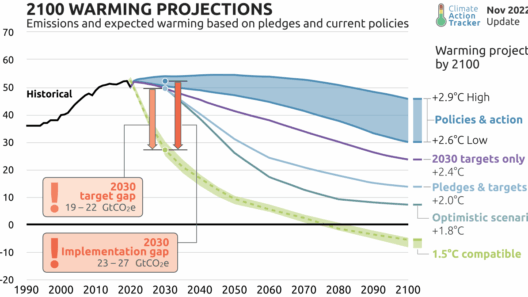
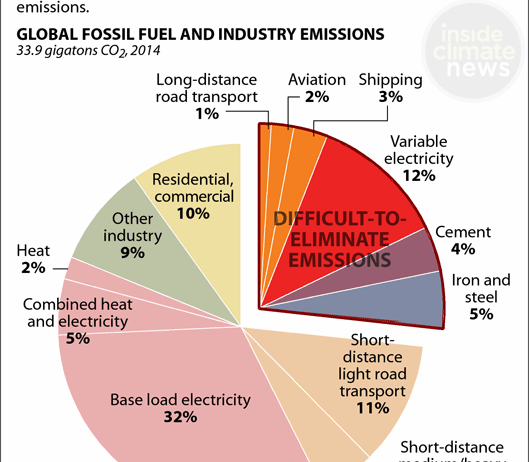
The phenomenon of the “industrial inferno” weaves through our economic fabric. Factories, power plants, and refineries operate under a relentless demand for energy and products, often prioritizing production over environmental stewardship. With fossil fuels comprising the backbone of industrial energy consumption, the carbon footprint of these ventures is staggering. In 2021 alone, industrial emissions were responsible for nearly one-quarter of total greenhouse gas emissions worldwide—a figure that underscores the urgency to rethink energy consumption patterns.
Yet, industrial pollution does not act in isolation. Agriculture, particularly the modern intensive farming practices, operates in tandem with industrial processes, creating a feedback loop that accelerates climate disruption. The reliance on chemical fertilizers and pesticides to maximize crop yields releases significant quantities of nitrous oxide into the atmosphere. This potent greenhouse gas, with a global warming potential more than 250 times that of CO2 over a century, amplifies the warming effect of our atmosphere.
Moreover, livestock farming emerges as another formidable adversary in this equation. The demand for meat products fosters practices that elevate methane emissions. Ruminants, such as cows and sheep, produce methane during digestion—a process known as enteric fermentation. The scale of livestock farming has increased substantially, leading to an explosion of these emissions. Recent studies show that livestock production is responsible for approximately 14.5% of human-induced greenhouse gas emissions. This stark reality necessitates a profound reevaluation of dietary practices and their environmental ramifications.
As we navigate the complexities of pollution and agriculture, it is essential to recognize the potential for transformative solutions. A burgeoning movement towards sustainable agriculture signals a shift in perspective—one that favors eco-friendly practices over environmentally detrimental habits. Regenerative agriculture, which encompasses techniques such as crop rotation, agroforestry, and organic farming, presents an opportunity to sequester carbon in the soil, mitigate pollution, and promote biodiversity.
Likewise, industrial sectors are beginning to adopt cleaner technologies to reduce emissions. The emergence of renewable energy sources, such as solar, wind, and hydroelectric power, offers a glimmer of hope. Transitioning to these alternative energy sources can substantially decrease our reliance on fossil fuels and lessen industrial pollution. Innovations such as carbon capture and storage (CCS) are also being explored, though they remain in developmental stages and are not yet widely implemented.
Nevertheless, the magnitude of change required can feel daunting. The intersection of industrial activity and agriculture complicates the path forward. Policies aimed at reducing greenhouse gas emissions must be comprehensive and inclusive of both sectors. The adoption of stricter regulations on emissions, coupled with incentives for sustainable practices, could catalyze a transition toward a more harmonious relationship with our planet.
Public awareness and action play crucial roles in driving change. Engaging communities in discussions about the impacts of industrial pollution and farming practices fosters a knowledgeable populace that is empowered to advocate for reforms. As consumers, individuals wield substantial power over marketplace demands. Making conscious choices about food consumption, supporting local and sustainable products, and advocating for environmental policies can collectively create a synergistic effect that propels societal advancements.
The interplay of industrial pollution and agricultural practices is intertwined with the narrative of climate change. It requires a multifaceted approach that acknowledges the complexity of these issues while fostering a sense of urgency to address them. The shift from a narrative steeped in despair to one of hope and possibility is essential as we navigate this crisis.
As we confront the industrial inferno, we must remember that a sustainable future rests not only on technological advancements but also on cultural shifts and collective action. The transformation of our societal norms toward sustainability is not a distant dream; it is within our grasp, waiting for commitment and courage to manifest. With every strategic decision made in agriculture, energy consumption, and pollution management, we take strides toward healing our planet. The urgency and scale of change required may be vast, but so too is the potential for renewal and resilience. Together, we can extinguish the flames of this inferno and nurture a more sustainable world for generations to come.