
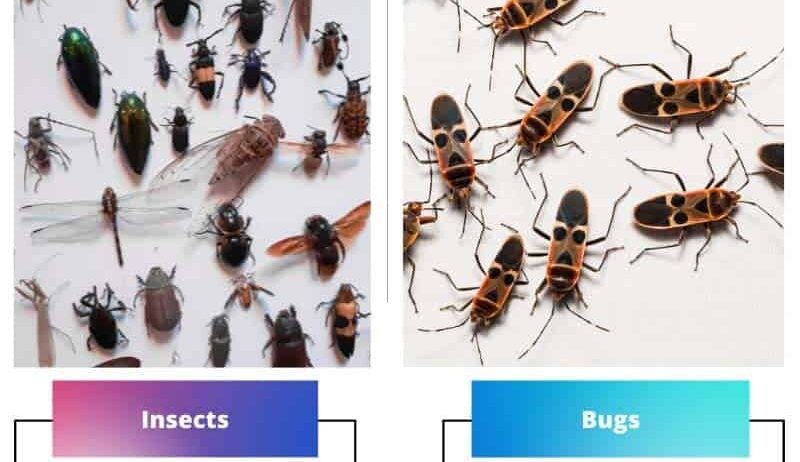

The intricate world of insects, teeming with diversity and ecological significance, faces an ever-shifting paradigm as climate change exacerbates temperature fluctuations. Rosa Menéndez has meticulously explored the implications of rising heat on these resilient yet vulnerable creatures. This discourse unveils the complexities of how insects interact with their environments in the context of escalating thermal stress, offering a nuanced perspective that speaks to broader ecological ramifications.
Understanding the biology of insects is paramount to unraveling their response to heat. Insects are ectothermic, meaning their body temperature is regulated by external thermal conditions. As ambient temperatures rise, so too does their metabolic rate, leading to increased activity and consequently an augmented demand for resources. This phenomenon creates a cascade of potential repercussions in their behavioral ecology, life cycles, and overall survival strategies.
The immediate response of insects to higher temperatures manifests in physiological alterations. Elevated temperatures can expedite developmental stages, causing species to mature more rapidly. However, this hypermetabolic state can induce stress, leading to decreased longevity and reproductive output. For example, many insects, including vital pollinators such as bees, exhibit a phenomenon known as thermal stress, which can impair their cognitive functions. A decline in pollinator efficiency inevitably jeopardizes the reproduction of numerous plant species, triggering significant interdependent ecological consequences.
Menéndez elucidates how the geographical distribution of insects is shifting in response to temperature changes. As regions warm, many insect populations are migrating toward cooler areas, often poleward or to higher altitudes. This shift, however, is not merely a search for more hospitable climates; it also entails conflict with existing ecosystems and species. Invasive species may flourish in newly warmed habitats, leading to competitive pressures on native insect populations and altering the local ecological balances. The confluence of climate change and invasive species dynamics raises alarms regarding biodiversity loss and the integrity of ecosystems.
Moreover, the implications of heat stress wear on the biochemical and physiological levels cannot be understated. Elevated temperatures influence insect physiology in terms of respiration, digestion, and circulation. Changes in these vital functions can affect population dynamics, altering predator-prey interactions and leading to potential ecosystem shifts. For instance, an increase in the prevalence of certain pests due to favorable thermal conditions can lead to a surge in agricultural challenges, complicating pest management and food production worldwide.
Perhaps one of the most alarming aspects of this thermal shift is its potential effect on insect-plant interactions. As temperature regimes alter, the synchronization between flowering times of plants and the life cycles of their pollinators may become disjointed. This phenological mismatch could disrupt mutualistic relations, leading to cascading failures in food webs. A disruption in the timing of flowering can reduce food availability, directly influencing insect populations and, consequently, the myriad of species dependent on them.
Rosa Menéndez emphasizes the influence of heat on particular insect ecology, including thermoregulation strategies. Many insects exhibit behavioral adaptations to combat heat stress. Migrations to cooler microhabitats, nocturnal activity patterns, and communal behaviors such as shading can mitigate adverse thermal effects. However, these adaptations have limits, and their efficacy can diminish as the climate crisis intensifies, potentially leading to population declines or extinctions among especially vulnerable species.
Additionally, Menéndez articulates concerns regarding the synergistic effects of climate change, where extreme heat events combine with other stressors like habitat destruction and pollution. The challenges faced by insects are multifaceted and interrelated, complicating conservation efforts. Ecosystem resilience is tested, and the repercussions can be far-reaching, transcending the realms of entomology and impacting human economic and environmental stability.
Educational initiatives spotlighting the importance of insect conservation are crucial in this context. Public awareness about the contribution of insects to ecosystem services, such as pollination and decomposition, is indispensable. Understanding their critical roles helps galvanize support for conservation policies aimed at mitigating the effects of climate change. Engagement in citizen science projects can also bolster research efforts, fostering a more informed public that is actively participating in environmental stewardship.
Furthermore, Menéndez advocates for integrative approaches to insect conservation, emphasizing habitat restoration and sustainable land management practices. Creating microhabitats that provide shade and reduce exposure to direct sunlight can buffer the effects of heat. Moreover, employing agroecological practices, such as polyculture and organic farming, can enhance ecosystem resilience, providing a haven for insects while ensuring food security.
In conclusion, the dialogue surrounding insects and their adaptation to increasing heat is expansive and complex. Rosa Menéndez’s exploration sheds light on the intricate interplay between climate change and insect ecology, revealing the latent threats and the urgent need for concerted action. As these small yet mighty organisms navigate a warming world, the ripple effects on our ecosystems accentuate the indispensable interconnectedness of life on Earth. Acknowledging this connection is pivotal, as it frames the narrative of conservation within the broader spectrum of climate action.
Ultimately, investing in research, education, and sustainable practices could foster resilience not only in insect populations but within the ecosystems they underpin, ensuring the sustainability of life itself amidst a backdrop of climatic upheaval.