


Alabama, a southeastern state in the United States, exhibits a climate pattern that is both intriguing and challenging. The state’s climate is characterized by hot summers and humid conditions, a common observation that reveals the underlying complexities of its environmental systems. Understanding the dynamics behind these weather phenomena not only offers insight into Alabama’s ecology but also highlights the broader implications of climate change.
In the summer, temperatures in Alabama often soar above 90 degrees Fahrenheit. This oppressive heat creates a palpable discomfort for residents and visitors alike. Humidity levels frequently exceed 80 percent, leading to a stifling atmosphere that can feel debilitating. The interplay of temperature and humidity results in a heat index that can make the outdoor air feel significantly hotter than it is. Such extreme conditions necessitate adaptations, from shifts in daily schedules to changes in agricultural practices.
Delving into the atmospheric conditions that produce this climate, one must consider Alabama’s geographical features. Located just north of the Gulf of Mexico, the state’s proximity to warm ocean waters plays a pivotal role in shaping its weather. The warm, moisture-laden air from the Gulf moves inland, colliding with cooler air masses. This interaction inevitably leads to a rise in humidity levels. The physical geography of Alabama, with its varied topography of mountains, valleys, and plains, further influences local microclimates, contributing to discrepancies in temperature and rainfall patterns across the state.
One cannot explore Alabama’s climatic intricacies without acknowledging the role of its seasons. Though summers are notoriously hot and humid, the winters are relatively mild. This seasonal contrast often leads to a diversity of flora and fauna that adapt to these variations. However, as climate change intensifies, these seasonal patterns are becoming increasingly unpredictable. The once-typical weather patterns are shifting, resulting in a host of ecological consequences.
For example, elevated temperatures have led to a longer growing season, which is perceived positively by farmers eager to extend their yields. Still, the risks associated with such changes cannot be ignored. Crops that are acclimated to specific temperature ranges may struggle to survive the increased heat, as excessive temperatures can disrupt photosynthesis and growth. Furthermore, increased humidity can foster the proliferation of pests and diseases that threaten agricultural productivity.
Etiologically speaking, the humid summers create a hotspot for a unique ecosystem that thrives in these conditions. The wetlands formed by frequent rainfall cycles of Alabama provide critical habitats for a plethora of species, many of which are endemic and cannot be found in other regions. This biodiversity is vital to maintaining ecological balance; however, as climate change exacerbates flooding and drought cycles, these wetland habitats face unprecedented threats.
In addition to the ecological repercussions, heat and humidity can have a direct impact on human health. The increased incidence of heat-related illnesses, such as heat exhaustion and heatstroke, presents a serious public health concern. Vulnerable populations, including the elderly, children, and those with preexisting health conditions, are particularly at risk. Moreover, the increase in pollutants typically found in stagnant, humid air can exacerbate respiratory issues, leading to heightened healthcare needs and costs.
Societal adaptations to this climate have evolved over time, yet the rising temperatures and humidity pose new challenges. Urban areas grapple with the “urban heat island” effect, where built environments absorb and re-radiate heat, contributing to even higher localized temperatures. As cities expand, the use of reflective materials and urban forestry initiatives become imperative to mitigate these effects. Green spaces and parks can act as havens of respite from oppressive summer heat, offering both psychological and physical relief for residents.
Moreover, the cultural fabric of Alabama is deeply intertwined with its climate. From the slow-paced rivers and abundant natural resources to the vibrant festivals celebrating seasonal crops and harvests, the environment shapes daily life and traditions. The food culture of Alabama is particularly illustrative of this connection; dishes such as gumbo and jambalaya draw upon the agricultural bounty that thrives in the state’s humid climate, reflecting a symbiotic relationship between people and place.
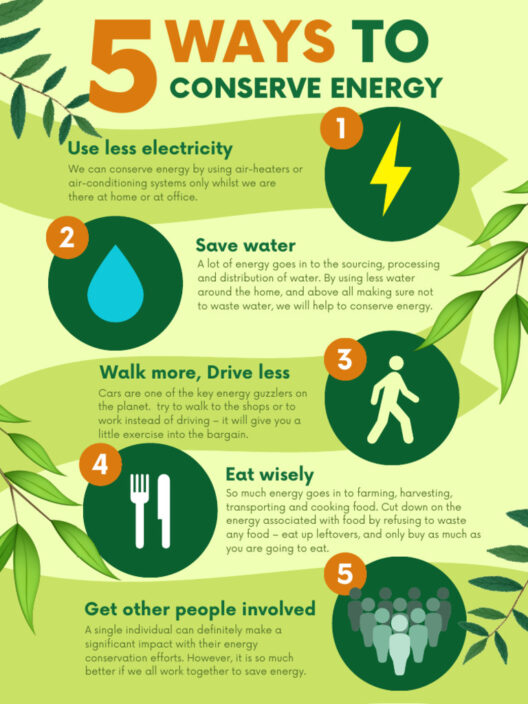
As the climate shifts, the narratives surrounding Alabama’s identity are also transforming. The interplay of climate, culture, and health underscores a broader, global discourse on environmental responsibility and sustainability. Statewide initiatives focusing on renewable energy and conservation efforts are gaining momentum, aiming to stem the tide of climate change while promoting resilience amongst communities.
In conclusion, Alabama’s climate – marked by its sweltering summers and significant humidity – serves as a microcosm of the broader challenges posed by climate change. While its distinct environmental attributes lend a unique character to the region, they also serve as a catalyst for both ecological and public health concerns. The stories woven through Alabama’s landscapes are not merely tales of heat and wetness; they reveal profound insights into adaptation, conservation, and the precarious balance of life in a changing world. Understanding these intricate interactions is crucial, for they will define the future of Alabama and its citizens in an era of uncertainty.