


In the grand tapestry of ecological phenomena, climate change emerges as a relentless puppeteer, pulling the strings of various environmental catastrophes, among which the surge in wildfires stands as a poignant exemplar. The question that looms large is not merely whether climate change is a contributing factor to the proliferation of these incendiary occurrences but rather how it orchestrates the very conditions that render our landscapes susceptible to infernos. To unravel this intricate web, one must traverse the intersection of climatology, meteorology, and fire ecology.
First, consider the shifting climate as a slow but steady erosion of the natural order. Much like a sculptor chisels away at a block of marble, altering its form, human-induced climate change has redefined the characteristics of our environment. Higher temperatures are becoming the new norm, where once cool breezes were standard. The statistics are stark. Recent decades have witnessed a remarkable elevation in average global temperatures, an increase that is directly correlated with the heightened frequency and intensity of wildfires. Regions previously lush and temperate are now transformed into tinderbox landscapes, with vegetation primed to combust.
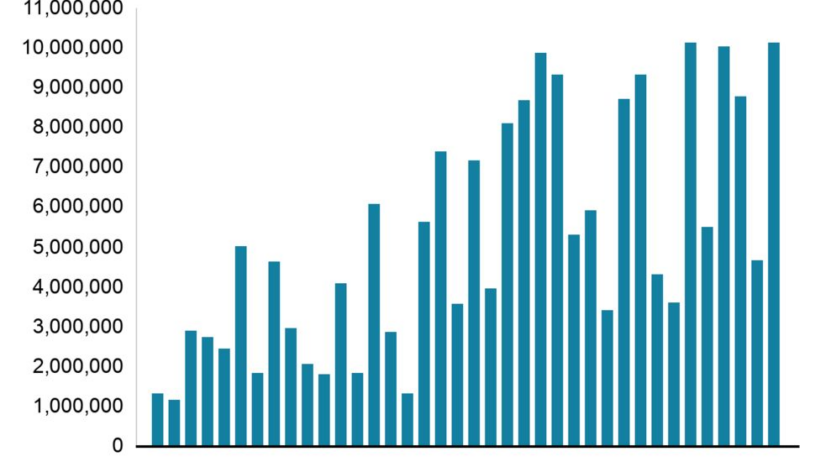
Heat is not merely a passive observer in this equation; it acts as an accelerant. When temperatures rise beyond certain thresholds, vegetation desiccates, moisture is extracted, and the terrestrial realm becomes fertile ground for fire. The link becomes increasingly apparent in regions like the American West, where prolonged drought stretches the limits of survival for flora and fauna alike. As the discourse evolves, it becomes imperative to scrutinize the data that underpin these assertions.
Moreover, increasing carbon dioxide levels instigate a chain reaction in vegetation dynamics. Plants thrive on CO2, and as concentrations of this greenhouse gas intensify, so does plant growth. However, this growth is often of species ill-suited to endure the harsh climatic changes that follow. These invasive species that flourish under the influence of climate change can create ecosystems that are even more prone to burn. Each invasive plant stands as a potential spark, cultivating environments that are less resilient and more prone to ignition.
Furthermore, the confluence of temperature and humidity deficiency sets the stage for heightened wildfire activity. The aridification of landscapes, driven by changing precipitation patterns, culminates in an increase in both the intensity and scale of wildfires. This is not an isolated phenomenon; it is a widespread trend affecting numerous ecosystems across continents. The cyclical patterns of drought and excessive rainfall create a volatile interplay, where periods of unyielding dryness alternate with sudden bursts of moisture, leading to an eventual explosion of growth followed by inevitable desiccation. This cycle underscores the frailty of our ecosystems and their vulnerability to wildfire outbreaks.
As we delve deeper, the role of human activity cannot be overlooked. Urban expansion and forest management practices contribute significantly to the wildfire crisis. The encroachment of human habitation into wild areas exacerbates the potential for catastrophic fires. The juxtaposition of homes against a backdrop of parched wilderness creates a collision of interests—humans seeking expansion while nature, reeling under climatic strain, exhibits its destructive tendencies. It is a delicate balance, teetering on the brink, where one misstep could catalyze a larger disaster.
Additionally, climatic disruptions are no longer limited to mere temperature anomalies; they bring forth extreme weather events characterized by erratic winds and erratic patterns of precipitation. These factors exacerbate wildfire conditions, transforming manageable blazes into raging infernos. Firefighters often find themselves contending not only with flames but with an unpredictable dance of wind that propels the flames further and faster than anticipated. The chaos that ensues is a stark reminder of humanity’s precarious alignment with natural forces that are growing increasingly volatile.
To encapsulate, the evidence mounts—a compelling narrative emerges from the data. Climate change serves not simply as a backdrop but as a key protagonist in the narrative of rising wildfires. Each wildfire tells a story, a reminder of humanity’s imprint on the environment, of the delicate balance that has been wholly disturbed. The implications are profound; they extend beyond environmental degradation and encroach upon public health and economics. The smoke that billows from a distant fire doesn’t merely obscure the sun; it carries with it the weight of loss—the loss of biodiversity, habitat, and, ultimately, a way of life.
It is incumbent upon us to scrutinize this phenomenon through a critical lens. The question is not just whether climate change is behind the rise in wildfires but rather how we, as stewards of the Earth, can alter the course that seems, at present, inexorably charted toward further destruction. Preparedness, adaptation, and a commitment to minimizing our contributions to climate change must form the bedrock of our response. By embracing innovative and sustainable practices, we can begin to quell the flames—not just the literal ones that threaten our forests, but the metaphorical fires of apathy and indifference that allow these crises to flourish.
In the final analysis, wildfires serve as an unrelenting reminder of the interconnectedness of climate, ecology, and human activity. As we confront this stark reality, we must also embrace the challenge to change. The fight against climate change is not a solitary endeavor but a collective responsibility to secure a sustainable future—one where wildfires become less a harbinger of doom and more a testament to resilience and renewal.