

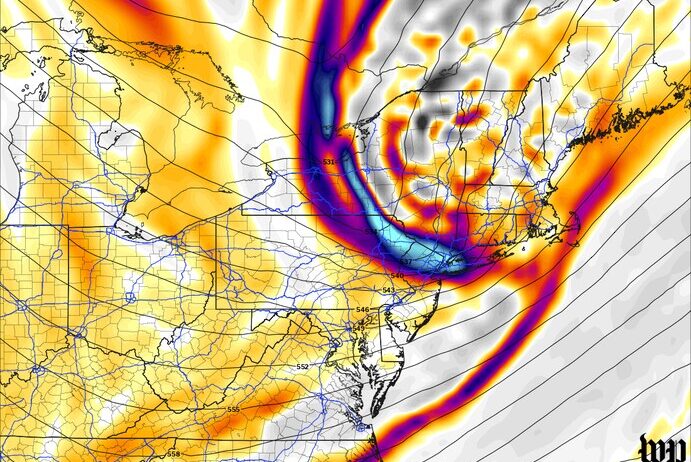

Connecticut, a bastion of picturesque New England charm, faces an increasingly tumultuous reality in the form of rare tornadoes. These spiraling phenomena, typically associated with the Midwest’s vast plains, have become unwelcome visitors to the state. As scientists unravel the intricate tapestry of climate change, the question arises: are these anomalous weather patterns manifestations of global warming? This inquiry delves into the atmospheric changes fueling such events, their implications on local ecosystems, and broader climatic shifts.
To understand the relationship between tornado formation and global warming, one must first grasp the fundamental principles of tornado genesis. Tornadoes are spawned from severe thunderstorms, a product of warm, moist air colliding with cooler, drier air masses. This chaotic interaction creates instability, leading to the powerful updrafts necessary for tornado development. In Connecticut, where temperate and maritime climates converge, the prerequisites for such storms have historically been rare. Yet, these conditions are evolving, driven by global temperature elevations.
In recent decades, the Earth has experienced unparalleled warming, primarily attributed to anthropogenic greenhouse gas emissions. Among the myriad consequences of this warming is an unsettling escalation in extreme weather events. Rising temperatures intensify evaporation rates, leading to a surfeit of moisture in the atmosphere. This phenomenon exacerbates storm intensity, creating ideal conditions for severe weather, including tornadoes, to occur in locations previously considered safe from such turmoil.
Consider the state of Connecticut as a delicate soufflé, expertly crafted yet increasingly vulnerable to the heat of an unrelenting oven. The delicate balance of atmospheric ingredients—temperature, humidity, wind speed, and direction—can rapidly destabilize, leading to catastrophic results. As global temperatures rise, the ingredients for severe weather become more potent. The juxtaposition of warm, moist air from the Atlantic meeting the cooler air of the continental landmasses creates a veritable recipe for disaster. Connecticut is not an island unto itself; its weather system is intricately linked to broader climate patterns.
Moreover, the frequency of tornadoes, while historically low in Connecticut, is not the only concern. The state is witnessing a marked increase in severe thunderstorms, which can produce tornadoes as a byproduct. Studies indicate that extreme precipitation events have become more common in the northeastern United States, plaguing Connecticut with intense rain, flooding, and hailstorms. The influx of moisture-laden air, coupled with warmer surface temperatures, creates an environment that is ripe for violent storms.
The unpredictability of weather phenomena also complicates the narrative surrounding climate change. Historical data indicates that tornadoes in New England were once seen as anomalies, occurring perhaps once or twice a decade. However, as the climate continuum shifts, these phenomena are becoming less confined to their traditional territories. Tornadoes, much like unwelcome guests at a celebration, disrupt the calm and predictability once enjoyed.
This metamorphosis in weather patterns poses significant implications for both human safety and environmental stewardship. Increased tornado activity signifies a direct challenge to Connecticut’s infrastructure and public safety policies. As communities adapt to an ever-changing climate, the question arises: are we prepared to face the repercussions of our warming planet? Storm shelters, emergency services, and public awareness campaigns will need bolstering to accommodate the shifting paradigm.
Additionally, local ecosystems are experiencing upheaval. Tornadoes can strip landscapes bare, uprooting trees and destabilizing habitats. The aftermath can create a chain reaction that affects biodiversity, soil health, and the intricate web of life. Flora and fauna have limited adaptability to such rapid environmental shifts. As habitats become fragmented, species face increased competition for resources, amplifying the struggle for survival amid the climate crisis.
Engagement with renewable energy sources becomes paramount in the fight against global warming. Connecticut has made strides towards clean energy initiatives, which may mitigate some impacts of climate change. But these efforts must be intensified. Investment in solar, wind, and other sustainable technologies not only reduces greenhouse gas emissions but also cultivates resilience in local ecosystems. These initiatives can serve as a buffer against the volatile weather patterns sweeping across the state.
The connections between Connecticut’s rare tornadoes and global warming elucidate a broader narrative of interconnectedness. The delicate equilibrium of our climate is fragile, and disturbances in one region can reverberate through the world. Thus, as the state grapples with the increasing frequency of these tornadoes, the community must embrace a holistic approach. Advocating for sustainable practices, promoting comprehensive climate policies, and fostering an awareness of environmental changes are essential. It is incumbent upon us to reckon with our role in this evolving climate narrative.
In conclusion, while tornadoes in Connecticut may be rare, their occurrences are becoming less so, serving as harbingers of a new climatic reality wrought by global warming. As the state navigates this tumultuous terrain, the dual challenges of adapting to severe weather and mitigating climate change present complex intertwining dilemmas. Ultimately, our ability to respond to these challenges will determine not only the safety of our communities but also the health of our planet for generations to come. The winds of change are swirling; it is crucial that we learn to navigate them wisely.