


Energy conservation is a fundamental principle in physics that suggests energy cannot be created or destroyed, only transformed from one form to another. This principle, however, raises an intriguing question: Is energy truly conserved in every context? Examining the nuances of energy conservation provides an enlightening perspective on various phenomena observed in nature. This discussion delves into the intricacies of energy transformation, different types of energy, contexts where conservation principles hold or falter, and the implications on environmental sustainability.
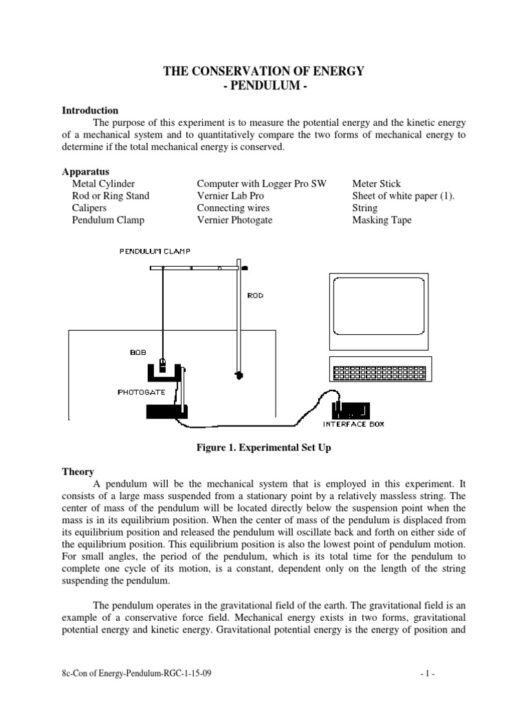
To begin with, it is essential to comprehend what conservation of energy entails. The law of conservation of energy stipulates that the total energy within an isolated system remains constant over time. For instance, consider a simple mechanical system like a pendulum. At its highest point, potential energy is at its maximum, while kinetic energy is minimal. As the pendulum swings downwards, potential energy converts to kinetic energy, culminating in maximum kinetic energy at the lowest point of the swing. This cyclical exchange exemplifies the conservation principle under ideal conditions, such as a frictionless environment where no external forces act on the system.
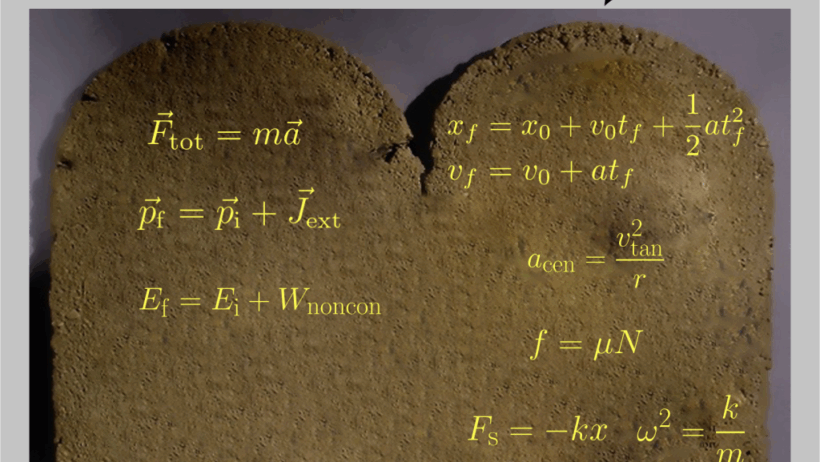
Nevertheless, the real world seldom presents us with ideal conditions. Various factors can disrupt energy conservation. Friction, air resistance, and other non-conservative forces lead to energy dissipation as thermal energy, which does not re-enter the system. Therefore, while energy is always conserved in its totality, the usable energy can diminish through transformations into less desirable forms, rendering it unavailable for work.
Furthermore, energy exists in numerous forms, including kinetic, potential, thermal, chemical, electrical, and nuclear energy. Each type can interconvert, yet the context dictates efficiency and conservation efficacy. For example, in thermodynamics, the first law asserts energy conservation. However, the second law introduces the concept of entropy, indicating that in thermodynamic systems, energy transformations tend to lead towards a state of increased disorder. Essentially, energy distributions in physical systems evolve towards equilibrium, which often translates to a loss of usable energy for performing work.
An intriguing context arises when discussing renewable energy sources. Solar panels, wind turbines, and hydroelectric plants embody the conversion of naturally occurring energy into usable electric energy. It’s critical to acknowledge that while these systems augment energy sustainability, the extraction and transformation processes are not immune to losses. For instance, solar cells convert sunlight to electrical energy with an efficiency typically below 25%, implying that a significant portion of solar energy is not converted into usable electrical energy.
Moreover, there exists a profound distinction between local and global energy conservation. Locally, within constrained systems such as mechanical apparatuses, energy transformations often align with conservation laws. However, when the scope expands to planetary or cosmic scales, the narrative alters. The universe itself is a dynamic entity, where energy flows into and out of different forms and locations. Cosmic events—supernovae, black holes, and the expansion of the universe—exhibit energy exchanges that defy straightforward conservation models. In such cases, delineating energy conservation becomes considerably complex, emphasizing the need for a more nuanced understanding.
The implications of energy conservation extend beyond theoretical confines, echoing through practical applications and environmental concerns. The understanding that energy can diminish in usable forms urges a transformation in how society approaches energy consumption and sustainability. Engaging in practices that enhance energy efficiency is not merely an academic exercise; it carries significant weight in addressing issues like climate change and environmental degradation. For instance, adopting energy-efficient technologies in buildings can significantly reduce energy demand, promoting a more sustainable future.
An additional facet frequently overlooked in the realm of conservation is the influence of energy storage systems. Batteries, for example, exemplify a sophisticated interface of energy conservation and transformation. They store chemical energy and release it as electrical energy on demand. However, this process is not without limitations. Energy losses occur during charging and discharging cycles, analogous to the inefficiencies experienced in solar cell conversions. Therefore, understanding both the conservation of energy and the associated inefficiencies in storage and conversion is vital for the development of a sustainable energy infrastructure.
In conclusion, the question of whether energy is conserved is intricately bound to the context of energy transformations and the efficiency of those processes. While energy conservation holds true under specific conditions, real-world applications reveal complexities that complicate its interpretation. As we navigate the challenges posed by energy demand and environmental sustainability, recognizing the multifaceted nature of energy conservation is crucial. In the quest for a greener planet, a comprehensive understanding of energy transformations allows for informed decisions, guiding society towards practices that not only honor the principles of physics but also promote ecological well-being. A delicate balance exists between our energy needs and the conservation of fundamental resources, one that demands our utmost attention and conscientious stewardship.