


The allure of fast fashion is undeniable. The promise of trendy apparel at remarkably low prices has transformed not only the way consumers shop but has also significantly influenced the global economy. However, beneath the sleek veneer of affordability lies a convoluted web of environmental ramifications that warrants extensive examination. This exploration posits a critical question: is fast fashion inadvertently fueling climate change? The answer may reside in the intricate dynamics of production, consumption, and waste associated with these bargain-basement garments.
Fast fashion epitomizes a fundamental shift in the clothing industry, emphasizing rapid production cycles to match the whims of consumers. The omnipresence of social media and influencer culture has exacerbated this impulse, where the craving for novelty encourages frequent purchases and swift disposal of clothing. Yet, this seemingly benign behavior belies a calamitous environmental toll. The production process of fast fashion is inherently resource-intensive, using vast quantities of water, energy, and raw materials, leading to significant ecological degradation.
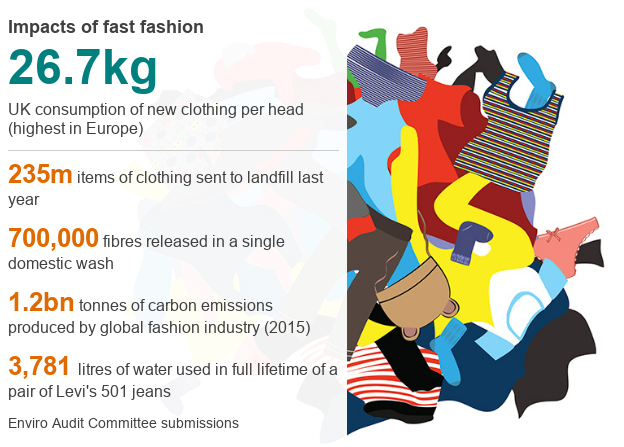
One of the most profound environmental concerns surrounding fast fashion is water consumption. Consider this: it can take over 2,700 liters of water to produce a single cotton shirt. This staggering figure encompasses everything from irrigation of cotton fields to dyeing processes. In regions already facing water scarcity, this exploitation of natural resources can exacerbate existing crises, rendering communities vulnerable. The dichotomy between affordability and accessibility is starkly highlighted here; while consumers revel in their newly acquired garments, local populations grapple with diminishing water supplies.
Moreover, the carbon footprint of fast fashion manifests in myriad ways. The production of synthetic fabrics such as polyester, which dominate the fast fashion market, is particularly concerning due to their fossil fuel origins. These materials not only rely on non-renewable resources but also incur substantial greenhouse gas emissions during production. When considering the entire lifecycle of a garment, from production to transportation, the emissions associated with fast fashion rival those of entire industries. The concentration on speed and volume, rather than sustainability, elucidates a troubling paradox: our desire for inexpensive clothing translates into ecological devastation.
As garments cycle through wardrobes and subsequently into landfills, the issue of waste management compounds. The vast majority of fast fashion items are discarded after only a few wears, creating an insatiable demand for new production. This “throwaway culture” not only generates millions of tons of textile waste annually but also contributes to the proliferation of landfills worldwide, where synthetic materials persist for centuries without biodegrading. These discarded clothes often find their way into developing nations, creating additional ecological and economic challenges as local markets struggle to accommodate the influx of inexpensive, unsalable textiles.
The interconnectivity between fast fashion and climate change also merits attention through the lens of biodiversity loss. The proliferation of monoculture farming practices, driven by the demand for cheap materials like cotton and synthetic fibers, leads to a reduction in agricultural diversity. This, in turn, affects ecosystems, as species become endangered or extinct due to habitat destruction and chemical exposure from pesticides and fertilizers used in conventional agriculture. Fast fashion is thus not merely an economic phenomenon but also a profound contributor to the degradation of the planet’s biological heritage.
While the consequences of fast fashion are grave, the narrative need not culminate in despair. Transformative change is possible, and it begins with informed consumer choices. Shifting from a mentality of disposability to one of sustainability is essential. Adopting a more critical approach to purchasing—prioritizing quality over quantity and opting for responsibly sourced materials—can conserve resources while invigorating ethical production practices. Additionally, supporting brands committed to sustainable practices fosters a more conscientious marketplace, compelling manufacturers to adjust their strategies.
This transition also necessitates a communal reimagining of fashion. Collaborative initiatives such as clothing swaps, thrift shopping, and upcycling can rejuvenate the industry while aligning with the principles of circular economy. Engaging in these practices not only reduces waste but also promotes creativity and uniqueness in individual style. In this way, the tide can turn against the relentless cycle of fast fashion, offering a more sustainable alternative that honors both the consumer and the environment.
Though the journey toward redefining fashion is fraught with challenges, the current moment presents a unique opportunity for systemic change. Educational campaigns aimed at raising awareness about the implications of fast fashion are crucial. Advocating for legislative measures that hold corporations accountable for their environmental impact can establish a paradigm shift within the industry. Additionally, fostering dialogue within communities about sustainable practices catalyzes collective action, heightening awareness and promoting responsibility among consumers.
In conclusion, the pervasive nature of fast fashion is intricately linked to climate change through its extensive consequences on water use, carbon emissions, waste generation, and biodiversity loss. The visible allure of cheap clothes masks a dire reality that necessitates immediate attention and action. By cultivating an ethos of sustainability, supporting ethical production, and adopting responsible consumer habits, society can mitigate the suite of consequences tied to fast fashion. Embracing change is not only imperative; it is the key to safeguarding the planet for future generations while redefining the very essence of fashion itself.