

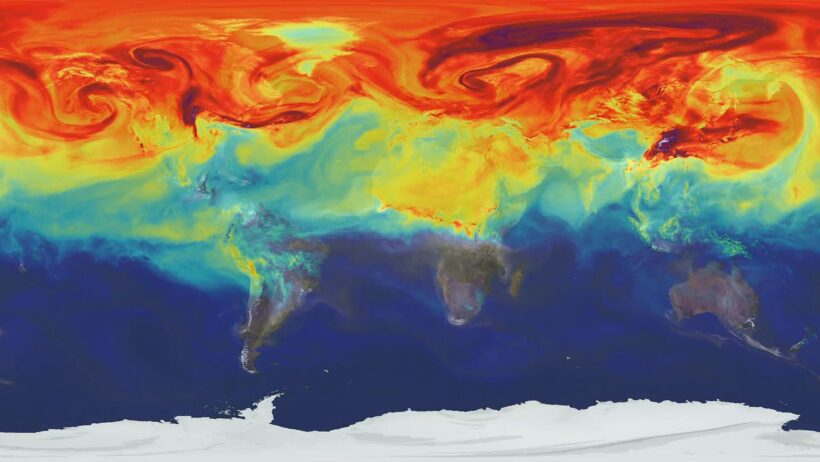

Global warming is a phenomenon that has captured global attention, yet the narrative surrounding it often raises an intriguing question: Is the impact of global warming uniform around the globe? Understanding the intricate variables at play in this climatic upheaval reveals that the answer is decidedly complex. The experience of global warming varies significantly across different regions due to a multitude of factors, including geographical location, socioeconomic conditions, and ecological systems.
From the Arctic to the tropics, the manifestation of climate change is anything but uniform. The Arctic, for instance, is warming disproportionately faster than other regions due to feedback mechanisms such as the albedo effect. As ice melts, it exposes darker ocean waters that absorb more sunlight, further accelerating warming and ice loss. In stark contrast, some equatorial regions may experience less dramatic temperature increases, even as they grapple with the consequences of altered rainfall patterns and increased storm intensity.
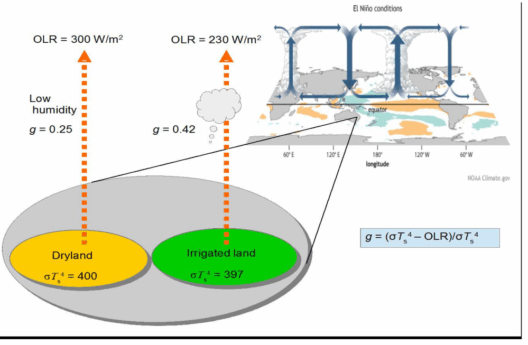
The geographic disparities in temperature rise are further complicated by local climatological phenomena. For example, coastal areas often experience milder temperature increases due to the moderating effects of ocean currents. Conversely, landlocked regions may undergo more extreme temperature fluctuations. This differential heating is not merely a statistic; it has dire implications on agriculture, biodiversity, and human health. Farmers in the Midwest United States may find their historical growing seasons disrupted, while Mediterranean regions face increased droughts, impacting both local ecosystems and food security.
Furthermore, the socio-economic landscape plays a pivotal role in how communities experience climate change. Wealthier nations with robust infrastructures may adapt more readily to the changes wrought by global warming. They possess the technological resources and financial means to mitigate effects such as heatwaves and flooding. On the other hand, developing nations often lack such resilience. For instance, in sub-Saharan Africa, where agriculture is the mainstay for most economies, erratic rainfall can lead to famine. These communities are not only the least responsible for carbon emissions but are also the most vulnerable to climate impacts.
Urbanization adds another layer of complexity to the uneven effects of global warming. Cities, often referred to as “heat islands,” typically experience higher temperature increases than surrounding rural areas due to concentrated human activity and infrastructure. The urban poor, who often inhabit less resilient areas, are disproportionately affected by this localized warming. The lack of green spaces exacerbates heat effects and can lead to severe public health issues, including heat-related illnesses.
The interaction between human activity and the natural world compounds the challenges associated with climate change. Deforestation and land-use changes not only contribute to increased greenhouse gas emissions but also alter local climates. For instance, the Amazon rainforest, known as the “lungs of the planet,” is undergoing significant degradation, which alters precipitation patterns not just locally but globally. The loss of trees means less absorption of CO2, further exacerbating global warming. This phenomenon illustrates the interconnectedness of various ecological systems and the broader atmospheric context.
Moreover, ocean systems are not immune to the ramifications of climate change. The warming of ocean waters leads to coral bleaching events and shifts in marine biodiversity. Some species may thrive with changing conditions, while others struggle or face extinction. Fishing communities that rely on specific species for their livelihoods find themselves at the mercy of shifting fish populations, often leading to socio-economic strife in these regions. The unevenness in marine impacts of climate change is a reflection of larger patterns of disparity experienced on land.
Another factor contributing to the perception of global warming’s uneven impact is the phenomenon of climate refugees. Populations displaced by rising sea levels, such as those in the Pacific Islands or coastal Bangladesh, face different challenges compared to populations resettling from drought-affected areas. The reasons for these displacements vary, influenced by geographic and socio-political contexts. Such scenarios highlight the urgent need for international cooperation to address not only the environmental but also the humanitarian crises emerging from climate change.
Moreover, the uneven pace of climate change can provoke distinctive political responses. Regions feeling the most immediate effects may push for stringent policies to reduce emissions or seek reparative justice. For instance, island nations advocating for climate action highlight their precarious position, asserting that those historically responsible for emissions should lead in climate adaptation funding. This dimension of climate change raises questions about equity, justice, and the ethical obligations of wealthier nations to those that bear the brunt of impacts they did not create.
In summary, the assertion that global warming is uniform across the world is fundamentally misleading. Starting from geographic variances, socio-economic disparities, and human-induced ecological changes, the manifestations of climate change are as diverse as the planet itself. This complexity evokes a deeper fascination—it underscores the necessity for tailored strategies to combat and adapt to climate change that acknowledge regional peculiarities and promote global solidarity. As awareness around climate issues grows, understanding these differences will be critical for informing policy and ensuring a sustainable future.