

The premise of whether global warming remains a contentious topic has become increasingly superfluous in today’s scientific discourse. The overwhelming consensus among climate scientists is that global warming is not merely an impending issue—it is already a reality that demands immediate action. The inquiry into climate change’s implications is no longer about ‘if’ but rather ‘how’ humanity can respond effectively to mitigate its consequences.
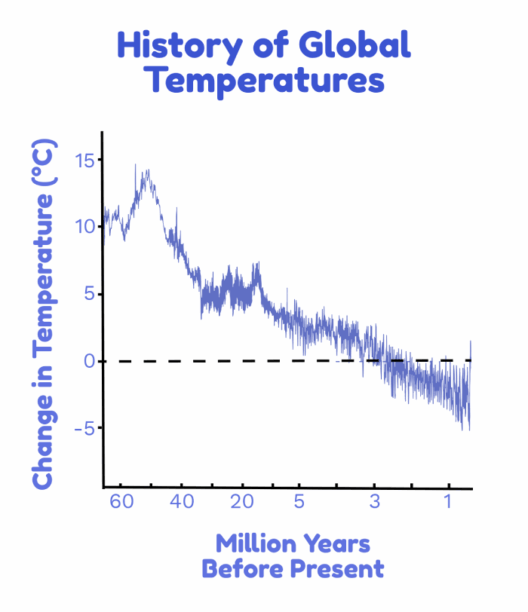
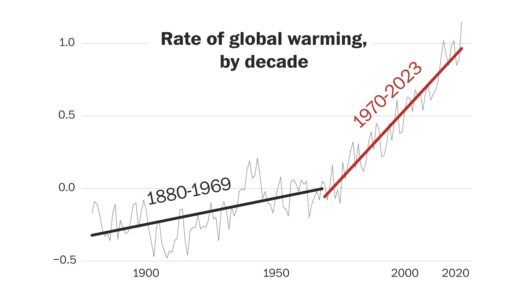
Over the past few decades, a plethora of research has elucidated the multifaceted nature of climate change. Scientists delineate a broad array of evidence that substantiates the phenomenon, including rising global temperatures, melting ice caps, and shifting weather patterns. Each of these indicators contributes to an irrefutable narrative: human activity, particularly the combustion of fossil fuels, has raised atmospheric carbon dioxide levels to unprecedented heights.
One pivotal question arises amidst the data: What are the implications for ecosystems and human societies alike? Alterations in temperature affect not just individual species but also entire ecosystems, leading to biodiversity loss. Coral reefs, often referred to as the ‘rainforests of the sea,’ are particularly vulnerable. Rising temperatures contribute to coral bleaching, a phenomenon that jeopardizes marine biodiversity, disrupts fisheries, and threatens the livelihoods of coastal communities globally.
Equally critical is the impact on human health. The relationship between climate change and public health is increasingly recognized. Pollutants emitted from fossil fuels contribute to respiratory diseases and exacerbate pre-existing conditions. As temperatures rise, the incidence of heat-related illnesses and vector-borne diseases—such as malaria and dengue fever—will likely surge, especially in regions ill-equipped to manage such health challenges.
With such profound implications, one might question the hesitation exhibited by some policymakers and sectors of society. Resistance often stems from misinformation, typically propagated by entities with vested interests in fossil fuels. A notable example arose when leading scientists publicly rebutted claims made by reputable publications about climate science accuracy, emphasizing the necessity for facts over sensationalism. In scientific circles, the importance of addressing misinformation cannot be overstated. Without a clear understanding of the scientific consensus, action remains hampered.
Scholarly research reveals that 97% of climate scientists agree that climate change is significantly influenced by human activity. This statistic underscores the need for an informed public discussion that acknowledges scientific findings rather than capitulates to unsubstantiated claims. The scientific methodology embraces skepticism as part of its foundation; however, consistent patterns emerge from extensive peer-reviewed studies, affirming the urgent requirement for action.
The promising developments in renewable energy technologies herald a shift in perspective. As advancements in solar, wind, and hydropower continue to accelerate, their integration into the global energy matrix presents a viable path towards sustainability. The market for renewables is burgeoning, demonstrating that economic interests can align closely with environmental stewardship. For instance, investment in renewables not only diminishes carbon footprints but also stimulates job creation. Data suggests that in many regions, renewable energy now provides more employment than fossil fuels.
Moreover, governmental initiatives worldwide reflect an awakening to the perils of climate inaction. International accords such as the Paris Agreement illustrate a collective commitment to limit global warming to well below 2 degrees Celsius above pre-industrial levels. However, achieving these ambitious targets necessitates not just verbal pledges but tangible policies that lead to sustainable practices. The role of effective leadership and public advocacy is crucial; the drive for change often stems from grassroots movements that demand accountability from their representatives.
As adaptation strategies evolve, communities worldwide are mobilizing to prepare for the inevitable impacts of climate change. Urban areas, for instance, are innovating by investing in resilient infrastructure, which proactively mitigates flooding and heatwaves. Simple initiatives like enhancing green spaces or promoting sustainable agriculture can play indispensable roles in bolstering community defenses against climate impacts.
The conversation surrounding climate change must evolve. No longer should it center around skepticism or denial; rather, it should focus on collaborative approaches that harness collective expertise to foster sustainable practices. Educational institutions hold a pivotal role in this transformation. By integrating environmental studies into core curricula, future generations will be better equipped to tackle the complexities of climate and ecological challenges.
As the discourse pushes toward actionable solutions, it is pertinent to recognize that individual agency also plays a vital part in addressing this global crisis. Small changes, such as reducing waste, utilizing public transportation, or advocating for policy reform can collectively yield significant impacts. Individual habits can catalyze broader societal shifts, proving that every action counts in the fight against climate change.
In conclusion, the scientific community has decisively illuminated the urgent reality of global warming. The jury is no longer out; its verdict is clear. Humanity faces a pivotal moment—a crossroads where the outcomes hinge on the choices made today. Embracing a future with sustainability at its core is not merely an option; it is an imperative. The time to act is now, informed by science, driven by accountability, and aimed at ensuring a viable planet for generations to come.