

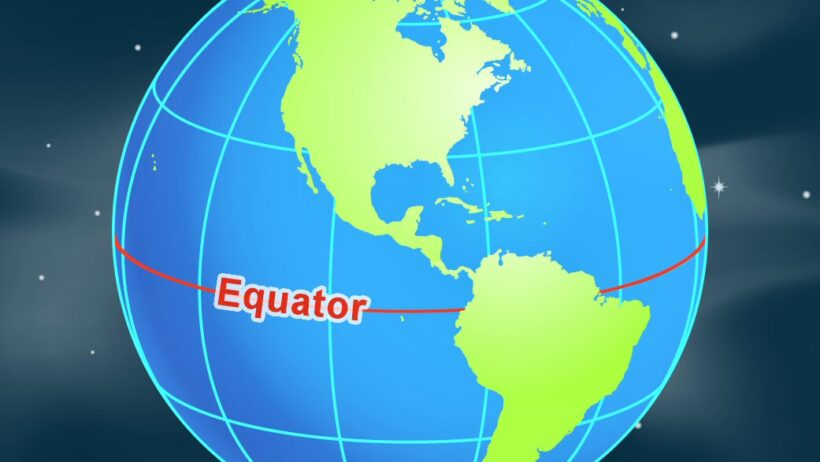

The Equator, an imaginary line encircling the Earth, is a unique and curious phenomenon. For many, it conjures images of lush jungles, relentless sun, and unbounded biodiversity. However, beyond this picturesque veneer lies a more profound narrative woven through the fabric of its climate, ecology, and socio-economic intricacies. What is it that renders the Equator’s climate distinctly fascinating? This inquiry elicits a twofold answer: the intrinsic biological and meteorological aspects, alongside the anthropogenic factors that symbolically and literally shape the lives of those who dwell within the equatorial belt.
To comprehend the essence of life along the Equator, one must first grasp the climatic realities that define the region. The climatic condition prevalent in these latitudes is primarily characterized by a tropical rainforest climate, colloquially referred to as an Af climate type, as classified by the Köppen climate classification system. Visitors and inhabitants alike experience abundant precipitation, often exceeding 2000 millimeters annually. This rainfall is distributed throughout the year, eschewing the conventional patterns of wet and dry seasons often experienced in temperate regions.
Moreover, the climate remains consistently warm, with temperatures typically ranging from 20°C to 30°C (68°F to 86°F). Such climate stability, while appealing, can lead to its own set of challenges, particularly in the context of global climate change. Despite the enviable temperatures, the ramifications of climate change—rising sea levels, altered rainfall patterns, and deforestation—are palpable and threaten the delicate ecosystems that flourish here.
The Equator’s consistent solar radiation provokes unique ecological phenomena. Most notably, the region is home to some of the most biodiverse ecosystems on the planet. Tropical rainforests, characterized by towering trees, vast canopies, and vibrant undergrowth, capture the imagination of scientists, ecologists, and adventurers alike. These ecosystems serve as vital carbon sinks, playing a critical role in mitigating climate change by absorbing carbon dioxide from the atmosphere.
Yet, the captivating beauty of the Equatorial rainforests masks a more sobering truth: the relentless encroachment of deforestation. Loggings, agricultural expansion, and infrastructural development perpetrate the fragmentation of these verdant sanctuaries. This is a multifaceted issue, often rooted in economic motivations where local communities seek to enhance their livelihoods. However, the long-term ramifications jeopardize not only local fauna and flora but also contribute significantly to global greenhouse gas emissions.
Additionally, the climatic phenomena along the Equator frequently give rise to distinctive weather patterns. For instance, the Intertropical Convergence Zone (ITCZ) plays a pivotal role in the overall climate dynamics of equatorial regions. The ITCZ is where the trade winds from the northern and southern hemispheres converge, resulting in a belt of low pressure that generates persistent thunderstorms. These storms are essential for replenishing the water supply in rainforests, thus sustaining their rich biodiversity.
Furthermore, the climatic characteristics of the Equator instill profound social and cultural implications. Communities residing in these regions have developed intricate relationships with their environments, innovating sustainable practices and relying on traditional ecological knowledge to foster resilience amidst climatic fluctuations. Indigenous populations, often the stewards of the land, possess invaluable knowledge of local resources and biodiversity. Their endurance in the face of environmental change is a testament to their adaptability and foresight.
However, modernization, globalization, and climate change present formidable challenges to these traditional ways of life. Rapid urbanization tempts rural populations to migrate towards cities, often leading to cultural erosion and environmental degradation. In juxtaposition to the resilient communities, the encroachment of urbanization demonstrates the tension underlying the modern evolution of equatorial societies.
This intersection of rich ecological biodiversity and the intricate social fabric of equatorial communities also underscores the global stakes in the climate narrative. The Equator is not merely a line on a map; it is the linchpin in the conversation surrounding climate health, biodiversity conservation, and sustainable development. Debates about resource management and climate justice are critical, as inequities often emerge wherein local populations bear the brunt of global decisions made elsewhere. This reality demands a call to action: the global community must recognize the interconnectedness between equatorial ecosystems and global climate dynamics.
In conclusion, the Equator exemplifies a myriad of climatic and ecological phenomena that are both captivating and alarming. The rich biodiversity, the unique climatic conditions, and the cultural aspects of life here create a narrative that extends beyond mere fascination. As the regions face unprecedented challenges posed by climate change, the imperatives for ecological preservation, social equity, and sustainable development grow increasingly urgent. Addressing these challenges requires not only awareness but also concerted action on a global scale, ensuring that those who live on the line between paradise and peril are supported in protecting their unique environments for generations to come. Living along the Equator is, thus, a compelling tableau, an intricate weave of life that remains inextricably linked to the health of our planet.