
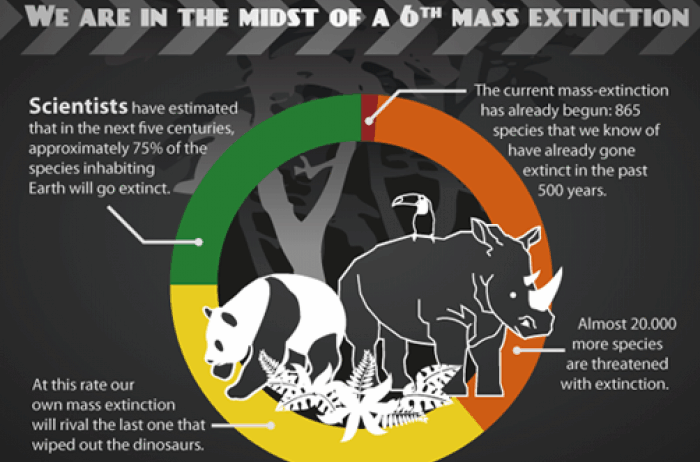

As the world grapples with the warming of our planet, an alarming phenomenon is underway that some experts are deeming a potential mass extinction event. While the term “mass extinction” might evoke visions of cataclysmic meteor strikes of yore, today’s threats to biodiversity are insidious, deeply rooted in human activity, predominantly exacerbated by global warming. As average global temperatures rise, ecosystems around the globe are being irrevocably altered, leading to the rapid decline of countless species. This predicament invites a profound examination of not just the environmental shifts but also the social and economic machinations driving these changes.
To understand the relationship between global warming and species loss, one must first appreciate the delicate balance of ecosystems. Each organism, no matter how minimal its perceived influence, plays a role in the intricate web of life. The extinction of a single species can reverberate through food chains, leading to unforeseen consequences on countless other organisms. For instance, the decline of pollinators such as bees, driven by habitat loss and climate change, threatens both flora and fauna that rely on these insects for reproduction. This illustrates the cascading effect where one species’ decline can precipitate a broader ecological crisis.
Global warming, primarily a result of anthropogenic greenhouse gas emissions, is responsible for rising sea levels, acidifying oceans, and increasingly erratic weather patterns. These changes create an inhospitable environment for many species, particularly those with specialized habitats, such as coral reefs, which are suffering from bleaching events due to higher temperatures and acidification. The vulnerability of these ecosystems is starkly revealing; what might seem a mere temperature change to humans can be catastrophic for marine life that has adapted over eons to specific conditions.
Another critical factor in the decline of species is habitat destruction, a procedure often facilitated by human development. Deforestation for agricultural expansion, urbanization, and industrial activities is not just about the physical loss of trees or plants; it represents the obliteration of entire ecosystems. As habitats are fragmented or eradicated, species are forced into closer proximity, leading to increased competition for dwindling resources. This situation can escalate to what ecologists term the “edge effect,” whereby species adapted to interior habitats are vulnerable to the harsher conditions that prevail at forest edges.
Moreover, the synergistic outcomes of global warming and habitat loss cannot be overstated. As temperatures rise, some species may seek refuge in cooler areas – for instance, moving to higher elevations or latitudes. However, this migration is not possible for all organisms, especially those that are limited by geographic or climatic barriers. As a result, many might simply face extinction. The concept of “climate refugia” refers to regions where conditions remain suitable for certain species, yet these areas are quickly diminishing due to human encroachment and climate change.
Species extinction can also be augmented by the introduction of invasive species, which often thrive in altered environments. Global warming can facilitate the spread of these invasive organisms, as warmer temperatures make previously inhospitable areas more welcoming. Indigenous species often lack the evolutionary defenses to compete with or fend off these newcomers, thereby exacerbating the decline of native populations. This phenomenon pulls the strings of a broader ecological imbalance, revealing the intricate interdependence of organisms within their environments.
The intricate connections between human economy and biodiversity loss reveal that our economic systems are often misaligned with the needs of the natural world. The prioritization of short-term profits over ecological integrity fosters a culture of exploitation rather than stewardship. For instance, industries reliant on fossil fuels contribute heavily to climate change while simultaneously peddling climate denial myths to obfuscate their negative impact. This systematic disinformation serves to delay crucial policy actions that could mitigate damage and safeguard biodiversity for future generations.
Education and awareness regarding the significance of biodiversity and the threats posed by global warming are imperative in catalyzing action. The plight of species loss calls for a concerted effort, not only by environmental activists but by those in positions of economic influence and policy-making. Educators, scientists, and communicators must rally to elucidate these interdependencies to a global audience. By fostering a sense of interconnectedness, individuals can be encouraged to advocate for more sustainable practices in resource usage, conservation efforts, and climate action initiatives.
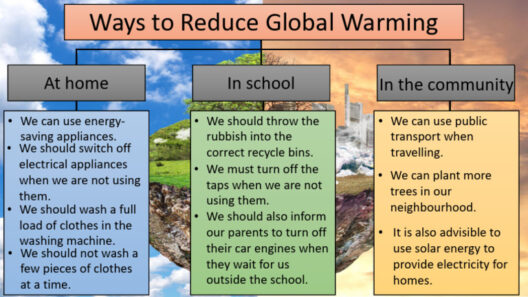
To address the impending species loss, initiatives such as reforestation, the establishment of wildlife corridors, and the promotion of sustainable agricultural practices must be integrated into global policies. Transitioning to renewable energy sources can mitigate the effects of climate change and lessen the pressures on both land and sea ecosystems. Furthermore, conservation programs aimed at protecting endangered species can provide critical support for those populations that are on the verge of extinction.
In coping with an alarming trajectory towards a potential mass extinction event, humanity stands at a critical juncture. The choices made today will resonate through the fabric of our ecological present and future. By recognizing the intricate layers of interdependence between climate change and species loss, we can begin to untangle the web of crisis that looms over our planet’s diverse inhabitants. Moreover, a commitment to fostering respect for biodiversity aligns with ethical responsibilities; safeguarding the myriad forms of life on Earth is integral not merely for their sake but for our own survival and the health of our planet.
The precipice of this crisis challenges us to reflect on our values and to redefine our relationship with nature. Even as the specter of mass extinction looms, the resolve to advocate for the planet creates a glimmer of hope. The push for greater awareness and proactive measures fosters the potential for recovery and resilience in the face of adversity. It falls upon every individual to engage with these urgent issues, for the preservation of life itself hinges upon collective action.