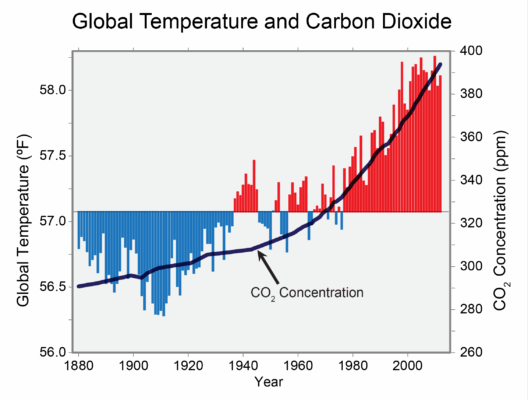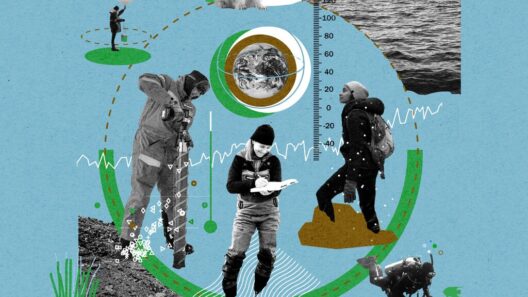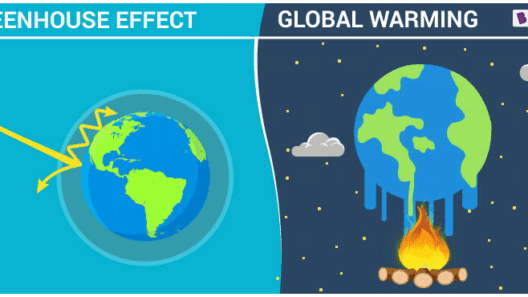


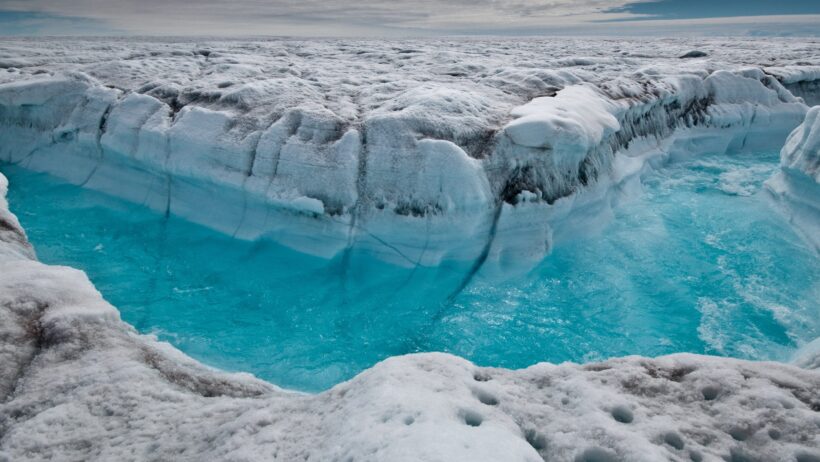

As the planet’s temperature rises due to the relentless accumulation of greenhouse gases, a palpable sense of urgency surrounds the fate of our global cryosphere—the cold, icy realms of the earth that are home to our polar ice caps and glaciers. We find ourselves grappling with a provocative question: What happens when the ice melts? The consequences of this metamorphosis bear significant ramifications for our climate, ecosystems, and ultimately, human civilization.
The polar regions, encompassing the Arctic and Antarctic, are particularly susceptible to the effects of climate change. The Arctic, in particular, has experienced alarming reductions in sea ice coverage, with the National Snow and Ice Data Center documenting a decline of over 40% since the late 1970s. Meanwhile, glacial retreat is not simply a phenomenon of the high latitudes but also affects alpine regions globally. When contemporary ice masses melt, they release trapped freshwater into our oceans, necessitating an understanding of the resulting phenomena: rising sea levels.
As glaciers and ice sheets contribute to increasing ocean volumes, research indicates that sea levels have risen on average by 3.3 millimeters annually over the past few decades. This seemingly innocuous rise may seem manageable; however, an alarming projection suggests that this figure could escalate dramatically if current trends continue unchecked. Coastal regions, where a significant portion of the world’s population resides, are starkly vulnerable, raising the stakes for humanity’s future as they brace for inevitable inundation.
Imagine the idyllic coastal cities we cherish, bustling port towns, and thriving ecosystems, soon to be subsumed by higher tides. This dystopian scenario raises pressing questions about our preparedness and resilience in the face of such overwhelming shifts. What if many of these areas become uninhabitable? According to recent studies, a scenario where the ice sheets of Greenland and Antarctica continue their relentless thawing could result in sea level rises upwards of 10 feet or more over the next century. This magnitude stands as a testament to the need for immediate and concerted action.
The cascading effects of these changes extend beyond mere statistics. Ecologically, higher sea levels compromise salt marshes, mangroves, and freshwater systems integral to diverse biodiversity. Many species depend on these habitats for survival, and as they recede, entire ecological networks face the threat of collapse. Species migration patterns, and even extinction rates, might escalate as wildlife struggles to adapt to shifting conditions.
The implications of melting ice are not constrained to direct ecological impacts. Human societies, particularly indigenous and marginalized populations, will bear the brunt of these transformations. They often inhabit vulnerable regions most prone to flooding and erosion, lacking the resources necessary to adapt effectively. It is imperative to consider their plight and engage them in discussions about climate justice and sustainable practices.
Aside from the immediate risks, the melting of polar ice and glaciers unearths a deeper existential crisis. The reflection of sunlight on ice, which helps to regulate temperatures through the albedo effect, diminishes as more surface area of open ocean is revealed. This shift exacerbates warming in a feedback loop, whereby increased temperatures lead to further ice melt, perpetuating a cycle that seems as unending as it is destructive.
In the quest for mitigation, transitioning to renewable energy sources and reforming carbon-intensive industries stand as essentials. Yet, individuals can contribute significantly by embodying sustainable practices: limiting plastic usage, reducing waste, and fostering energy conservation habits. It’s crucial to advocate for and invest in green infrastructure, and to support policies that promote sustainable development and climate adaptation.
International cooperation is indispensable in addressing climate change holistically. The Paris Agreement emphasizes the collective commitment of nations to restrict global temperature rise. However, the variance in responsibility and capability among developed and developing countries complicates this collaborative effort. To bolster these efforts, wealthier nations should enhance financial and technological support for sustainable development in the Global South, bridging the chasm between climate policy and practice.
While we grapple with these expansive challenges, scientific advancements continue to pave the way for innovative solutions. Geoengineering, albeit controversial, presents options to reverse or mitigate climate impacts. At the same time, preserving existing natural formations like wetlands and forests serves as a crucial buffer against the looming tide. By fostering nature-based solutions, society can work in tandem with ecological processes instead of against them.
In conclusion, the narrative of melting poles and rising seas encapsulates the multifaceted struggle against climate change. We face an escalating crisis that demands immediate attention and actionable solutions across diverse sectors. As the world witnesses unprecedented changes, each individual holds power to engender a sustainable future through responsibility and advocacy. Navigating this profound transition will inevitably require a concerted effort, wherein governments, communities, and individuals unite with a shared purpose: to protect our planet and ensure a habitable environment for generations to come. The question remains: Are we ready to confront this global challenge head-on, or will we allow the tides of change to sweep us into oblivion?