

As climate patterns transform in response to anthropogenic influences, the frequency and intensity of hurricanes appear to be rising significantly. This observation has engendered concern and fascination among scientists, policymakers, and everyday citizens alike. Questions abound: Are we encountering more hurricanes than ever? If so, how does climate change catalyze these fierce storms? This article examines the intricacies of hurricane formation, the role of climate change, and the consequential implications for humanity.
The bond between meteorological phenomena and environmental conditions is no mere coincidence; it is a confluence of atmospheric dynamics, oceanography, and climatic variability. Hurricanes, also known as tropical cyclones, form over warm ocean waters, absorbing energy from the sea and converting it into powerful winds and precipitation. As sea surface temperatures rise—a direct consequence of global warming—the potential energy available for these storms simultaneously escalates. This connection serves as the linchpin in understanding how climate change fuels a more tempestuous hurricane season.
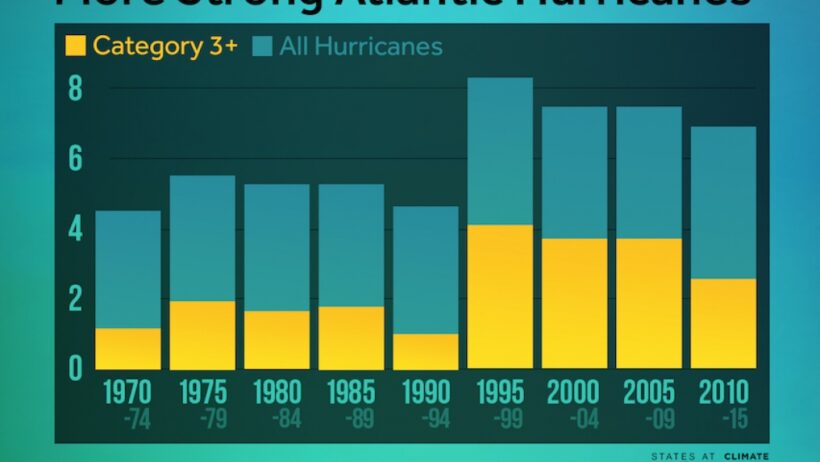
Several studies indicate a disturbing trend: as the planet warms, hurricanes are not only becoming more frequent but also exhibiting a propensity for greater intensity. The Saffir-Simpson Hurricane Wind Scale categorizes storms based on their maximum sustained winds, and historical data indicate a marked increase in the number of storms reaching Category 4 and Category 5 levels. This phenomenon is not coincidental; there are underlying mechanisms at play that warrant scrutiny.
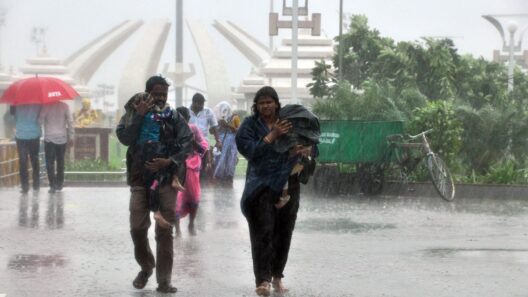
One pivotal factor is the increase in water vapor content in the atmosphere, which can amplify precipitation rates during hurricanes. Warmer air retains more moisture, leading to storms that are not only stronger but also produce more rainfall. This exacerbation of flooding is a particularly insidious outcome of climate change; cities unprepared for such deluges face severe consequences, raising the stakes for infrastructure and public safety.
The geographic footprint of hurricanes is also undergoing transformation. Studies suggest that climate change may expand the zones where hurricanes are likely to form and be sustained, pushing these storms further into territories that historically experienced minimal hurricane activity. This expansion threatens regions previously considered benign to tropical cyclones, making it imperative for local governments and communities to reassess their disaster preparedness and response strategies.
In addition to increasing intensity, climate change affects the duration of hurricanes. Warmer seas can enable storms to sustain their strength longer than before, potentially extending the storm season itself. As a result, vulnerable coastal communities may face a protracted period of threat each year. Concerns about the cumulative impact of seasonal hurricane threats are heightened, particularly in light of projected increases in both the frequency and severity of these weather events.
Furthermore, the compounding effects of rising sea levels, a direct result of climate change, augment the devastation wrought by hurricanes. Coastal areas are more susceptible to storm surges, which can inundate regions that were previously safe. The intersection of stronger storms and elevated sea levels creates a veritable “perfect storm” of risks that will increasingly challenge future urban planning and disaster response mechanisms. Efforts to shore up coastal defenses may be rendered futile under the weight of spiraling climate effects.
Nonetheless, while the scientific consensus acknowledges the relationship between climate change and the increasingly volatile nature of hurricanes, public perception often lags behind. Discourse surrounding climate change and its manifestations, such as hurricanes, is frequently clouded by misinformation or apathy. The veracity of climate science must be championed with diligence, emphasizing not only the empirical data but also the ethical imperative to mitigate this looming crisis.
Public awareness campaigns must articulate the significance of individual and collective action in combatting climate change. The dialogue must extend beyond the scientific community; it is incumbent upon educators, activists, and policymakers to foster an informed citizenry that recognizes their role in this existential struggle. From supporting renewable energy initiatives to advocating for sustainable practices, every effort counts in the broader narrative of climate resilience and adaptation.
Governmental policies must evolve in tandem with our understanding of climate dynamics. Investing in robust infrastructure designed to withstand severe weather, strategizing long-term land use, and prioritizing sustainable practices will be necessary to mitigate the impacts of increasingly intense hurricanes. Moreover, global cooperation is paramount; climate change knows no borders, and thus, collaborative international efforts are essential for equitable and effective solutions.
In conclusion, the question of whether there are more hurricanes than ever transcends mere observation; it encapsulates an urgent call to action. Climate change is not a distant threat—it is a contemporary reality that exacerbates natural disasters, including hurricanes. The multifaceted relationship between escalating ocean temperatures, increased atmospheric moisture, and the onset of catastrophic weather events underscores a compelling case for immediate collective action. To ignore these interconnections would be to flirt with disaster. It is a moral and ethical imperative to confront these challenges head-on, ensuring a habitable planet for future generations.