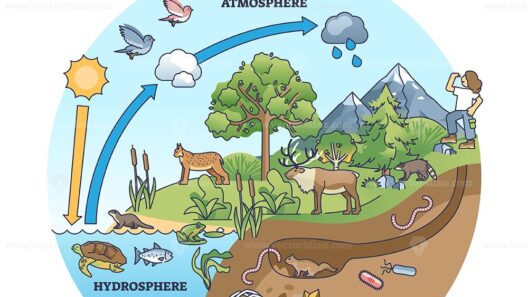

National parks hold an irreplaceable place in the tapestry of our natural world. Serving as sanctuaries for biodiversity, these protected areas captivate our imagination and invite us to experience profound connections with nature. However, beneath the allure of these pristine landscapes lies a disquieting reality: climate change is increasingly jeopardizing the very ecosystems they seek to preserve. As temperatures rise, weather patterns become erratic, and biodiversity faces existential threats, it becomes imperative to explore how climate change imperils our cherished national parks.
The phenomenon of climate change is multifaceted, characterized not only by rising global temperatures but also by a cascade of consequences. One observable effect is the alteration of ecosystems due to shifting climate zones. Many national parks are frontlines in this struggle, finding themselves at the mercy of an undeniable paradigm shift. Flora and fauna are not static; they respond to changing conditions. As a consequence, species that have thrived in specific climates for millennia are being forced to migrate or face extinction. In Yosemite National Park, for instance, the majestic Sequoiadendron giganteum, commonly known as the giant sequoia, is threatened by increased temperatures and prolonged droughts. These ancient trees, some over three thousand years old, are experiencing heightened vulnerability to diseases and pests.
Moreover, national parks are not immune to the increased frequency and intensity of extreme weather events. Wildfires, hurricanes, and flooding have become increasingly rampant as climatic conditions fluctuate. In Yellowstone National Park, wildfires that were once a natural part of the ecosystem are now occurring with alarming regularity and intensity. The consequences are dire. The delicate balance of the ecosystem is disrupted, affecting not only the flora and fauna but also the human communities that depend upon these natural resources.
The phenomenon of glacial retreat is another stark harbinger of climate change’s impact on national parks. Glaciers are not merely picturesque landscapes; they are vital freshwater sources for many ecosystems. The iconic glaciers of Glacier National Park, for example, have been receding dramatically. From over 150 glaciers in the early 20th century, fewer than 30 remain today, and scientists project that, at current rates, the park’s namesake glaciers may vanish entirely by the year 2030. This retreat not only endangers the local wildlife, including species like the mountain goat and grizzly bear, but also threatens water supply for nearby communities, agriculture, and recreational activities.
In addition to direct ecological consequences, the impacts of climate change exacerbate existing socioeconomic challenges. National parks serve as economic engines for their surrounding regions, drawing millions of visitors each year. However, as ecosystems falter under the pressures of climate change, the recreational opportunities that draw tourists to these parks may dwindle. A decline in biodiversity and habitat quality can lead to diminished wildlife watching experiences, hiking trails becoming less appealing due to erosion or flooding, and increased heat rendering summer visits uncomfortable or hazardous. The economic repercussions are significant; local businesses such as hotels, restaurants, and tour companies rely on the health of these natural attractions. The impacts of climate change thus ripple beyond the park boundaries, affecting entire communities and livelihoods.
Furthermore, indigenous communities, who have a deep-rooted connection to these lands, are facing unprecedented challenges in preserving their cultural heritage. Many tribal nations manage national park lands or share boundaries with them—these lands hold not only ecological value but also significant cultural and spiritual significance. As climate change alters the physical landscape, traditional practices, food sources, and cultural narratives tied to the land may be lost forever. The intersection of climate change and indigenous rights highlights a critical and often overlooked aspect of this global concern.
In light of such overwhelming challenges, proactive measures are essential to mitigate climate change’s adverse impacts on national parks. Conservation strategies must evolve to create resilient ecosystems and support biodiversity. This includes initiatives such as habitat restoration, implementing adaptive management practices, and developing comprehensive climate action plans. Furthermore, collaborations among governmental agencies, non-profit organizations, and local communities are crucial in fostering sustainable practices and promoting ecological education. Engagement in restoration projects not only benefits the environment but also cultivates ecological stewardship within the community.
Public awareness and advocacy play pivotal roles in preserving national parks in peril. By promoting sustainable tourism practices and emphasizing the significance of national parks in the broader context of climate action, individuals can contribute to the protection of these vital landscapes. Educating the public about the realities of climate change fosters a sense of agency, empowering communities to demand policy changes and support initiatives that prioritize both conservation and climate resilience.
In conclusion, national parks stand as symbols of our natural heritage, embodying the intricate relationship between humanity and the environment. Yet, as climate change mounts its relentless assault on these cherished landscapes, we must confront the myriad challenges that lie ahead. By understanding the complexities of this crisis and advocating for sound environmental policies, we can strive to protect and preserve the integrity of our national parks. The task ahead is daunting, but through collective action and sustained commitment, we may yet safeguard these irreplaceable treasures for generations to come.