
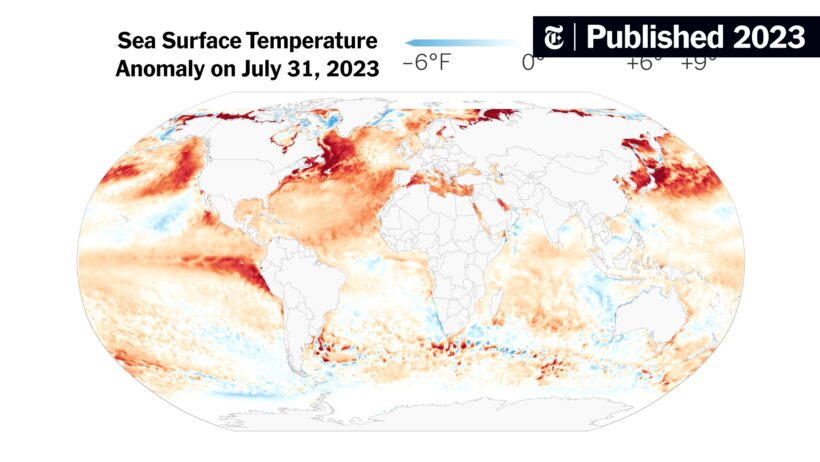

In recent years, the phenomenon of rising ocean temperatures has garnered significant attention, becoming emblematic of the broader impacts of climate change. The world’s oceans, vital to the health of our planet, are heating up at an unprecedented rate. This worrying trend evokes a sense of urgency, bringing into focus the intricate interplay between marine ecosystems, atmospheric conditions, and anthropogenic influences. To comprehend the ramifications of these elevated sea temperatures, it is essential to dissect the underlying factors contributing to this alarming situation.
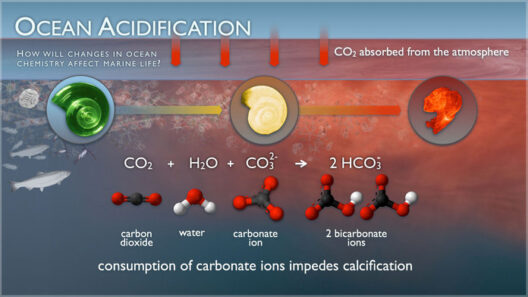
Firstly, the oceans are absorbing approximately 30% of the carbon emissions produced by human activity. Consequently, this absorption leads to a phenomenon known as ocean acidification, which adversely affects marine life, particularly organisms with calcium carbonate shells, such as corals and certain shellfish. As carbon dioxide dissolves in seawater, it lowers the pH, creating a more acidic environment that can impede the ability of these organisms to thrive. As coral reefs, often referred to as the “rainforests of the sea,” begin to suffer, the ramifications extend throughout the marine ecosystem, affecting fish biodiversity and the livelihoods of communities reliant on fishing.
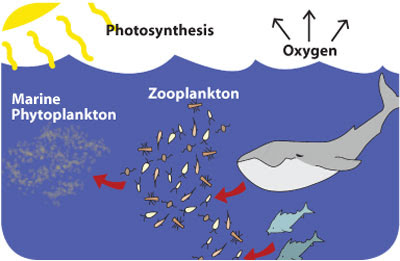
The heat absorbed by the oceans does not merely reside on the surface; it penetrates deeper, exacerbating the thermal stratification of ocean waters. This stratification can disrupt the vertical mixing of ocean layers essential for nutrient circulation. Phytoplankton—the foundation of the oceanic food web—depends on this mixing to access the nutrients found deeper in the ocean. Disrupted nutrient flow can lead to diminished phytoplankton populations, which in turn affects species higher up the food chain, including commercially significant fish species. There is a stark connection between these rising temperatures and food security; as fish stocks dwindle, communities that depend on these resources face increased vulnerability.
Furthermore, warmer oceans contribute to the increase in frequency and intensity of extreme weather events. The connection between ocean temperatures and atmospheric conditions is profound. Warmer ocean waters fuel hurricanes and typhoons, allowing them to gather more energy and moisture, which results in catastrophic storms with consequential human and ecological costs. These extreme weather events perpetuate a cycle of destruction, where coastal communities face the brunt of climate-induced calamities, leading to displacement and loss of infrastructure.
The reverberations of rising sea temperatures extend beyond immediate environmental concerns. They interplay with socio-economic dynamics, particularly in vulnerable regions that lack the resources to adapt to such rapid changes. The small island nations, for instance, grapple with existential threats due to rising sea levels and changing marine ecosystems. Traditional ways of life are jeopardized as fish stocks migrate to cooler waters, leaving local fishers with dwindling catches. Consequently, food security becomes a pressing issue, underscoring the urgent need for global cooperation in addressing climate change.
Moreover, the phenomenon of marine heatwaves warrants particular attention. These temporary periods of exceedingly high temperatures can have devastating impacts on marine biodiversity. Such events lead to mass coral bleaching, with corals expelling their symbiotic algae, resulting in loss of color and, crucially, loss of their primary energy source. This cascading effect endangers the biodiversity that thrives on coral reefs and threatens the livelihoods of millions worldwide who depend on these ecosystems for sustenance and income.
As we reflect on the broader implications of hotter oceans, it is imperative to recognize their role as critical indicators of climate health. Sea surface temperatures are closely monitored by scientists as they can signal shifts in climatic patterns. A rise in temperature can correlate with changing weather patterns, illustrating the interconnectedness of the Earth’s systems. The oceans act as both a climate regulator and a climate change amplifier, encapsulating the dual role they play in environmental dynamics.
The fascination with the oceans, while rooted in their beauty and mystery, is now steeped in urgency. The vibrant marine life that captivates our attention harbors a fragility that is increasingly tested by warming waters. As these ecosystems struggle to adapt, we witness the unfolding of a narrative that could dictate the future of our planet. Protecting these vital waters is not merely an environmental issue; it represents a pathway to sustainable futures for all life on Earth.
In conclusion, the rising temperatures of the oceans are a clarion call to humanity. A deeper understanding of how these changes influence ecological balance, weather patterns, and human livelihoods is essential for addressing the climate crisis. Immediate actions are imperative, encompassing both mitigation strategies and adaptive management to protect our oceans. As stewards of the planet, it becomes our collective responsibility to confront this intricate web of challenges and work collaboratively to preserve the integrity of our oceans for generations yet to come. Without concerted efforts, the consequences of inaction will echo across ecosystems, economies, and communities globally.