

In the grand tapestry of our planetary ecosystem, the dietary choices of a nation resonate like the ripples of a stone cast into a placid pond. The American diet, particularly its voracious appetite for beef, reverberates through the corridors of climate change, exacerbating global warming with each sizzling steak, each charred burger. The quintessential image of a backyard barbecue belies a profound reality—our plates are inextricably linked to the health of our planet.
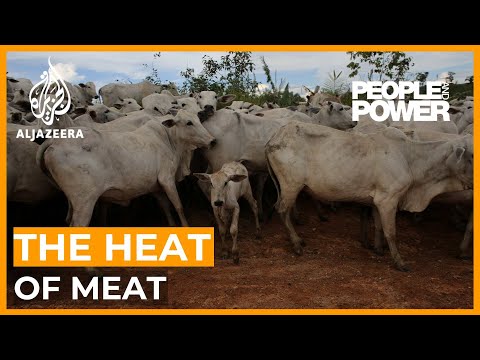
The beef industry stands as a titan of agriculture, a colossal figure whose shadow looms large over environmental sustainability. It operates within a complex matrix of economic drivers, cultural preferences, and nutritional considerations. However, the scale of its impact on the climate is undeniable. From the methane emissions of cattle to the deforestation for grazing lands, the repercussions of beef production unfurl like a sprawling set of dominoes, each falling piece contributing to a grand narrative of ecological imbalance.
Foremost, we must confront the staggering amounts of greenhouse gases emitted by livestock farming. Globally, the livestock sector accounts for a significant portion of anthropogenic greenhouse gas emissions, predominantly in the form of methane—a gas over twenty times more potent than carbon dioxide in its heat-trapping capabilities. Methane is liberated during digestion as ruminants like cows process their food. As they burp, they metaphorically contribute to the smog of climate crisis swirling above us. This natural process, while essential for their biology, has surged to become a major player in the theater of global warming.
Moreover, the cultivation of feed crops for livestock further intensifies agricultural carbon footprints. Vast swathes of land are dedicated to growing grain such as corn and soybeans, which are often genetically modified and require heavy applications of fertilizers. These fertilizers emit nitrous oxide, another potent greenhouse gas. The intersection of feed crop cultivation and beef production paints a grim picture; as the demand for beef escalates, the environmental cost fattens in lockstep.
Alongside methane and nitrous oxide emissions, the agricultural machinery and transport involved in the beef supply chain perpetuate the cycle of pollution. Fossil fuels power tractors and trucks, while the refrigeration processes necessary for meat preservation leach energy. Each step from farm to fork accumulates a carbon footprint that rivals that of entire nations. The mighty beef industry, while often lauded for its economic contributions, must face scrutiny for its environmental ramifications.
Deforestation is yet another grim chapter in this narrative. Rainforests, once lush and teeming with biodiversity, are cleared at alarming rates to accommodate cattle ranching. The Amazon, often referred to as the “lungs of the Earth,” is a prime battleground in this war against climate change. The loss of trees not only decreases carbon sequestration capabilities but also disrupts ecosystems, leading to the extinction of countless species and irreversibly altering weather patterns. Agriculture has converted an estimated 70% of previously forested land in the Amazon into pasture or cropland. In essence, each beef burger becomes a token of deforestation, a bite wrapped in layers of ecological degradation.
It is essential to realize that we are at a pivotal juncture; our dietary decisions have the power to influence the trajectory of our planet. Various studies have underscored the benefits of reducing meat consumption—specifically beef—highlighting how even incremental changes can yield significant environmental benefits. A shift toward plant-based diets is not a call for sacrifice but an invitation to embrace a new culinary palette. The enticing diversity of grains, legumes, vegetables, and fruits offers a cornucopia of flavors that can satisfy even the most ardent of meat lovers.
The allure of vegetarian and vegan cuisines has gained traction, showcasing dishes that are vibrant, nutritious, and utterly satisfying. From hearty lentil stews to rich chickpea curries, these meals not only tantalize the taste buds but also contribute to the mitigation of climate change. With each plant-based dish consumed, an act of rebellion is performed against the environmental devastation embodied by conventional beef production. With every vegetable eaten, one diminishes the demand for beef, leveraging personal choices to effectuate larger systemic change.
Moreover, local agriculture emerging as a movement serves to reforge connections between consumers and producers, fostering a commendable shift away from the industrialized food system that often prioritizes efficiency over sustainability. Community-supported agriculture (CSA) programs provide consumers with seasonal produce directly from local farms, thereby reducing transportation emissions associated with long-distance beef supply chains. Supporting these initiatives cultivates a sense of stewardship over the land, encouraging sustainable farming practices that prioritize ecological balance.
We must also engage in advocacy for policy changes that support sustainable agricultural practices and the promotion of plant-based diets. Legislators must be incentivized to create frameworks that reward farmers for adopting regenerative methods, planting cover crops, and implementing agroforestry. By aligning economic incentives with environmental stewardship, policymakers can help mitigate the harmful impacts of the beef industry and catalyze a transition toward sustainability.
In concluding this exploration, it is evident that our plates possess the power to shape not just our health, but the health of our planet. The metaphorical act of choosing between a beef-laden plate and a vibrant array of plant-based options symbolizes a pivotal battle in the climate crisis. In the confrontation between culinary tradition and environmental necessity, our choices echo through the ages. The urgency of addressing climate change has never been more palpable. By reimagining our diets and embracing sustainable practices, we can fortify both our health and our planet’s future. Our plates, indeed, are intertwined with the fate of our Earth.