


Our planet is undergoing a profound transformation, manifesting in erratic weather patterns, unprecedented heatwaves, and devastating natural disasters. Climate change has ceased to be an abstract threat; it has solidified into an omnipresent reality, reshaping ecosystems and human societies alike. This discourse will aim to elucidate the extensive repercussions of our warming world, addressing how these changes intricately interlink with socio-economic structures, health outcomes, and biodiversity losses.
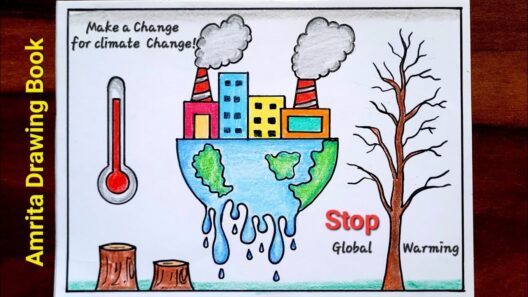
One of the most conspicuous consequences of climate change is the increase in average global temperatures. The Earth has already warmed by approximately 1.1 degrees Celsius since the pre-industrial era. Such a temperature rise, while seemingly trivial, has catalyzed a series of catastrophic effects. For instance, the melting of polar ice caps is emblematic of this warming, resulting in rising sea levels that jeopardize coastal cities worldwide. The Intergovernmental Panel on Climate Change (IPCC) warns that if current trends continue, sea levels could rise by up to two meters by 2100, affecting millions of people, particularly in nations with low-lying regions.
Alongside rising sea levels, we are witnessing the alarming phenomenon of extreme weather events. Hurricanes and typhoons have grown in intensity, fueled by warmer ocean waters. The catastrophic hurricanes of recent years, characterized by increased rainfall and wind speed, underscore the intersection between rising sea temperatures and intensified storm systems. Moreover, droughts have become more acute, exacerbating water scarcity in various regions. As freshwater supplies dwindle, the competition for water resources escalates, creating potential for conflict and strife.
The ramifications of climate change extend beyond mere physical destruction; they permeate socio-economic frameworks. Agriculture, the backbone of many economies, is particularly vulnerable. Crop yields are projected to decline due to the dual pressures of changing rainfall patterns and increased temperatures. This precarious situation threatens food security, particularly in developing countries that depend heavily on agriculture. The specter of famine looms as staple crops such as wheat and rice face diminished productivity under stress conditions, compelling the need for innovative agricultural techniques and climate-resilient crops.
Moreover, the health implications of climate change are alarming. An increase in heat-related illnesses, respiratory disorders, and vector-borne diseases are becoming commonplace. The rise in atmospheric temperatures facilitates the proliferation of disease-carrying organisms, such as mosquitoes, which thrive in warmer conditions. Diseases like malaria and dengue fever are projected to encroach on territories that were once hospitable. The strain on healthcare systems intensifies as populations grapple with these newly emergent health crises.
Biodiversity, the delicate tapestry of life on Earth, is also severely compromised. Habitat destruction, driven by climate change, poses an existential threat to myriad species. Ocean acidification, resulting from increased carbon dioxide absorption by the oceans, is detrimental to marine life, particularly coral reefs. Coral bleaching events are a testament to this crisis, with entire ecosystems unraveling as temperature thresholds are breached. Losing biodiversity not only diminishes the beauty of our natural world but also disrupts ecosystem services that support human existence, such as pollination and clean water provision.
The moral imperative to address climate change also raises poignant questions regarding social justice. Vulnerable populations, particularly those in the Global South, often bear the brunt of climate impacts despite contributing the least to emissions. Displacement due to rising sea levels and extreme weather exacerbates existing inequalities, igniting discussions about climate refugees and the obligations of developed nations to support those most affected. The intersectionality of climate change with gender, race, and economic status demands nuanced policy responses to ensure equitable outcomes and resilient communities.
Transitioning towards an sustainable future necessitates multifaceted solutions. Mitigating climate change requires a concerted effort across various sectors, from energy to transportation to urban planning. The shift from fossil fuels to renewable energy sources is paramount. Solar, wind, and hydropower technologies present viable alternatives to significantly reduce greenhouse gas emissions. Furthermore, energy efficiency initiatives in homes and industries can mitigate waste, fostering a culture of sustainability.
In addition to mitigation, adaptation strategies are essential to manage the effects of climate change already in motion. This includes developing infrastructure capable of withstanding extreme weather events, enforcing sustainable agricultural practices, and enhancing water management systems. Urban planning must incorporate climate resilience to safeguard cities from flooding and heatwaves. Community engagement is crucial; grassroots movements can galvanize collective action and encourage sustainable practices at the local level.
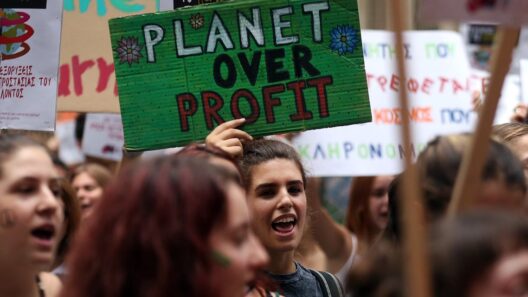
Education and advocacy are also pivotal in instigating societal change. Raising awareness about the realities of climate change and inspiring action can engender a culture of environmental stewardship. Policies facilitating public transportation, incentivizing green technologies, and preserving natural habitats can all play a role in fostering sustainability.
In conclusion, the far-reaching consequences of climate change are fundamentally altering our world. From ecological perturbations to social disparities, the effects are interconnected and indiscriminate. Addressing these issues requires urgency, collaboration, and innovation. By acknowledging the profundity of climate change and taking decisive action, we can strive to protect our planet and secure a sustainable future for generations to come.