

Global warming has permeated various facets of contemporary life, and it is a subject of both intrigue and concern across the globe. As temperatures continue to rise, the ramifications on our planet’s ecosystems, weather patterns, and human societies are becoming palpable. The science behind climate change is robust, foreboding, and essential to comprehend as we confront this existential threat.
To understand global warming, one must first grasp the fundamental principles of climate science. The Earth’s atmosphere is composed of several gases, primarily carbon dioxide (CO2), methane (CH4), and nitrous oxide (N2O), which naturally trap heat from the sun; this phenomenon is known as the greenhouse effect. Without these gases, the planet would be inhospitably frigid. However, anthropogenic activities, such as fossil fuel combustion, deforestation, and industrial processes, have substantially increased the concentration of these greenhouse gases. This enhancement of the greenhouse effect catalyzes a troubling ascent in global temperatures, manifesting in a myriad of observable phenomena.
The stakes are monumental. Rising global temperatures contribute to more severe weather events, including droughts, hurricanes, and floods. A report from the National Oceanic and Atmospheric Administration (NOAA) highlights that the frequency and intensity of these extreme weather phenomena have escalated alarmingly over recent decades. For instance, warmer sea temperatures serve as a precursor to hurricane intensity, amplifying the destruction wrought by these natural disasters. Economically viable regions that once thrived may face devastation, leading to the potential displacement of millions.
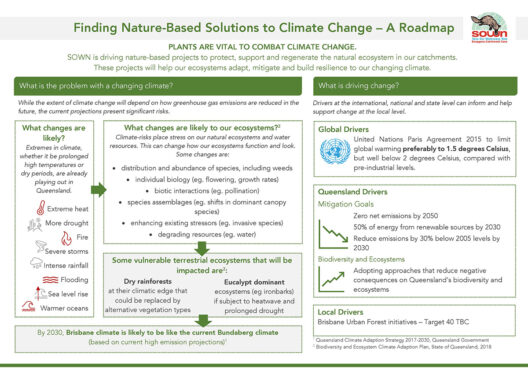
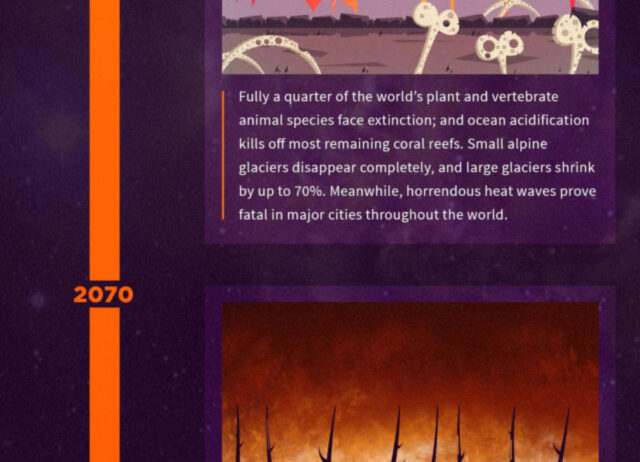
Moreover, ecosystems are undergoing profound changes. Coral reefs, often termed the “rainforests of the ocean,” face severe bleaching due to elevated sea temperatures and acidification. These vibrant ecosystems provide a sanctuary for numerous marine species, but their decline threatens biodiversity, fisheries, and coastal communities reliant on them. The terrestrial domain is not exempt from similar upheaval. Forests, wetlands, and grasslands all undergo shifts in species distribution and ecosystem services due to climate change. Moreover, the loss of biodiversity diminishes nature’s resilience, impacting food security and human health.
It is crucial to acknowledge the human dimension of climate change. Vulnerable populations—particularly in developing nations—are disproportionately affected by its impacts. In regions already grappling with poverty and limited resources, exacerbated climate variability can precipitate food scarcity, health crises, and socio-economic instability. Climatic stressors can instigate conflict over dwindling resources, further entrenching inequalities. As urbanization continues to burgeon, cities must reckon with the implications of heat waves, flooding, and infrastructure strain due to climate-related events.
Despite the grim realities of climate change, there is a growing body of solutions that offer pathways toward a more sustainable future. Transitioning to renewable energy sources is paramount. Technology around solar, wind, and hydropower has advanced significantly, making it feasible—and often economically advantageous—to reduce reliance on fossil fuels. Investing in clean energy technologies not only curtails greenhouse gas emissions but also promotes energy independence and job creation.
Furthermore, enhancing energy efficiency is another critical strategy. Modifications in building codes and appliances, coupled with innovative technologies, can substantially decrease energy consumption. The adoption of electric vehicles (EVs) has the potential to revolutionize transportation, reducing urban air pollution and dependence on oil. When paired with renewable energy sources, the benefits multiply exponentially.
Additionally, reforestation and afforestation efforts are instrumental in combating climate change. Trees sequester carbon dioxide, serving as vital carbon sinks. Implementing sustainable land management practices can restore degraded ecosystems, enhancing carbon capture while promoting biodiversity. Simultaneously, innovative agricultural practices such as agroforestry and permaculture bolster soil health and contribute to resilient food systems.
Policy measures are equally crucial in orchestrating a coordinated global response to climate change. Governments must prioritize environmental legislation that promotes emission reductions, incentivizes clean energy investments, and holds polluters accountable. International agreements, such as the Paris Agreement, underscore the importance of collective action among nations. By committing to scientifically grounded targets, countries can align their efforts toward a common goal: limiting global temperature rise to well below 2 degrees Celsius above pre-industrial levels.
Public engagement and education are vital components of mobilizing a societal response to climate change. Amplifying awareness around the urgency of the climate crisis galvanizes individual and collective action. People can integrate sustainable practices into their daily lives, such as reducing waste, supporting local and ethical products, and advocating for policies that mitigate climate impacts. Grassroots movements have shown tremendous power in influencing legislation and corporate behaviors, highlighting the undeniable connection between public sentiment and policy.
To navigate the complexities and challenges of climate change requires an unwavering commitment to science, collaboration, and innovative thinking. The stakes could not be higher; our planet’s health, the well-being of future generations, and the stability of global societies hang in the balance. By embracing scientific knowledge and leveraging available solutions, humanity has the capacity not only to stave off catastrophe but to cultivate a more vibrant, equitable, and sustainable world.