

Overfishing has long been regarded as a dire environmental issue, threatening marine biodiversity and the economic viability of fishing communities worldwide. But did you know that overfishing has an insidious connection to global warming? It’s a complex relationship that not only affects fish populations but also has far-reaching implications for our climate. This raises a compelling question: how might our choices regarding seafood consumption inadvertently exacerbate climate change?
To understand this connection, one must first acknowledge the staggering extent of overfishing. According to various studies, approximately 90% of the world’s fish stocks are overexploited, fully exploited, or depleted. This depletion disrupts not only marine ecosystems but also the delicate balance of carbon cycling within the oceans. Fish play a crucial role in this process, primarily through their interactions with other marine life and their contribution to nutrient cycling.
Marine ecosystems, particularly coral reefs and seagrass beds, serve as significant carbon sinks. These ecosystems absorb substantial amounts of carbon dioxide from the atmosphere, effectively reducing greenhouse gas concentrations. However, overfishing diminishes the populations of herbivorous fish, such as parrotfish and certain types of surgeonfish. These fish are vital for maintaining healthy seagrass and coral reef ecosystems. Without them, these areas become overgrown with algae, which can smother coral and reduce habitat complexity. A decline in coral reefs and seagrass ecosystems leads to diminished carbon sequestration capability, thus exacerbating global warming.
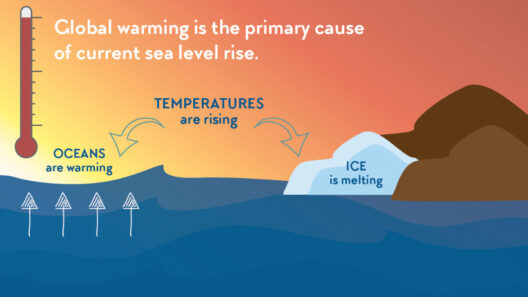
Moreover, the fishing industry itself is not immune to the impacts of climate change. As ocean temperatures rise, fish distributions are shifting, leading to changes in catch patterns and economic pressures. Fishermen are finding it increasingly challenging to locate and catch fish, resulting in more destructive fishing practices. This includes deep-sea trawling, which not only destroys marine habitats but also releases significant amounts of carbon trapped in ocean sediments. Ironically, the tools and methods employed to adapt to climate-induced shifts in fish populations can further contribute to the very problem they aim to mitigate.
Let’s put this into perspective. Imagine a world where the oceans are teeming with diverse fish populations, contributing to healthy marine ecosystems that actively sequester carbon. Now contrast this with a future where overstressed oceans struggle to support life, creating conditions that facilitate further climate warming. The path we choose to pursue regarding our fishing practices is crucial. It presents a unique challenge: how do we balance the nutritional needs of a growing global population with ecological sustainability?
Addressing overfishing’s hidden costs requires a multi-faceted approach that encompasses sustainable fishing practices, global cooperation, and conscious consumer choices. Sustainable fishing seeks to maintain fish populations at healthy levels while ensuring that the broader marine ecosystem remains intact. Efforts such as marine protected areas (MPAs), catch shares, and seasonal closures play a vital role in allowing fish stocks to regenerate and ecosystems to flourish.
In addition to changes in fishing practices, education and awareness around seafood choices can significantly affect demand for overfished species. The proliferation of eco-labeling initiatives allows consumers to make informed decisions about the sustainability of their seafood. This encourages fisheries to adopt better practices, incentivizing a transition toward more environmentally responsible methods. Imagine the impact if a significant portion of the global populace shifted their seafood consumption to sustainably sourced products. The potential for positive change could be transformative.
Additionally, addressing the socioeconomic aspects of overfishing plays a vital role in driving meaningful change. Many communities around the globe rely on fishing as their primary source of income, leading to a dilemma: how do they provide for their families while also conserving finite marine resources? By investing in alternative livelihoods, offering support for sustainable aquaculture, and enhancing local governance structures, communities can transition from overdependence on wild fisheries toward more resilient economic models.
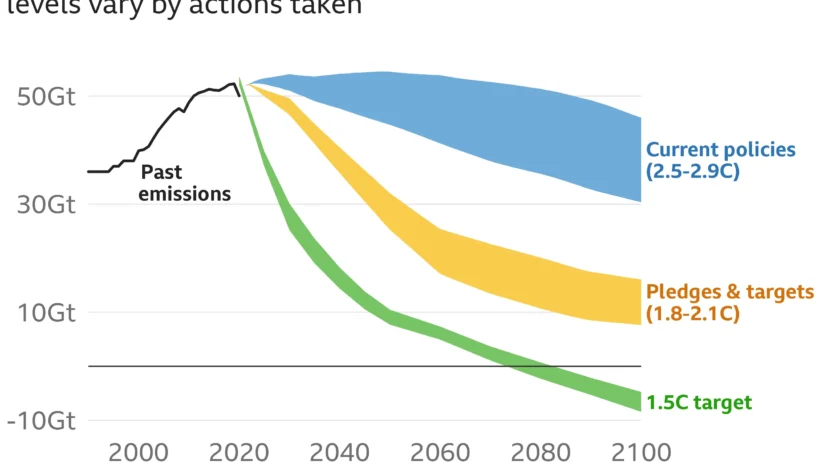
The urgency of the situation cannot be understated. As climate change advances, both the frequency and intensity of extreme weather events increase, further jeopardizing marine ecosystems. The tragic irony lies in the fact that our attempts to compensate for the losses incurred by overfishing often entail practices that deepen the crisis—creating a vicious cycle of depletion and destruction. To disrupt this cycle, we must embrace a holistic approach that recognizes the intertwined fates of marine health and global climate stability.
To build momentum towards ocean conservation, global leaders must commit to international agreements that address overfishing and climate change concurrently. Initiatives such as the United Nations Sustainable Development Goals (SDGs) provide a framework for fostering collaboration among nations to protect marine ecosystems while promoting economic and social benefits. The integration of science into policymaking will be crucial to ensure that decisions are based on empirical data and long-term ecological health rather than short-term economic gains.
Ultimately, the hidden costs of overfishing extend beyond marine biodiversity into the very fabric of our climate system. The choices we make today will resonate across generations, shaping the future health of our oceans and the overall climate. The challenge is clear: we must reevaluate our relationship with seafood and the oceans at large, safeguarding their bounty for future generations while addressing the existential threat of climate change. Will we rise to meet that challenge? Only time will tell.