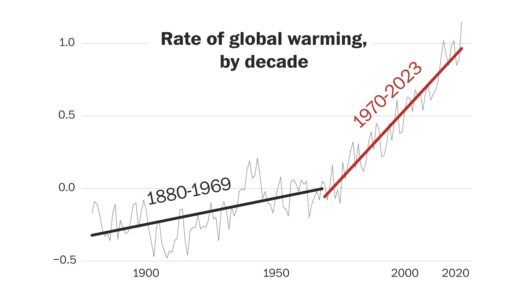




Global warming is no longer a distant threat; it is an unequivocal reality that is compelling humanity to confront its consequences. Among the myriad of ecological disparities wrought by this inexorable phenomenon, the impact on plant communities warrants a closer examination. Plants, the very foundation of most terrestrial ecosystems, are not merely passive participants in climate dynamics; they are integral players that influence and sustain life on Earth. Yet, with rising temperatures, shifting precipitation patterns, and increasing carbon dioxide levels, plant communities find themselves in a perilous situation, facing unprecedented challenges.
The essence of biodiversity lies in the intricate web of life, where each species, each plant, contributes to the ecological tapestry. These plant communities are vital for several ecological functions, including carbon sequestration, soil preservation, and the provision of habitat for a myriad of organisms. However, climate change poses a direct threat to their stability and resilience. As temperatures soar, plant phenology—such as flowering times and seed germination—becomes disrupted. This misalignment in life cycles can lead to detrimental consequences for entire ecosystems, compromising the mutualistic relationships between plants and the pollinators that depend on them.
One striking example is the temperate deciduous forests, which have long served as repositories of biodiversity. Warmer temperatures have shifted the geographic range of many tree species northward, while others, unable to adapt, face extinction. The complexity of these ecosystems is such that the loss of one tree species may resonate throughout the food web, affecting mammals, birds, insects, and even microorganisms. The cascading effects reach far beyond the individual species at risk, highlighting the interconnectedness of life.
Moreover, the impact of global warming is not constrained to temperate regions; the effects are omnipresent in tropical rainforests, often referred to as the planet’s lungs. These ecosystems, rich in biodiversity, are particularly vulnerable. Elevated temperatures increase the susceptibility of many tropical plant species to diseases and pests. Simultaneously, changes in rainfall patterns can lead to drought stress, complicating the food web and threatening the flora and fauna that call these environments home. Specifically, the intricate relationships between flowering plants and their pollinators are in jeopardy as climate-induced shifts alter flowering times and the availability of food sources.
The subterranean realm also faces considerable upheaval. Mycorrhizal fungi, which form symbiotic relationships with plant roots, are integral to nutrient uptake and soil health. The microflora beneath the surface is sensitive to changes in temperature and moisture, which can disrupt these associations. As soil health declines, so does the capacity of these ecosystems to sustain plant diversity. The ramifications extend to agricultural productivity, threatening food security—a pressing issue in an age where the global population continues to rise.
In the face of these challenges, some plant species exhibit remarkable resilience and adaptive capabilities. These so-called “climate-ready” species can survive in altered environments, demonstrating genetic plasticity and phenotypic flexibility. However, their ability to dominate in changing ecosystems leads to a homogenization of plant communities, diminishing the richness of biodiversity. Such an outcome not only alters ecosystem services but also challenges existing conservation strategies, as fragmented habitats become increasingly categorized by invasive species and monocultures.
The phenomenon of climate-induced migration cannot be overlooked. As plant species strive to maintain their ecological niches, many are forced to migrate poleward or to higher elevations in search of suitable habitats. This shift can create intense competition with resident species, potentially leading to the extinction of less adaptable flora. Such migrations highlight the urgency for conservation policies that are responsive to these changes, promoting habitat connectivity to facilitate the survival of diverse plant communities.
Furthermore, the implications of global warming extend to plant reproductive strategies. Many plants rely on specific environmental cues to time their reproductive cycles, ensuring that their seeds germinate under optimal conditions. Climate change disrupts these cues, resulting in asynchronous reproduction and decreased reproductive success. This disruption can lead to population declines, further accelerating the loss of biodiversity and threatening the resilience of entire ecosystems.
As we observe these changes, it is essential to recognize the need for proactive and innovative conservation strategies. Given that plant communities direct the flow of energy through ecosystems, the preservation of biodiversity should remain a paramount objective. Approaches such as restoration ecology and rewilding have gained traction as methods to reinvigorate landscapes altered by human activity. Planting native species, particularly those identified as resilient to climate change, can foster ecosystem recovery and bolster the capacities of ecosystems to withstand future climatic shifts.
In summary, the peril that befalls plant communities due to global warming cannot be overstated. The interconnectedness of biodiversity amplifies the impact of climate change, producing rippling effects that resonate through entire ecosystems. As temperatures rise and habitats transform, a grim reality looms for many plant species. Nevertheless, the potential for adaptation and resilience exists within these communities. By prioritizing biodiversity conservation, implementing innovative ecological strategies, and fostering public awareness, there is hope to mitigate the repercussions of climate change on the fragile tapestry of life that sustains our planet. It is time to shift our perspective and recognize that the fight against global warming is not merely an environmental issue; it is an existential challenge that demands our immediate attention and action.