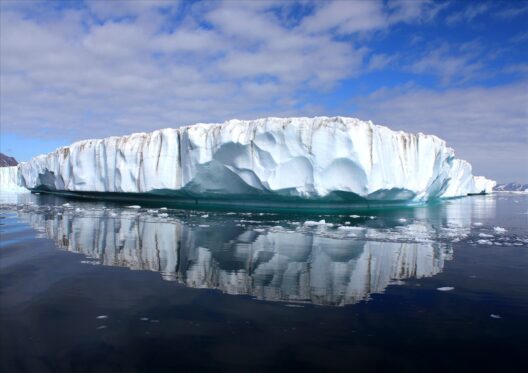


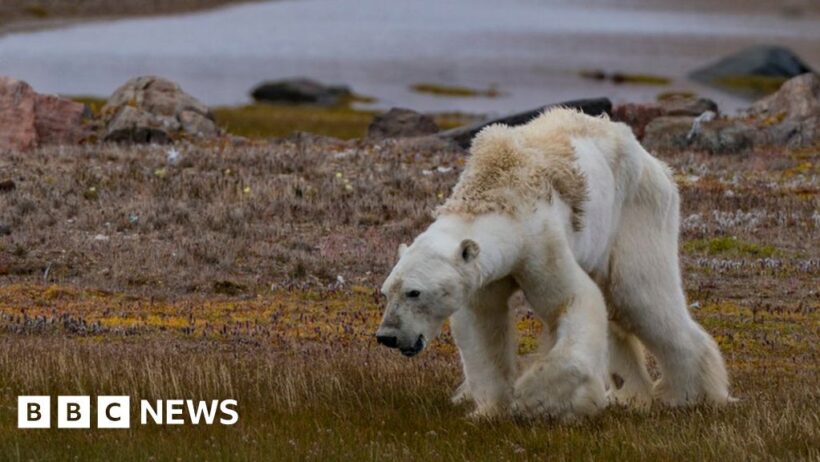

Polar bears have become emblematic of the devastating effects of climate change. As apex predators in their Arctic habitat, they embody the broader ecological shifts exacerbated by global warming. These majestic mammals, solely adapted to thrive in frigid environments, now find themselves on the precipice of extinction. The relentless thawing of Arctic ice poses not just a threat to polar bears, but to the entire biodiversity of the region, highlighting a pressing and profound crisis that demands immediate attention.
The polar bear (Ursus maritimus) has evolved over millennia to navigate the challenging conditions of its icy habitat. With a diet primarily consisting of seals, particularly ringed seals which require sea ice to breed, polar bears depend on stable ice platforms for hunting. However, as global temperatures continue to rise due to anthropogenic greenhouse gas emissions, sea ice is retreating at an alarming rate. Studies have shown that Arctic sea ice extent has declined by over 40% since the 1980s, rendering traditional hunting grounds inaccessible. As a result, polar bears are frequently forced to swim long distances between ice floes or resort to scavenging, which diminishes their chances of survival.
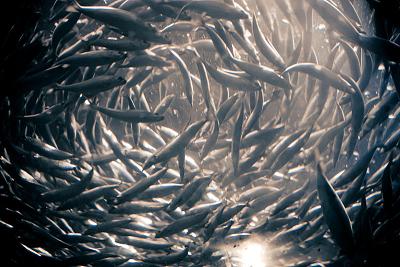
The implications of decreased sea ice extend beyond the immediate dietary concerns of polar bears. These conditions disrupt the entire Arctic food web. As bears struggle to locate food, their physical health deteriorates. Malnourished bears may not reproduce successfully, leading to declining populations. Furthermore, the shifting landscape affects other species that inhabit the Arctic. For instance, seals and seabirds, which also rely on stable ice, experience declining habitats. Ecosystem interdependencies mean that as one species falters, so too do others, compounding the overall impact of climate change.
Additionally, the phenomenon of ‘climate change refugees’ among polar bears has emerged. As ice retreats northwards, bears are increasingly coming into contact with human settlements, leading to human-wildlife conflicts. In some instances, polar bears may venture into towns in search of food, resulting in dangerous confrontations and necessitating interventions. Such occurrences not only endanger human populations but also further antagonize the already precarious survival of these bears. Measures to contain polar bear populations or relocate them often do not yield sustainable solutions, as the root problem of habitat loss remains unaddressed.
Moreover, climate change exacerbates other challenges for polar bears, including pollution and oil exploration. Oil spills and toxic waste can significantly harm the health of polar bears, poisoning their food sources and disrupting their environments. Accidental oil spills can have catastrophic effects that reverberate through the ecosystem for years. Furthermore, the Arctic is increasingly viewed as a target for industrial development. As ice melts, new shipping routes and resource extraction opportunities are emerging, posing an additional threat to polar bear populations and their habitats. The intersection of climate action and industrial interests creates a complex dilemma.
The urgency of addressing climate change and its impact on polar bears cannot be overstated. Solutions require a multi-faceted approach, combining conservation strategies with climate action policy. Protecting essential habitats is paramount. Marine protected areas and stronger fisheries management tactics can help facilitate the recovery of polar bear populations. Conservation groups are working tirelessly to monitor these magnificent creatures, providing crucial data to inform policy decisions.
In the realm of mitigation, reducing greenhouse gas emissions is critical. Transitioning to renewable energy sources and implementing energy-efficient practices on a global scale are imperative to combatting climate change. Awareness and education play a pivotal role in this transformation. By informing the public about the plight of polar bears and the implications of climate change, we can foster a conservation ethic and garner support for legislative changes. Initiatives aimed at engaging local communities in conservation efforts can result in empowered populations capable of enacting change.
International collaboration is also essential. Climate change knows no borders; thus, fostering cooperative efforts between countries is vital. Agreements such as the Paris Agreement emphasize the need for global action against climate change. Countries must commit to ambitious targets for emission reductions, recognizing the critical threat of climate change not just to polar bears, but to global biodiversity and human well-being as well.
In conclusion, polar bears stand as a testament to the stark reality of climate change. Their survival hinges on global efforts to mitigate carbon emissions, preserve their icy homes, and safeguard the intricate balance of the Arctic ecosystem. The imminent loss of this species would not only represent an ecological tragedy but would also signify a broader failure to confront one of the most pressing challenges our planet faces today. It is imperative to acknowledge that the fate of polar bears serves as both a warning and a rallying cry, calling for decisive action to ensure the preservation of our planet’s ecosystems for generations to come.