


In the grand opera of our planet, pollution emerges as the dissonant chord that disrupts the symphony of life. It is an insidious specter, a tangible reminder of our unrelenting consumerism and disregard for ecological balance. As we delve deeper into the intricate relationship between pollution, the greenhouse effect, and global warming, we uncover not only the ramifications of our waste but also the formidable price we pay for our negligence.
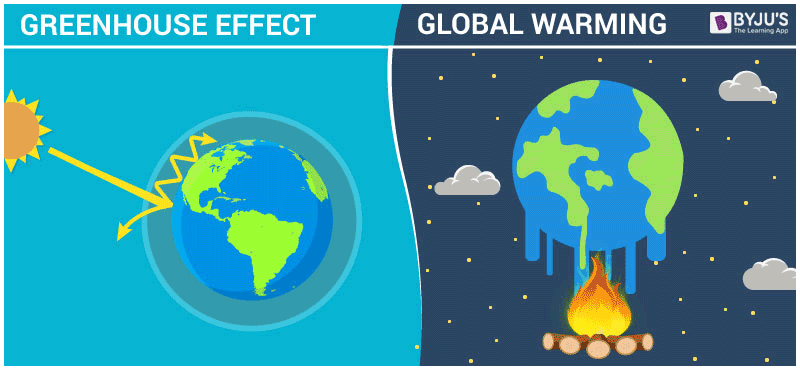
The greenhouse effect operates as Earth’s thermal blanket, a natural phenomenon wherein certain gases, through the atmosphere’s embrace, trap heat and maintain a habitable climate. However, much like a weighted quilt that becomes increasingly oppressive, anthropogenic pollution exacerbates this process, rendering the atmosphere a vessel of excess warmth. Carbon dioxide (CO2), methane (CH4), and nitrous oxide (N2O)—the notorious trio—ascend into the stratosphere, thumbing their noses at the delicate balance that sustains life. Their prevalence, a testament to civilization’s frenetic pace, serves as a megaphone for the perils of pollution.
Consider the metaphor of a garden. An unkempt garden, riddled with weeds, becomes inhospitable for flora, disrupting the harmony where sunlight, soil, and water convene. Pollution acts as these pernicious weeds, chocking the environment and engendering a cascade of consequences that culminate in dire climatic shifts. Our waste, a byproduct of convenience, is the malicious fertilizer that nurtures this unruly growth.
Plastic, a testament to human ingenuity, now suffocates aquatic ecosystems, transforming vibrant reefs into graveyards of encumbering materials. These remnants weave a tapestry of toxicity, creating microplastics that infiltrate the food chain, ultimately gracing our plates while clandestinely sabotaging ecological health. The repercussions are not merely local; they reverberate globally, manifesting in diminished biodiversity and the fragility of marine life.
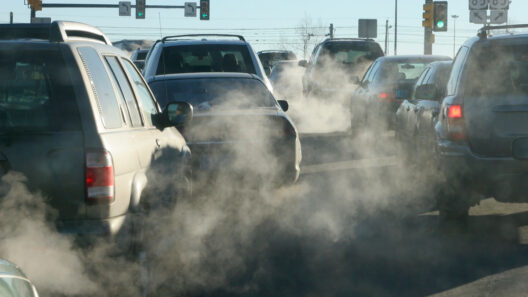
Air pollution, another consequence of industrialization, manifests as a noxious canopy veiling cities around the world. The combustion of fossil fuels—coal, oil, and gas—releases particulates and gases that infiltrate our lungs, disrupting respiratory functions and precipitating health crises. Each breath taken amidst this haze extracts a toll not only on human life but also on the planet’s metabolism, as the atmosphere becomes thickened with pollutants. The result is a vicious cycle: the sicker we become, the more resources we deplete, further aggravating the very pollution that threatens our existence.
The nexus of pollution and global warming is further illuminated by the agricultural sector. Fertilizers, while designed to bolster food production, emit nitrous oxide—a gas with a global warming potential over 290 times that of carbon dioxide over a century. This dichotomy presents a poignant quandary: our quest for sustenance fuels the very forces that may ultimately endanger our ability to derive sustenance. As we grapple with this irony, the footprints of our choices cast long shadows over future generations.
Nevertheless, not all is bleak; solutions lie embedded within our grasp. Transitioning to renewable energy forms—solar, wind, and hydro—holds the promise of a cleaner future, a bright horizon unencumbered by the asphyxiating grip of fossil fuel dependency. Similarly, adopting sustainable agricultural practices can mitigate emissions, transforming our contributions from pollutants to eco-guardians. The circular economy emerges as an antidote to waste, encouraging recycling, repurposing, and reduced consumption, a paradigm that fosters a symbiosis between humans and the environment, rather than the antagonism we currently witness.
However, the responsibility to mitigate pollution should not fall solely on individual actions; systemic change is paramount. Policymakers must forge robust environmental policies that hold industries accountable for emissions and incentivize sustainable practices. The enactment of stringent regulations on waste management, coupled with community engagement, can galvanize collective action. Education, too, plays a pivotal role; instilling awareness about the ramifications of pollution can ignite a grassroots movement, transforming passive individuals into buoyant advocates for change.
Moreover, the age of technology offers novel avenues for addressing pollution. Innovations in carbon capture and storage (CCS) pave the way for retrofitting industrial processes, allowing us to siphon off emissions before they escape into the atmosphere. Smart technology can optimize energy usage, while apps tracking waste can empower consumers to make informed decisions that alleviate their environmental footprints.
The price of pollution reaches beyond mere monetary costs; it represents the tangible degradation of our environment and health. This multifaceted crisis necessitates an immediate awakening, a clarion call for action that reverberates globally. By confronting pollution’s price head-on and fervently pursuing sustainable alternatives, we can collectively weave a tapestry that celebrates rather than stifles life. It is within this tapestry that hope resides, stitching together the aspirations of current and future generations.
In conclusion, the intertwining narratives of pollution, the greenhouse effect, and global warming serve as a compelling reminder of our interconnectedness with nature. Each decision we make wields the power to either fuel the flames of climate change or extinguish them. The call to action is clear: we must transcend the allure of convenience to embrace our role as stewards of the Earth. Only then can we hope to reclaim the symphony of life, fostering an environment that nurtures rather than suffocates. The choice rests with us, and the time for action is now.