


The inexorable advance of technology has irrevocably altered our world. With every keystroke on a computer, stunning feats of connectivity and knowledge arise. However, this relentless drive towards innovation often veils an unsettling truth: the insatiable appetite for energy that accompanies our digital lifestyle. As we entwine ourselves deeper within the realms of computers and networks, it becomes increasingly vital to address our collective impact on energy consumption and, by extension, our delicate environment. Computers can be both harbingers of change and instruments for conservation, reshaping our approach to energy use in innovative ways.
The phenomenon of computers utilizing vast amounts of electricity is not merely a modern conundrum; rather, it has deep roots extending back to the advent of computing technology in the mid-20th century. These devices were designed to amplify human capabilities, from computational tasks to complex simulations. Yet, with great power comes a considerable energy demand. Each desktop, laptop, and server primarily draws energy that emits greenhouse gases, contributing to climate change. It is this paradox that incites much fascination: how something seemingly innocuous has an enormous environmental footprint.
Observably, the increasing prevalence of computer usage catalyzes an explosion in energy consumption. Recent reports suggest that data centers and personal devices consume approximately 10% of global electricity. This mere statistic evokes a critical contemplation regarding energy conservation and sustainability. Given the escalating urgency caused by climate change, we must reassess our relationship with technology and consider alternative paradigms that edify both users and the biosphere.
One remarkable strategy in energy conservation lies in the potential for energy-efficient computing. Innovations in hardware, such as the implementation of low-power processors and energy-saving components, usher in the age of sleek computing without compromising performance. These advanced systems challenge the status quo and epitomize the quest for efficiency. When consumers choose energy-rated devices, they indirectly participate in an ecosystem designed to mitigate energy consumption and stimulate mindfulness of resources.
Moreover, the evolution of software presents another avenue for reducing energy impact. Optimization techniques have afforded software developers the ability to create applications that require less processing power. By encouraging simpler coding architectures, programmers can fashion applications that perform efficiently, ultimately reducing the burden on hardware as well as energy systems. The integration of artificial intelligence can facilitate these processes further. For instance, AI can autonomously adjust resource allocations based on usage patterns, ensuring performance efficacy while tempering the overarching energy demand.
Additionally, virtualization technology emerges as a panacea for energy inefficiencies, particularly within corporate ecosystems. By enabling multiple virtual machines to operate simultaneously on a single physical server, companies can significantly diminish their power consumption. This consolidation minimizes the number of physical machines required while enhancing operational capacity. As organizations become more cognizant of their ecological consequences, the shift towards virtualization reflects a conscientious approach to sustainability.
In tandem with hardware and software improvements, behavioral shifts also warrant consideration. A prevailing notion among digital users revolves around the perpetuation of ‘always-on’ devices, resulting in an extensive energy drain. Encouraging individuals to power down machines when not in use cultivates a culture of energy awareness. This practice, while seemingly trivial, can yield substantial cumulative effects, ultimately contributing to resource conservation. Furthermore, routines such as employing power-saving settings or utilizing smart power strips examine how conscious consumer behavior can mitigate energy wastage.
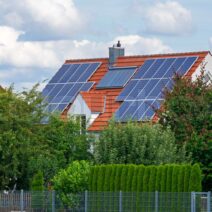
Another pivotal element in this narrative is the burgeoning sector of renewable energy solutions. The proliferation of solar panels, wind turbines, and other green resources offers an inspiring alternative to the long-standing reliance on fossil fuels. An increasing number of companies and households are adopting renewable energy systems, powering their digital apparatus and infrastructure with clean, sustainable energy. This transition not only alleviates the burden on conventional grids but simultaneously fosters a deeper connection between technology and environmental stewardship.
The role of education and advocacy cannot be overstated in this context. As awareness regarding climate change intensifies, educational campaigns directed towards promoting energy efficiency and sustainability can further galvanize public consciousness. Engaging communities through workshops, seminars, and online resources fosters a spirit of collaboration. This collective effort can cultivate a generation of tech-savvy individuals who embrace environmentally responsible practices as second nature.
As we peer into the horizon of this digital age, the intersection between computers and energy conservation becomes ever more pronounced. From innovative hardware and software solutions to behavioral changes and the adoption of renewable energy, each facet illustrates a holistic response to the growing threat of climate change. The fascination with computers, once solely focused on their capabilities and aesthetics, must evolve into a dialogue surrounding their environmental implications.
In conclusion, to harness the latent potential within our computing devices to champion environmental conservation is paramount. As we navigate the labyrinthine landscape of technology, we must remain vigilant stewards of our resources. By embracing a culture of energy efficiency and renewable practices, we can metamorphose our obsession with technology into a force for environmental good, ensuring that future generations inherit a vibrant and sustainable planet. In the intricate dance of human innovation and nature’s equilibrium, it is incumbent upon us to find harmony, ultimately reaffirming our commitment to preserving the earth for years to come.