


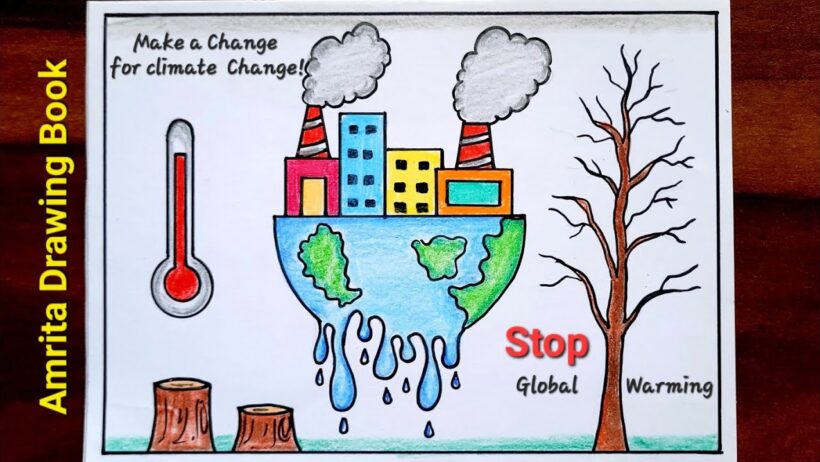

As the clarion call for environmental sustainability grows louder, the maxim “Reduce, Reuse, Recycle” emerges as a fundamental mantra in combating global warming. It serves as a guide to re-examine our consumption practices and encourages proactive measures to mitigate environmental degradation. But how deeply can one individual’s actions influence the vast, intricate constellation of our climate crisis? The playful question beckons: what if everyone adopted these three simple yet transformative principles? Entering this potential challenge carries the promise of monumental change.
To embark on this journey, one must first grasp the essence of reducing consumption. At its core, the goal is to diminish the quantity of waste created. This reduction isn’t merely about cutting back on tangible items like packaging or plastic straws; it extends into the ephemeral realms of energy and water usage. For instance, consider the energy consumption of a typical home. By substituting incandescent bulbs with energy-efficient LEDs, a household can reduce its energy consumption significantly while also lowering greenhouse gas emissions. It’s a small step that resonates widely—a mere flick of a switch can reverberate through the planet.
Further, consider the voracious appetite for fast fashion, which perpetuates a cycle of overproduction and waste. By opting for fewer, high-quality garments that stand the test of time, one not only reduces waste but also combats the environmental impact of textile production, which contributes to pollution and carbon emissions. Above all, the art of reduction extends to mindfulness—being conscious of needs versus wants. This internal dialogue can lead to profound lifestyle changes, fostering a culture of intentionality rather than impulsivity.
The second pillar, reuse, invites a reimagining of everyday objects. How many times have you emptied a glass jar only to toss it into a recycling bin? What if that jar could serve another purpose? This shift—viewing items through a lens of potential rather than disposability—opens a world of creativity. Reusing materials not only conserves resources but also reduces energy consumption associated with manufacturing new products. From transforming tin cans into planters to fashioning old t-shirts into reusable shopping bags, the possibilities are boundless. The charm of reinvention lies in its dual capacity to minimize waste and unleash creative potential.
Moreover, organizations and businesses increasingly embrace the principles of reuse. Coffee shops that offer discounts for bringing reusable mugs, or companies that encourage employees to adopt ‘bring your own container’ policies, epitomize how collective participation can effectuate substantial change. The community benefits from increased engagement, and the environment reaps rewards as waste generation diminishes. It is an empowering notion: by leaning into reuse practices, individuals and communities can create a robust resistance against the insidious tide of single-use culture.
The third tenet, recycle, is perhaps the most recognizable of the trio. However, misconceptions often cloud its execution. Recycling is not merely the act of discarding materials into blue bins; it entails understanding the processes behind material recovery. Plastics, paper, metals—each has distinct recycling protocols and capacities. The sheer diversity of materials calls for consumer education about local recycling systems. This is where informed citizenship becomes crucial. Take the time to familiarize oneself with local recycling guidelines; this knowledge empowers individuals to participate actively in sustainability efforts.
At times, confusion arises regarding the viability of recycling certain items. For example, not all plastics can be recycled through standard municipal programs. By understanding the numerical codes on plastic containers and advocating for increased access to recycling for non-traditional materials—like polystyrene—individuals can help bridge the gap in current systems. Recycling is a resource-intensive process; introducing products back into the manufacturing cycle is delicate and costs time and energy. Nonetheless, the impact is significant when done correctly, lending life to materials that would otherwise languish in landfills.
As complexities deepen in the narrative of sustainability, one must acknowledge that these three principles do not exist in isolation. The interconnectivity of reduction, reuse, and recycling fosters a more profound dialogue about responsible consumption. The environmental ramifications of our choices unfold across expansive timelines and influence generations to come. Picture a ripple effect: one decision made by an individual can inspire others, fostering a collective commitment to a sustainable future.
Yet, this leads to another playful inquiry—how frequently do we pause to consider the life cycle of products before making purchases? The challenge rests in scrutinizing our habits and embracing a conscious approach to consumption. One might contemplate how humorous it is to bypass convenience for sustainability or how liberating it feels to declutter and donate unused items instead of discarding them. In this age of consumerism, opting for a sustainable lifestyle could come with challenges, but the rewards—a cleaner planet, thriving ecosystems, and a healthier future—are undeniably worth it.
In conclusion, the principles of reducing, reusing, and recycling provide a robust framework for combating global warming. Each step taken in this direction lessens our carbon footprint and contributes to a collective movement toward sustainability. The journey begins with a single decision, an invitation to challenge oneself and inspire others. Are you ready to embrace these principles and create a ripple of change in your community? The imperative for action is now, and the world awaits the creative solutions that individuals will unfurl.