

Rice, an indispensable staple for over half of the world’s population, cultivates not only sustenance but also engenders complex interactions with our environment. Amidst rising temperatures and shifting climatic patterns, the cultivation of paddy rice has emerged as a significant contributor to global warming, presenting a paradoxical relationship that warrants examination. It’s crucial to understand how paddy fields, which seemingly harbor ecological benefits, can also participate actively in exacerbating climate change.
The practice of paddy cultivation is intricate, involving fields that remain submerged in water for extended periods. This flooding creates an anaerobic environment conducive to the proliferation of methanogenic bacteria, organisms that thrive in oxygen-deprived conditions. The anaerobic decomposition of organic matter produces methane, a greenhouse gas estimated to be 28 to 36 times more effective than carbon dioxide at trapping heat in the atmosphere over a century. The dynamics of this natural process are significantly influenced by management practices, rice varieties, and environmental conditions, complicating the narrative surrounding rice cultivation.
Globally, rice paddies account for approximately 10% of total methane emissions. This statistic underscores the alarming implications of rice cultivation on climate. Methane emission rates fluctuate based on factors such as water management, soil type, and agricultural practices. For instance, continuously flooded fields tend to produce higher methane emissions, whereas intermittent wetting and drying practices have demonstrated potential in reducing these emissions significantly. Yet, the transition to these alternative practices requires systemic changes in farming techniques and policy interventions, which are often met with resistance due to economic imperatives and established farming traditions.
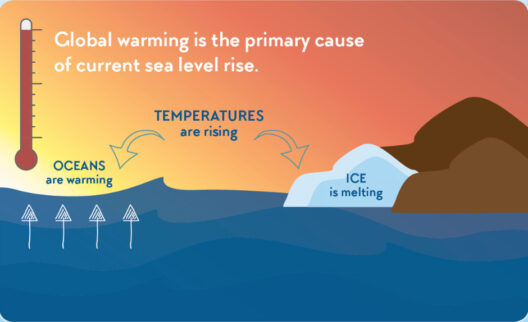
Additionally, the phenomenon of warming temperatures creates a feedback loop that exacerbates methane production. Higher temperatures can enhance the metabolic rates of methanogenic microbes, potentially increasing methane emissions from rice paddies. As global temperatures continue to rise, it is critical to scrutinize how these changes will interact with existing agricultural practices and what adaptations might be necessary for sustainable rice production.
Beyond methane, paddy cultivation also influences carbon dioxide emissions, albeit in more subtle ways. The management of rice cultivation often necessitates the use of fertilizers, which, when synthesized, release nitrous oxide into the atmosphere—a potent greenhouse gas with a global warming potential roughly 298 times greater than carbon dioxide. Thus, the reliance on synthetic fertilizers in paddy cultivation compounds the overall greenhouse gas emissions profile associated with rice farming.
Notably, the impact of paddy fields extends beyond direct emissions of methane and nitrous oxide. The transformation of landscapes for paddy production can lead to the loss of carbon sinks. Wetlands, which naturally sequester carbon, are often drained or otherwise modified to create irrigation infrastructure. This transition not only releases stored carbon but also diminishes the land’s capacity to absorb future carbon emissions, undermining its ecological resilience.
Critically, the socioeconomic dimensions of paddy cultivation cannot be disregarded. Millions of farmers depend on rice as their primary source of income. Therefore, strategies aimed at reducing methane emissions must balance environmental imperatives with economic realities. Policymakers face the daunting challenge of incentivizing sustainable practices that minimize methane emissions without jeopardizing food security or the livelihoods of rural communities. Innovations in agricultural technology, such as the development of methane-resistant rice varieties and improved water management techniques, represent promising avenues for reconciling these tensions.
Moreover, education and community engagement play pivotal roles in addressing the challenges posed by paddy cultivation and climate change. Raising awareness about the implications of traditional farming practices and providing farmers with the knowledge and tools necessary to implement sustainable methods is crucial. Collaborative efforts that unite farmers, agricultural extension services, and environmental organizations can foster a more sustainable approach to rice production.
The discourse around rice fields and climate change is multifaceted and fraught with contradictions. The fascination with paddy cultivation arises from its vital role in food security and cultural heritage, yet this same practice bears the responsibility of significant greenhouse gas emissions. Understanding this duality invites deeper contemplation about the future of agriculture in an era of climate change.
As global temperatures continue to rise, the necessity for adaptive strategies becomes increasingly urgent. Implementing practices such as alternate wetting and drying, integrated pest management, and agro-ecological systems can pave the way for a more sustainable rice production model. These approaches not only have the potential to mitigate greenhouse gas emissions from rice paddies but also promote biodiversity and enhance soil health.
In conclusion, while paddy cultivation is undoubtedly central to food production, it is imperative to confront the associated environmental challenges. By recognizing the significant role that rice fields play in climate change dynamics, society can better navigate the complexities of agricultural practices and their climatic ramifications. The path forward must integrate ecological considerations, socioeconomic realities, and innovative solutions to foster a more sustainable future for rice cultivation that contributes to environmental stewardship rather than exacerbation of global warming.