


The science of energy conservation and transformations is an intricate dance between the forces that drive our universe. Picture energy as an ever-flowing river, coursing through the landscapes of our existence. It ebbs and flows, changing form, yet obeys the immutable laws of thermodynamics. To understand this river, we must delve into its tributaries—how energy is conserved, transformed, and utilized across various domains.
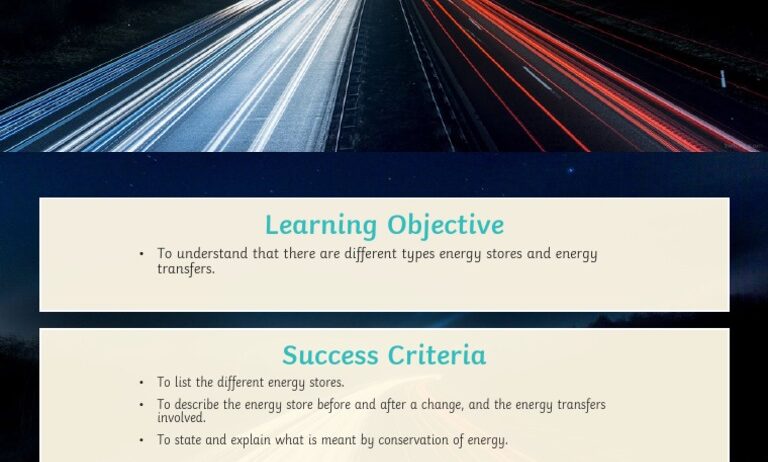
At its core, energy exists in various forms: kinetic, potential, thermal, chemical, electromagnetic, mechanical, and nuclear, each possessing distinct characteristics and roles. Kinetic energy is the vigor of moving bodies, reflecting their mass and velocity, while potential energy is the latent power, akin to water held behind a dam, poised to unleash its force. The transformation of energy between these states illuminates the profound notion that energy is neither created nor destroyed; it simply transforms, a principle articulated in the first law of thermodynamics.
We inhabit an age where conservation of this energy river is not merely a suggestion but an imperative. With fossil fuels depleting at an alarming rate and renewable resources struggling for dominance, the need to conserve energy is paramount. The second law of thermodynamics introduces us to the concept of entropy—the tendency of energy to disperse and spread out. This natural tendency, similar to the dissolution of a sugar cube in water, implies that energy transformations are inherently inefficient, thus necessitating methods to maximize efficiency and minimize waste.
The energy transformation process operates seamlessly within the confines of our daily lives. Consider the humble incandescent bulb, the once-beloved source of light that has gradually surrendered its reign to more efficient technologies such as LEDs and CFLs. This transition serves as a microcosm of energy transformation: electrical energy is converted into light energy, but along the way, a significant portion is lost as heat energy—an inefficiency that has spurred innovation and urgency within the field.
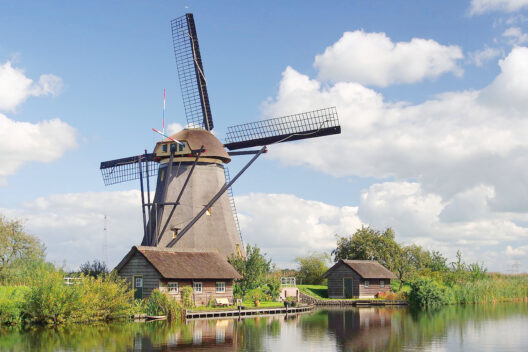
Renewable energy sources emerge as formidable champions in the battle against energy waste. Solar power, wind energy, hydroelectricity, and geothermal energy represent the alchemy of nature, transforming sunlight, wind, water flow, and heat from the Earth into usable energy forms. These sources not only promise sustainability but also embody the essence of energy conservation by minimizing reliance on fossil fuels and reducing greenhouse gas emissions. The photovoltaic cells of solar panels capture sunlight, transforming it directly into electricity, thus harnessing a renewable resource with negligible environmental impact.
The intricate machinery of energy systems, whether natural or human-made, demonstrates that energy transformations are seldom straightforward. The process of photosynthesis is a testament to nature’s ingenuity, where plants convert solar energy into chemical energy, storing it in carbohydrate bonds. This cycle, though ancient, is fundamental to life on Earth, emphasizing the interconnectedness of energy systems. The energy captured by plants becomes the foundation of the food chain, illustrating the ripple effect of energy transformations through the biosphere.
On a macro scale, energy conservation requires systemic changes at the societal level. Efficient transportation systems, smart grids, and sustainable urban planning embody the ethos of conservation. Electric vehicles, for instance, represent a shift from traditional internal combustion engines to energy-efficient alternatives, curbing fossil fuel dependency. The concept of “smart energy” systems embodies an interconnected approach, integrating various energy sources, storage solutions, and consumption patterns to optimize energy usage in real-time.
The intrinsic value of energy conservation extends beyond mere economics; it encapsulates environmental stewardship. The quest for energy efficiency leads to reduced carbon footprints, diminished air pollution, and a sustainable ethos that resonates across generations. By embracing energy-saving practices, whether through the implementation of energy audits or the adoption of sustainable materials in our homes, we become stewards of the Earth, actively participating in the transformation of our environment.
Moreover, the role of policy and technology in advancing energy conservation cannot be overstated. Governments worldwide are recognizing the need to incentivize energy-efficient practices, promote research and development, and establish stringent regulations to reduce energy consumption. The integration of innovative technologies such as artificial intelligence and the Internet of Things (IoT) allows for real-time monitoring and optimization of energy use, transcending traditional methodologies and propelling humanity towards a sustainable future.
In conclusion, the science of energy conservation and transformations is an enduring saga, marked by dynamic interactions, pioneering technologies, and a collective commitment to safeguarding our planet. As we navigate the currents of this river, we must remain vigilant, for every decision we make influences the larger environmental landscape. Embracing a culture of energy conservation fosters resilience, bolsters our ability to combat climate change, and ensures that future generations inherit a world teeming with possibility—fueled by the very energy that shapes our existence.