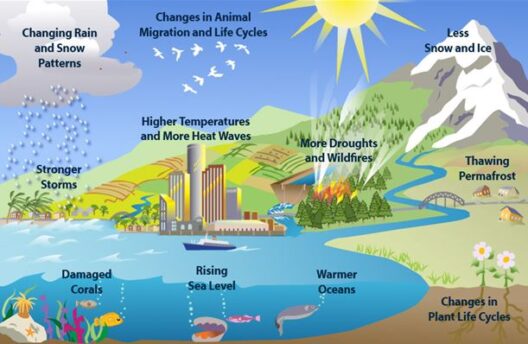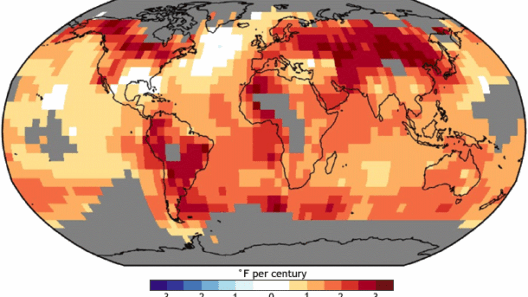



As the Earth continues to warm, the oceans, which encompass over 70% of our planet, are being irrevocably altered. Among the most affected denizens of these marine environments are sea turtles, ancient mariners navigating turbulent waters of unprecedented change. The interrelationship between global warming and these extraordinary reptiles sheds light on broader ecological impacts, beckoning us to reassess our stance on marine conservation.
Firstly, it is essential to comprehend the vital role that sea turtles play within marine ecosystems. These creatures serve as both grazers and predators, contributing to the balance of the marine food web. Green turtles, for example, feast on seagrass, promoting vibrant underwater habitats that benefit myriad species. Similarly, loggerhead turtles regulate jellyfish populations, ensuring these free-floating organisms do not overwhelm local ecologies. Thus, the plight of sea turtles resonates far beyond their survival; it intertwines with the health of the oceans at large.
At the forefront of the challenges posed by climate change is the rising temperature of ocean waters. Warmer seas not only threaten the physical resilience of sea turtles but also disrupt their reproductive patterns. Research reveals a startling phenomenon: the temperature of sand where turtle eggs are laid plays a decisive role in determining the sex of hatchlings. Warmer sands tend to produce more females, leading to skewed sex ratios. This imbalance raises alarms about future populations and the genetic diversity critical to resilience against disease and environmental shifts.
Furthermore, rising sea levels, a direct consequence of climate change, pose additional threats. Coastal nesting sites are increasingly inundated, jeopardizing the reproductive cycles of sea turtles. Habitats once safe for nesting are transformed into hostile environments—nesting sites vanish, leading to a decline in hatchling success rates. This aspect of global warming harbors implications far beyond immediate survival; it alters migration patterns and threatens the long-standing nomadic legacies of these marine reptiles.
Moreover, the alteration of ocean currents and the associated shifts in prey availability complicate the challenges faced by these turtles. As marine temperatures rise, many species of fish and invertebrates migrate to cooler, deeper waters. Many sea turtles depend on these marine species for sustenance; thus, the trophic cascade resulting from climate change can have detrimental effects on their feeding habits and migration routes. The intricate web of marine life reveals how interconnected our natural world is, underscoring the necessity of conservation efforts.
One of the more insidious effects of global warming is ocean acidification, a product of increased carbon dioxide levels. The absorption of CO2 by the oceans leads to a decrease in pH levels, inhibiting the ability of marine organisms, particularly those with calcareous shells, to thrive. Sea turtles themselves may not be directly affected in a similar manner; however, the negative impact on the overall marine biodiversity could ripple through the food chain, affecting their survival indirectly. The co-dependencies of marine species highlight an urgent call for climate action that transcends individual species considerations.
Despite the myriad threats posed by climate change, certain conservation efforts offer a glimmer of hope. Initiatives aimed at protecting nesting sites, establishing marine protected areas, and conducting meticulous research into turtle populations have garnered attention. Moreover, public awareness campaigns work to educate local communities about the importance of protecting these magnificent creatures. Collaborative conservation has the potential to foster resilience, yet the need for sustained and holistic approaches remains paramount.
Engagement from a multitude of stakeholders is crucial in effecting change. Governments, NGOs, and local communities must convene, pooling resources to implement effective strategies that mitigate the impacts of global warming. One promising avenue is the incorporation of traditional ecological knowledge combined with scientific research, drawing from local experiences to foster effective conservation practices. Such an integrative approach not only embodies respect for indigenous knowledge but can also yield innovative solutions tailored to unique environmental contexts.
Legislation must also evolve to address the realities of climate change and its effects on marine life. Effective policies should prioritize habitat conservation, restrict pollutants, and regulate activities that threaten sea turtles and their ecosystems. Comprehensive climate action strategies must encompass not just mitigation efforts—such as reducing carbon emissions—but also adaptive management plans that account for the pressing shifts occurring in marine environments.
Continued advocacy plays an essential role in crafting a sustainable future for sea turtles, as well as the rich biodiversity of the oceans. Engaging with this issue fosters a shift in perspective regarding the interconnectedness of climate change and marine life, piquing curiosity and urgency among citizens. Advocacy does not exist in a vacuum; it requires collective action that resonates through communities, industries, and governments alike.
In conclusion, the existential crisis faced by sea turtles amid climate change demands an immediate and unwavering response. The precarious balance of our marine ecosystems hinges on our choices today. Every action taken towards understanding and protecting these remarkable creatures contributes to the broader struggle against climate change. The plight of sea turtles serves not merely as an isolated case but as a message—a clarion call for a united front against the detrimental effects of global warming. What we choose to navigate through today will carve the path for generations to come.