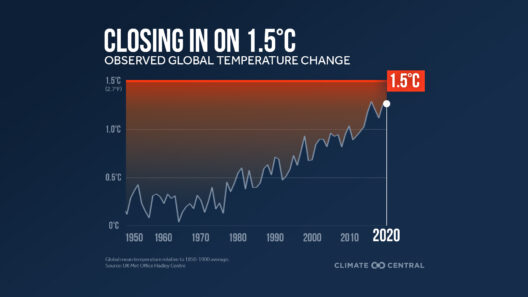



Amidst the urgent discussions surrounding climate change, the impact of dietary choices on global warming has garnered increasing attention. Specifically, the role of meat consumption in escalating greenhouse gas emissions is a pressing concern for environmental activists and health advocates alike. Renowned studies suggest that skipping meat, particularly beef, could be likened to taking millions of cars off the road in terms of its environmental benefits. This discussion will illuminate how reducing meat intake not only contributes to a reduction in greenhouse gases but also fortifies public health, fosters biodiversity, and ultimately propels humanity towards a sustainable future.
The production of meat, particularly red meat, is associated with significant carbon outputs. Livestock farming accounts for approximately 14.5% of global greenhouse gas emissions, a statistic that emphasizes the impact of agricultural practices on climate. Cattle, sheep, and goats produce methane during digestion, a greenhouse gas with greater heat-trapping capabilities than carbon dioxide. The methane emissions from livestock contribute considerably to global warming, and the sheer amount of resources required—water, land, and feed—intensifies the environmental footprint of meat production. By reducing meat consumption, individuals can effectively decrease demand, thereby mitigating these harmful emissions.
One primary advantage of decreasing meat consumption is the reduction in deforestation associated with livestock farming. To accommodate cattle grazing and feed crop production, vast expanses of forested land are cleared. The Amazon rainforest, often referred to as the “lungs of the planet,” has suffered alarming deforestation rates, substantially driven by the beef industry. This land-use change not only releases stored carbon dioxide into the atmosphere but also diminishes the Earth’s capacity to absorb existing carbon. By choosing plant-based options, consumers can help preserve these vital ecosystems, allowing them to continue acting as crucial carbon sinks.
Furthermore, encouraging plant-based diets can enhance biodiversity. The current agricultural focus on monocultures—growing a single crop variety—largely to feed livestock undermines biodiversity and erodes soil health. Diverse ecosystems are necessary for maintaining the balance of nature. By shifting towards a more plant-centric dietary pattern, individuals can stimulate the cultivation of a variety of crops, benefiting ecosystems and preserving endemic species. This transition also promotes sustainable farming practices that enhance soil fertility, thus creating a more resilient agricultural system.
In addition to mitigating climate change and preserving biodiversity, reducing meat consumption can lead to significant health benefits. Diets high in plant-based foods are linked to lower risks of chronic diseases such as heart disease, diabetes, and certain cancers. An increase in the intake of fruits, vegetables, whole grains, and legumes corresponds with improved health outcomes. Shifting away from meat-heavy diets to more plant-based alternatives facilitates not only personal health enhancement but also a reduction in healthcare costs related to diet-associated illnesses.
Financially, the implications of meat reduction extend beyond personal health. The environmental costs associated with meat production—such as greenhouse gas emissions, water usage, and land degradation—translate into economic burdens borne by society. Addressing climate change and environmental degradation requires significant investments. By reducing the demand for meat, individuals can foster a shift in agricultural investments towards sustainable practices and renewable resources. This shift could yield long-term savings and promote a circular economy that thrives on resourcefulness and environmental stewardship.
Activism focused on reducing meat consumption can thrive through various channels. Educational campaigns, for example, can enlighten the public on the environmental impact of their food choices. Accessible resources, including documentaries, cookbooks, and workshops, facilitate the transition to meat-free diets while showcasing the myriad delicious and nutritious alternatives available. This grassroots movement fosters community engagement and empowers individuals to make informed dietary decisions.
Social media also plays a pivotal role in advocating for meat reduction. Platforms such as Instagram and TikTok have birthed a surge of influencers promoting plant-based lifestyles, sharing recipes and practical tips. These digital communities inspire behavioral change, creating a culture where skipping meat becomes the norm rather than the exception. Additionally, policy measures can further bolstering this movement through initiatives like carbon pricing and subsidies for plant-based agriculture, effectively incentivizing individuals and businesses alike to prioritize sustainable food choices.
Considering the global implications of dietary choices illustrates a clear nexus between individual actions and collective environmental outcomes. Climate change is a multifaceted crisis, and each small action contributes towards a larger movement. By choosing to forgo meat, individuals are not merely altering their diets; they are participating in a broader fight against global warming and environmental degradation. As awareness grows, so too does the potential for massive societal shifts. The collective impact of millions of people committing to reducing their meat consumption can lead to a paradigm shift towards more sustainable food systems.
In conclusion, the choice to skip the steak is far more than a personal health decision; it is a significant statement against climate change. It represents a commitment to the preservation of our planet, the enhancement of biodiversity, and the promotion of public health. Communicating the multifaceted benefits of reducing meat consumption will invigorate global movements dedicated to sustainability. By embracing plant-based options, humanity can simultaneously combat global warming and pave the way for a more sustainable and healthier future for generations to come.