

Spain, a nation of stunning diversity, is a compelling study in climatic contrasts. The juxtaposition of its dry interiors and coastal climates presents a unique tapestry of atmospheric conditions and weather phenomena. From the arid landscapes of the central plateau to the temperate coastal regions, Spain’s climate is worthy of examination, especially for those concerned about environmental sustainability and climate change.
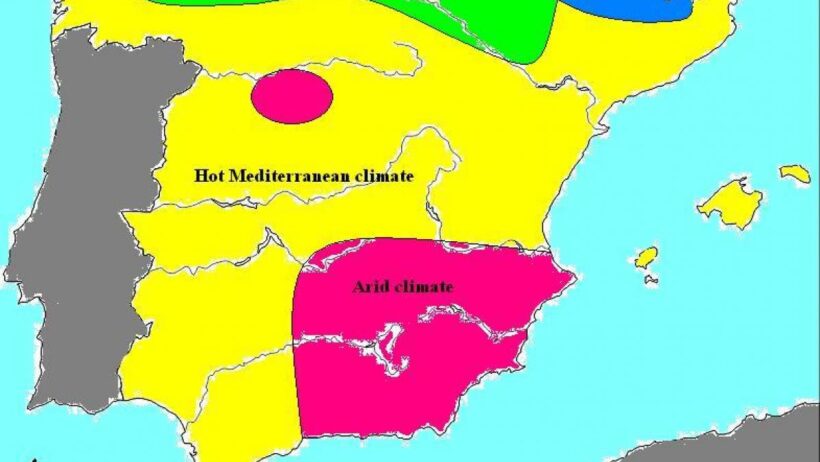
To begin understanding Spain’s climate guide, one must acknowledge its geographical predispositions. The country boasts a plethora of climates, yet its interior is predominantly characterized by a semi-arid climate. This region experiences significant temperature variations between day and night, with dry summers often leading to drought conditions. In stark contrast, the coastal areas—particularly along the northern regions—enjoy a more temperate maritime climate, marked by cooler summers and milder winters. The southern parts, under the influence of the Mediterranean Sea, are engulfed by sweltering heat, especially during the summer months. Such considerable differences invite one to ponder: how can a single nation encapsulate such extremes in climate, and what implications does this have for its ecological sustainability?
As we navigate through Spain’s climatic zones, it is essential to delve into the central interior, which comprises the expansive Meseta Central. This vast plateau is marked by dry, hot summers, often exceeding 40°C (104°F) in some regions. The chilly winters are equally noteworthy, with temperatures dipping significantly due to the altitude. In a time of climate change, the challenge here lies in the sustainability of agricultural practices. Can the agricultural sector adapt to these increasingly erratic weather patterns? The traditional reliance on rain-fed agriculture is becoming increasingly untenable, leading to questions surrounding irrigation practices and water resource management.
Transitioning from the interior to the rugged landscapes of the northern coast, one encounters a remarkably different atmosphere. The northern regions, particularly Galicia and the Basque Country, are blessed with a damp oceanic climate that produces lush greenery and abundant rainfall. Here, the average annual precipitation can outstrip 1,500 mm, nourishing both agriculture and vibrant ecosystems. However, this region faces the challenge of managing the industrial pressures that threaten these natural landscapes. As climatic conditions shift, so does the risk of losing biodiversity and the delicate balance of coastal ecosystems. The juxtaposition of economic development against environmental preservation presents a poignant clash in policy-making.
Meanwhile, the coastal and southern regions embody an intricate dance of maritime and Mediterranean climates. Places like Valencia and Andalusia experience hot summers with mild winters, complemented by an inviting coastline. However, these sunny beach destinations pose their own set of challenges. The influx of tourism, while economically beneficial, exerts tremendous pressure on local resources, leading to overconsumption and heightened waste generation. How can Spain reconcile its booming tourism industry with environmental stewardship? This question is central as policymakers strive to create sustainable models that protect both the economy and the environment.
Moreover, climate change has initiated an alarming trend known as rising temperatures, particularly in southern Spain. The region has witnessed increasingly severe heatwaves, which not only threaten human health but also compromise agricultural yields. The once-bountiful crops are now susceptible to wilting under the relentless sun. Herein lies another critical inquiry: how will Spain’s vulnerable farmers adapt to the exigencies of a changing climate? Innovative practices such as sustainable agriculture, crop diversification, and drought-resistant varieties will be pivotal in ensuring food security amidst climactic adversities.
On the horizon, Spain’s commitment to renewable energy emerges as a foremost strategy to mitigate adverse climate effects. Predominantly relying on wind and solar resources, Spain has positioned itself as a leader in renewable energy generation. For example, the region of Andalusia serves as a breeding ground for solar farms, harnessing the abundant sunlight to power its cities. However, with these advancements, a new challenge manifests: ensuring equitable access to these resources while fostering community engagement and minimizing ecological footprints.
Furthermore, the interplay between climate and culture is indisputable in Spain. The region’s weather patterns have long shaped its culinary traditions, architecture, and lifestyle. Al fresco dining, fiestas, and beach culture can be attributed to the favorable climates found in southern Spain, drawing millions of visitors each year. Yet, as climate patterns become less predictable, what will the future hold for these cherished cultural expressions? Adapting to climate change while maintaining cultural heritage is an intricate balance that regions across Spain must navigate.
By synthesizing these disparate climatic experiences—from the dry interior to the coastal coolness and southern heat—one can discern a symphony of challenges and opportunities. Spain’s varied climate beckons a multifaceted response, urging policymakers, communities, and individuals to ponder sustainable practices and collective action.
In conclusion, Spain’s climate serves not only as a backdrop to its vibrant culture but also as an urgent call to action. The interplay of heat and drought within the interior, contrasted with the moisture-laden coasts and the oppressive southern heat, presents challenges that are both daunting and surmountable. The question remains: are the various stakeholders willing to collaborate to chart a sustainable path forward? Only time will unveil the answers to these pressing climate questions.