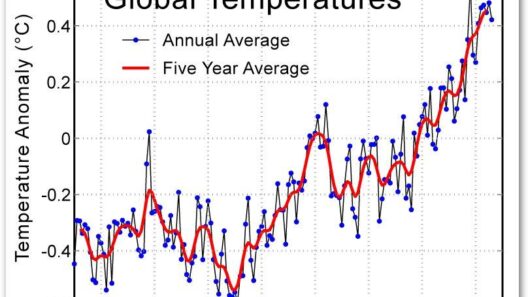



The undeniable correlation between global warming and the intensification of extreme weather events cannot be overstated. As the planet’s temperature rises due to elevated greenhouse gas emissions, weather patterns are undergoing profound transformations, leading to an increase in the frequency and severity of storms. This reality compels a reevaluation of our understanding of storms and invites a more nuanced discourse on climate change’s impact on our environment.
Historically, humanity has contended with a multitude of weather-related challenges. Hurricanes, torrential rains, and unprecedented heatwaves have long been fixtures of our existence. However, the specter of climate change has magnified these occurrences, ushering in an era of “superstorms” characterized by unprecedented power and impact. The scientific community increasingly supports the notion that the warming atmosphere serves as a fertile ground for the amplification of these destructive phenomena. With each increment in temperature, the air can hold more moisture, setting the stage for storms that unleash record rainfall and ferocious winds.
One key component to consider is the behavior of ocean temperatures. As the seas warm, they serve as a catalyst for the formation of powerful hurricanes. Warmer waters provide the necessary heat energy that fuels storm development. Consequently, when a storm system encounters such warm waters, it can intensify at an alarming rate. This phenomenon was vividly illustrated during the devastating hurricane seasons of recent years, where storms rapidly escalated from tropical storms to formidable hurricanes in mere hours. The tension between mankind’s burgeoning needs and the consequent environmental impact underscores an urgent need for action.
Moreover, storms are emerging as harbingers of societal disruption. Every tempest brings with it not just natural destruction but a cacophony of social disarray, showcasing the intersectionality of climate and human experience. Vulnerable populations find themselves at the mercy of these weather systems; low-income communities are often the last to receive relief, exacerbating existing inequalities. Furthermore, vital infrastructure is frequently compromised, resulting in long-lasting impacts on local economies. Thus, the timeworn adage “the calm before the storm” takes on a new significance in the context of climate change, as it foreshadows a collective vulnerability.
Indeed, extreme weather events yield an inexorable impact on agriculture, as the reliability of traditional farming practices falters in the wake of erratic climatic conditions. Crop yields are contingent on predictable weather patterns; however, increased instances of droughts, floods, and unseasonable frosts profoundly undermine agricultural productivity. As we witness entire harvests obliterated due to these atmospheric upheavals, food security hangs in the balance, compelling societies worldwide to confront the repercussions of climatic discord.
The anthropogenic contribution to global warming serves as an omnipresent reminder of mankind’s role in shaping climatic narratives. Fossil fuel combustion, deforestation, and industrial processes release copious amounts of carbon dioxide and other greenhouse gases, creating a blanket effect that exacerbates global temperatures. The narrative entwined with carbon emissions calls for rigorous scrutiny. Transitioning towards renewable energy sources such as solar, wind, and geothermal is no longer a mere option but an imperative. Advancements in technology have paved the way for cleaner, sustainable energy solutions, fostering a paradigm shift in how societies generate power.
Nevertheless, the interconnectivity between storms and their climatic underpinnings does not merely rest at the level of human activity. Ecosystems themselves are shifting and adapting, albeit at a perilous pace. Coral reefs, for instance, are succumbing to warmer temperatures through coral bleaching, leaving entire marine ecosystems vulnerable to collapse. Changes in precipitation patterns further play a role in altering habitats for countless species, rippling through food webs and threatening biodiversity. Such shifts remind us that climate change’s ramifications are not confined to human experience; they extend deeply into the realms of flora and fauna.
Importantly, a multifaceted approach is necessary to tackle the escalating storm intensity linked to global warming. Addressing the anthropogenic factors fueling climate change warrants close cooperation among local, national, and international entities. Governments must enact stringent policies aimed at emission reductions, investing in sustainable practices, and fostering climate resilience. Moreover, the integration of climate education into curricula across all educational levels fosters a well-informed populace that is prepared to engage in dialogue and take action against climate-related injustices.
The way forward necessitates a robust alliance between science and society, as scientific advancements present opportunities to mitigate the impacts of future storms. Enhancing forecasting technologies, embracing innovative engineering strategies, and investing in climate-proof infrastructure can bolster our defenses against these increasingly violent weather systems. Furthermore, community-based initiatives focused on emergency preparedness can empower individuals and local organizations to respond effectively to extreme weather events.
As we grapple with the consequences of climate change, we must embrace the notion that storms, once perceived solely as natural disasters, now serve as critical indicators of an urgent environmental crisis. By recognizing the interconnectedness of human activity, ecological systems, and atmospheric dynamics, we can forge a path toward resilience. The storms unleashed by global warming are not mere harbingers of destruction; they also offer an opportunity for transformation, prompting individuals and societies to take decisive action against climate change. Each tempest can become a rallying cry – a moment for awakening to the responsibility we share in ensuring a livable planet for future generations.