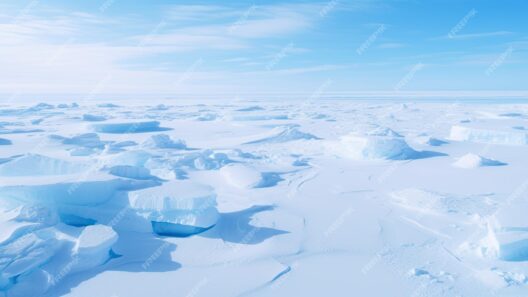
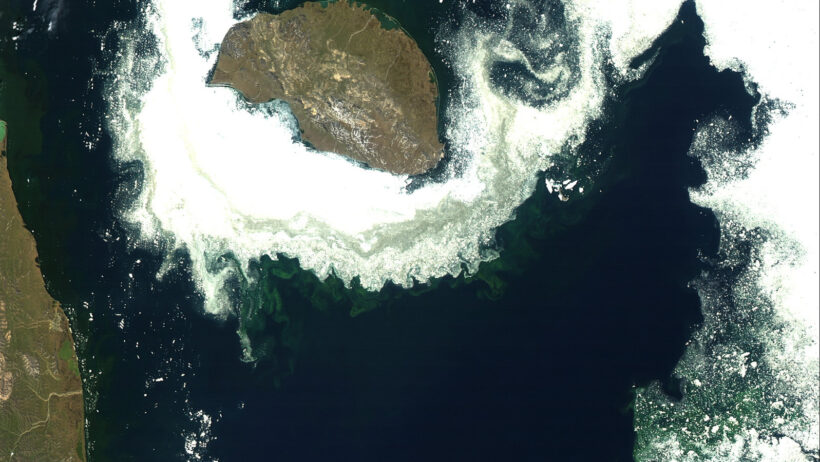

The Arctic region, often heralded as the planet’s reflective shield, is undergoing unprecedented transformation due to global warming. This area, which plays a vital role in regulating Earth’s climate, is experiencing a perilous shift as melting ice alters not only its landscape but also the delicate balance of ecosystems. What if one day, the shimmering white expanses of ice transform into dark, absorbing water? How might this metamorphosis affect the planet as a whole?
The Arctic serves as a critical reflector of solar radiation, a phenomenon known as the albedo effect. Ice and snow, with their high albedo, reflect a significant portion of sunlight back into space. This helps to keep the Earth cooler. As global temperatures rise, we witness an alarming reduction in the extent of Arctic sea ice, thereby diminishing its reflective qualities. The darker ocean waters that replace ice absorb much more solar energy, creating a feedback loop that exacerbates warming. This complexity poses a potential challenge not only for local ecosystems but for the entire biosphere.
As the ice retreats, a new world emerges. Species that once thrived in the icy environment face existential threats. Polar bears, seals, and various migratory birds are among those grappling with habitat loss. Polar bears depend on sea ice for hunting seals, their primary food source. Without sufficient ice, they are forced to travel greater distances, expending energy that may lead to decreased reproduction rates. The ripple effects of this loss extend beyond individual species; entire food chains are disrupted, triggering a cascade of ecological consequences.
Additionally, the melting Arctic is unlocking a treasure trove of ancient carbon reserves stored in permafrost. As this frozen ground thaws, it releases greenhouse gases like methane and carbon dioxide, further fuelling global warming. Methane, in particular, is a potent greenhouse gas, with a heat-trapping ability many times greater than carbon dioxide in the short term. The irony is apparent: as the Arctic warms, it inadvertently contributes to the very problem that threatens its existence.
The oceanic processes are equally fascinating yet concerning. The Arctic Ocean, once a bastion of polar conditions, is now witnessing changes in salinity and temperature. These alterations impact ocean currents and marine life. Phytoplankton, the foundation of the marine food web, is affected as nutrient availability shifts. With their dynamics altered, the intricate balance that sustains not just Arctic ecosystems, but also global fisheries, hangs in the balance.
Moreover, indigenous communities that have lived harmoniously with the Arctic environment for generations are facing profound challenges. Their subsistence lifestyles, based on a deep knowledge of seasonal changes in ice and wildlife, are being disrupted. Communities are reporting changes in animal migration patterns and hunting success. The cultural implications are as severe as the ecological ones. Traditional knowledge passed down through generations faces obsolescence as the very rhythms of the environment alter dramatically.
Could this shifting environment lead to new opportunities, or is it solely a harbinger of impending doom? Some speculate that the retreating ice may open new shipping routes and enable resource extraction. Yet, these opportunities come at a significant cost. Increased shipping traffic poses risks of oil spills and habitat destruction. The temptation to exploit mineral resources beneath the seabed might satisfy immediate economic interests, but it risks long-term global consequences. The Arctic’s vulnerability is a clarion call for sustainable practices, urging humanity to find solutions that do not sacrifice environmental integrity for short-term gain.
The future of the Arctic is not predetermined; it hinges on collective action. The global community can harness available technologies to mitigate climate change effects. Investing in renewable energy, enhancing energy efficiency, and promoting sustainable land-use practices are all crucial steps forward. Collaboration is imperative; neighboring countries must come together to preserve this critical region. Enforcing protective regulations, promoting scientific research, and prioritizing conservation will be vital in cultivating resilience against ongoing climate shifts.
Moreover, public awareness plays a pivotal role in driving change. By understanding the intricate connections between the Arctic and the global climate system, individuals can become advocates for sustainable policies. Education is a powerful tool; it creates informed citizens who can demand action and encourage their governments to prioritize the health of our planet. The burgeoning awareness of climate change and its implications is propelling grassroots movements worldwide, signaling a collective willingness to confront the climate crisis with vigor.
The Arctic’s shifting shine and the accompanying complications prompt us to reflect on our relationship with nature. What legacy do we wish to leave for future generations? It is essential to ask these questions, as they propel discussions toward tangible solutions. As stewards of the Earth, our responsibility extends beyond our immediate surroundings; we must consider the global implications of local actions.
The Arctic’s metamorphosis is a manifestation of broader climatic changes—an urgent indicator that time is of the essence. As we navigate this precarious period, embracing science, collaboration, and innovation becomes non-negotiable. In striving for sustainability, we may find that even amidst looming challenges, opportunities for restoration, collaboration, and newfound understandings emerge. The time to act is now; denial yields to action, and together, we can stabilize the delicate balance that preserves the Arctic as a vital reflective shield.