

Climate change is not merely a phenomenon; it is a monstrous tidal wave crashing upon every facet of our existence. As we traverse the annals of Earth’s history, we document a profound and intricate saga—one woven with the threads of time, a chronicle where global warming silently yet inexorably transforms our planet. The story begins long before humankind ever stepped onto the stage, embedding itself within the very marrow of our world. Through epochs and eras, climate has shaped ecosystems, influenced civilizations, and now, informs our collective fate.
Looking back to the Pleistocene Epoch, which commenced approximately 2.6 million years ago, one can trace the origins of our climatic narrative. This epoch, characterized by glacial and interglacial periods, offers a tantalizing glimpse into the capricious nature of Earth’s climate system. Unbeknownst to early humans, the planet was undergoing a slow metamorphosis, with vast sheets of ice birthing and then retreating, sculpting landscapes and steering the course of evolution. It was during the last glacial maximum, around 20,000 years ago, that an icy grip held much of the northern hemisphere in a frigid embrace. The climate dictated the rhythm of life, wherein early humans navigated the harsh terrain, adapting their ways to meet the formidable challenges posed by the icy expanses.
With the transition into the Holocene around 11,700 years ago, a new epoch dawned. The profound warming that ensued ushered in an era of stability, fostering the flourishing of agriculture. Civilizations blossomed—Mesopotamia, Indus Valley, and ancient Egypt rose to prominence amid the predictable rhythms of climate. Humans, once nomadic hunters and gatherers, began to anchor themselves, cultivating crops and domesticating animals. This burgeoning agricultural society ignited the ember of human progress, allowing for culture, science, and art to flourish, yet it came with an insidious edge. Sedentary life fostered resource consumption that would eventually tip the delicate balance of Earth’s biorhythms.
Fast forward to the dawn of the Industrial Revolution in the late 18th century—a watershed moment likened to a spark igniting a massive conflagration. As we turned to coal and fossil fuels, the emissions surged, and atmospheric carbon dioxide began an unprecedented ascent. The metaphor of a lone tree in a vast forest becomes apt: while one solitary tree may not seem consequential, when many are felled, the entire forest is altered. Global temperatures began to rise, and with it, a metamorphosis unfolded that was both subtle and tumultuous, highlighting nature’s resilience yet exposing its vulnerabilities.
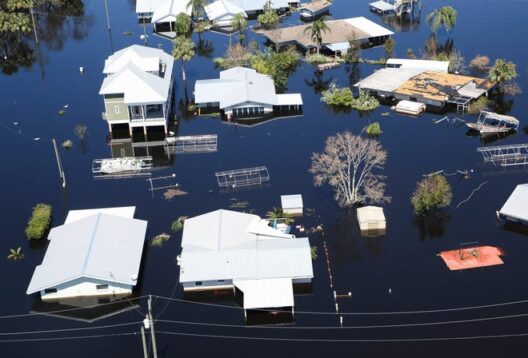
The 20th century unfurled further reminders of our impact. Glacial retreat became a harbinger, a stark warning sign displayed across the once-immovable Arctic ice, which now languishes under the sun’s relentless gaze. The once-subdued murmurs of climate change crescendoed into a clamor as phenomena like hurricanes, droughts, and wildfires illustrated the volatile emotional spectrum of our planet. Each event unearths the chilling realization that human actions reverberate through the biosphere. In a metaphorical sense, we are both the sculptors and the sculptures—carving our existence into the fabric of the Earth while simultaneously contending with the consequences of our artistry.
As we stand at the precipice of the 21st century, the climate narrative has entered yet another critical chapter. The current era of global warming is intensified by the unsustainable practices that dominate our existence. Carbon footprints imprinted on lands and watersbodies mirror the trials of a cultural watershed moment. These footprints are not merely records of past activities; they are indicators of our enduring impact, where every grain of excess resonates throughout the ecological systems. This proverbial stain on our collective consciousness amplifies the urgency to respond, to elevate our societal infrastructures towards sustainability.
The metamorphosis attributable to climate change extends far beyond environmental circles. It reverberates through social constructs, economics, politics, and ethics. Climate injustice emerges as a poignant reality; marginalized communities often bear the brunt of environmental degradation, while industrialized nations accumulate wealth at their expense. The Grand Narrative of human history, thus, transmutes—climate change is a lens through which we can better evaluate morality, equity, and our shared humanity. An invitation for introspection awaits; are we prepared to embrace not only our own transformations but also those of others?
Yet, amidst the daunting landscape, the narrative also offers glimmers of hope. The selection of renewable energy sources, reforestation initiatives, and grassroots movements signal a collective awakening to our shared responsibility. The metaphor of a phoenix rising from ashes becomes striking—the aspiration to rebuild a sustainable world out of the wreckage of our past transgressions. Such movements represent not merely an adaptation to fervent climate realities but a renaissance of human ingenuity and solidarity.
As we ponder the evolving saga of climate change, let us remember that this chronicle belongs not only to scientists or environmentalists but to each one of us—every individual plays a role, every action resonates within the global symphony of consequence. It is imperative to foster an acute awareness of our interconnectedness. When temperatures rise and sea levels shift, they bear tales of our time. Our understanding deepens with each ripple we create in this expansive narrative. The chronicle of climate change is a testament to the power we possess; through unity, concerted effort, and an unwavering commitment to change, we can weave a vibrant mosaic of resiliency that honors our past while safeguarding the future.
Thus, the journey through “The Climate Chronicle” unfolds an intricate tapestry of historical transformations wrought by climate change. Encompassing both the labyrinthine shadows of neglect and the brilliant beacons of possibility, this ongoing narrative invites us boldly onward. For it is not merely the planet we strive to save but the very essence of our shared existence—our humanity, our aspirations, and our connection to all life on Earth.