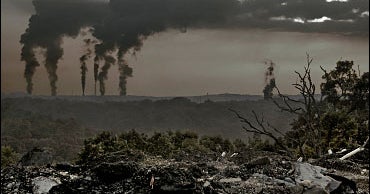


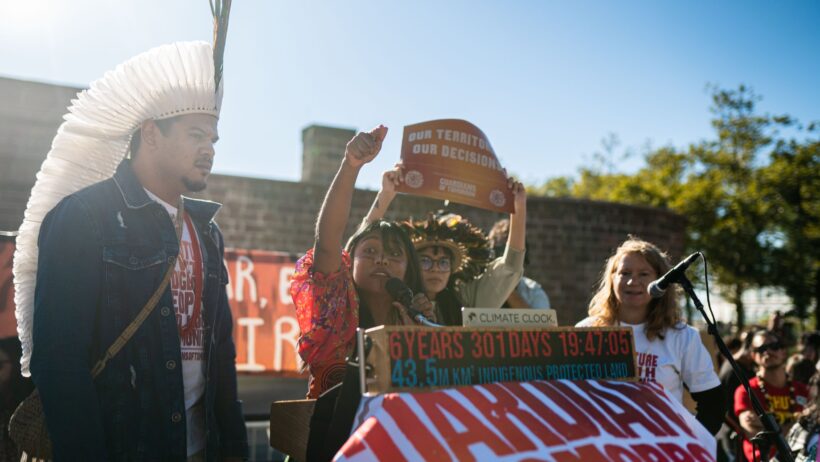

The climate clock is ticking. As we navigate the complexities of our modern world, it’s imperative to interrogate a critical question: How much time do we truly have left to avert the catastrophic effects of climate change? It might seem like an intimidating notion, but it’s one that requires our utmost attention and action.
The concept of the climate clock epitomizes the urgency of our environmental conundrum. Scientists and environmentalists have increasingly turned to visual tools to communicate the immediacy of the crisis. This clock serves as a stark reminder that time is slipping away, and the repercussions of inaction will become increasingly dire. The scientific consensus is indisputable: climate change is already upon us, and its impacts are palpable. From increasing extreme weather events to biodiversity losses, each tick of the clock signifies another moment lost in addressing this looming threat.
Empirical studies indicate that, based on current greenhouse gas emissions trajectories, we have a critical window of approximately a decade to implement radical changes in our global policies, energy paradigms, and lifestyle practices. This timeframe stems from the need to limit global warming to 1.5 degrees Celsius above pre-industrial levels, according to the Paris Agreement. Exceeding this threshold ushers in a cascade of environmental catastrophes, including intensified droughts, floods, and heatwaves that could destabilize ecosystems and livelihoods worldwide.
So, what does this mean for the average person? It poses a provocative challenge: are we willing to alter our day-to-day habits and perspectives to align with the needs of our planet, or shall we continue down a path of complacency? The answer to this dilemma is intricately connected to not only our collective future but also our individual responsibilities.
Transitioning into an eco-conscious lifestyle need not be an overwhelming endeavor. Small yet impactful changes can spark significant transformations. For instance, reducing meat consumption or embracing plant-based alternatives can minimize the carbon footprint associated with livestock farming. The agriculture sector is a major contributor to greenhouse gas emissions, and individual dietary shifts can reverberate through the system.
Moreover, minimizing waste through conscious consumption is another avenue worth exploring. The circular economy offers a model wherein materials are repurposed, reused, and recycled. By engaging in mindful purchasing behaviors and advocating for sustainable practices in our communities, we contribute to the broader narrative of environmental stewardship. Transforming wasteful habits into sustainable ones echoes the ethos of resilience necessary to combat climate change.
Furthermore, advocating for renewable energy adoption is paramount. Transitioning from fossil fuels to solar, wind, and other renewable sources can drastically reduce global emissions. This paradigm shift is not only feasible but also economically advantageous, as the costs of renewable technologies continue to decline. The challenge we face boils down to rallying collective will, driving policy reform, and elevating public consciousness around renewable options.
Thus, the ticking climate clock serves as a catalyst for mobilization. Engaging in advocacy at various levels—from grassroots campaigns to lobbying for legislative change—creates avenues for action. Building relationships with local organizations focused on environmental sustainability can amplify individual efforts and weave a collective impact that resonates well beyond individual efforts.
Next, consider the implications of climate change on social justice. Often, marginalized communities bear the brunt of climate-related fallout, despite contributing the least to greenhouse gas emissions. This interconnection between climate action and social equity invites a critical reflection: Are we equipped to tackle these disparities while striving for ecological preservation? Addressing climate change is inherently linked to combating inequality. By fostering inclusive dialogues about climate action, we create pathways for equitable solutions that benefit the most vulnerable populations.
Another important facet of this discussion revolves around education. Comprehension of climate science and its ramifications must permeate educational curricula at all levels. When future generations are equipped with knowledge about climate change’s causes and consequences, they can better innovate solutions and advocate for meaningful change. Engaging youth in activism and environmental science fosters a culture of responsibility and stewardship that can challenge antiquated paradigms.
The gravitational pull of climate change necessitates a multitude of approaches and collaborations. Innovators, scientists, policymakers, and communities must coalesce around collective goals, integrating diverse perspectives and expertise. A mosaic of strategies will enhance our resilience against the multifaceted threat posed by climate change, ensuring that we optimize our time. Each component contributes to the overarching effort of slowing the clock that is ticking ominously in the background.
As we contemplate the question, “How much time do we have left?” we must recognize that the response is not merely a numerical figure; it is a reflection of our willingness to engage actively in change. It also underscores our responsibility as stewards of the Earth. The challenge is laid before us—are we ready to confront the ticking clock with innovative solutions, compost the old paradigms, and cultivate new paths to sustainability?
In conclusion, time may be of the essence, but so too is our capacity for ingenuity and action. Let us embrace this challenge with an unwavering resolve to reimagine our relationship with the planet, harnessing the collective power of activism and education to turn the tide on climate change. The clock is ticking, yes, but it is not too late to act. The future beckons, and it is our choice to make it one worth living.