


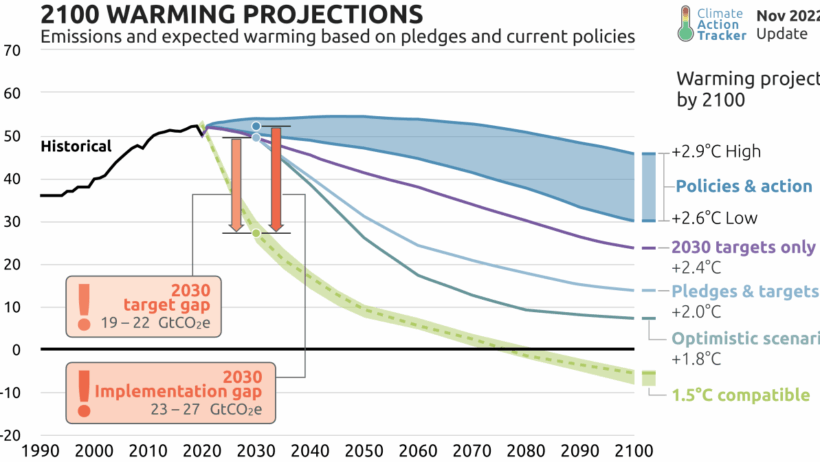

In contemporary discourse surrounding climate change, a common observation presents itself: the undeniable correlation between pollution levels and rising global temperatures. The myriad effects of pollution—a term that encompasses a wide array of man-made contaminants, including greenhouse gases, particulate matter, and biohazards—not only exacerbate the current warming trend but also pose an existential threat to biodiversity, human health, and the very fabric of ecosystems. Understanding this intricate nexus is imperative for comprehensive climate action.
The fundamental equation of climate change involves variables far beyond mere temperature increase. At the heart of this equation lies the concept of greenhouse gas emissions, primarily carbon dioxide (CO2), methane (CH4), and nitrous oxide (N2O). These gases trap heat within the Earth’s atmosphere, creating a greenhouse effect that results in a gradual warming of the planet. Industrial activities, along with transportation and energy production, have significantly contributed to the escalation of these emissions since the dawn of the industrial revolution.
Among the primary pollutants, CO2 stands as the most prevalent. Its atmospheric concentration has surged from approximately 280 parts per million (ppm) in the pre-industrial era to over 410 ppm today. This escalation directly correlates with the combustion of fossil fuels and deforestation, instigating profound alterations in climate patterns. The repercussions are manifold—from rising sea levels and increased frequency of extreme weather events to the unsettling possibility of climate feedback loops that perpetuate further emissions even if human activity diminishes.
In parallel, methane—a gas significantly more effective than CO2 at trapping heat—has emerged as a formidable contributor to climate change. Released during the extraction and transportation of fossil fuels, as well as from agricultural practices, methane’s impact is approximately twenty-five times greater than that of CO2 over a 100-year period. Its presence in the atmosphere creates a precarious scenario wherein emissions from livestock farming, landfills, and wetlands contribute to an accelerating warming trend.
Furthermore, nitrous oxide, although present in smaller quantities, boasts a warming potential nearly 300 times that of CO2 over a century. Its emissions predominantly arise from agricultural activities, particularly the use of synthetic fertilizers. The interplay of these gases and their various sources highlights the complexity of pollution’s role in climate change; action aimed at mitigating one area may inadvertently exacerbate another, presenting a multifaceted challenge for policymakers and activists alike.
The quest to address climate change must also consider the broader implications of pollution beyond climate-related effects. The health ramifications of air pollution, for example, merit urgent attention. Fine particulate matter, often a byproduct of fossil fuel combustion, is linked to an array of serious health issues, including respiratory diseases, cardiovascular complications, and premature mortality. Vulnerable populations—children, the elderly, and those with pre-existing health conditions—experience the most acute effects. As pollution persists, the global burden of disease continues to rise, underscoring the intersection between environmental sustainability and public health.
This multidimensional challenge beckons an exploration of solutions that pivot on technological innovation, policy reform, and community engagement. Diverting from fossil fuel dependence towards renewable energy sources, such as wind, solar, and geothermal, represents a pivotal strategy in the reduction of greenhouse gas emissions. The adoption of electric vehicles, alongside improvements in mass transit, could dramatically lessen urban air pollution while simultaneously curbing CO2 emissions from traditional vehicles.
However, renewable energy is not a panacea. Issues such as land use, resource extraction, and waste management associated with the production of solar panels and wind turbines complicate the narrative. Moreover, transitioning to a circular economy—wherein resources are reused, repaired, and recycled—can mitigate some of the negative impacts associated with pollution and environmental degradation. This approach fosters sustainable consumption patterns that respect planetary boundaries while promoting economic viability.
Legislative measures play an equally pivotal role in addressing pollution’s effects on climate. Policymakers are increasingly recognizing the necessity of integrating environmental considerations into economic frameworks. Adopting carbon pricing, stringent emission regulations, and incentivizing sustainable practices can create a paradigm shift, fostering a culture of accountability among corporations and individuals alike. Such measures may be bolstered by international cooperation, as climate change knows no borders; collective action remains paramount in securing a viable future.
Community engagement and grassroots movements are equally instrumental in combating climate change. By galvanizing public support, raising awareness, and advocating for sustainable practices, local initiatives can catalyze profound change. Education plays a crucial role in this endeavor; cultivating a society that understands the intricacies of climate science and the ramifications of pollution can pave the way for informed decision-making and proactive participation in climate action.
In conclusion, the equation of climate change is an intricate tapestry woven with the threads of pollution, human activity, and ecological response. The relationship is both straightforward and convoluted, offering challenges that call for innovative solutions and collective responsibility. As the planet continues to warm, unfurling its repercussions on natural and human systems alike, the urgency of addressing pollution as a critical factor in this equation cannot be overstated. A shift towards a more sustainable future hinges upon our ability to unravel these complexities, reimagine our consumption patterns, and forge a path towards resilience against the impending climate crisis.