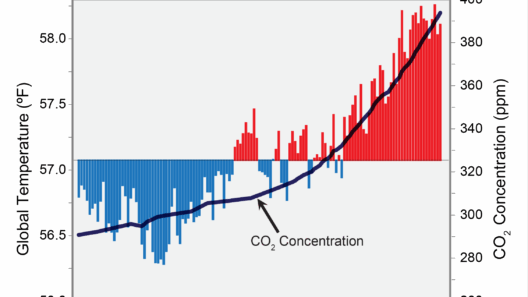


Carbon dioxide (CO2) is more than just a colorless gas; it is a silent protagonist in the drama of climate change, weaving itself into the very fabric of Earth’s atmosphere. Like a balloon that expands with every breath, the accumulation of CO2 is tethered to human activity, increasing its concentration and subsequently tightening its grip on our planet’s climate. The implications of this rise extend far beyond mere measurements on a graph; they represent a harbinger of an environmental crisis that reverberates across ecosystems, economies, and human communities.
The connection between carbon dioxide and global warming can be likened to a ceaseless tempest, continuously brewing beneath the surface, ultimately disrupting the delicate equilibrium of our climate. This phenomenon, often referred to as the greenhouse effect, plays a critical role in regulating Earth’s temperature. Solar radiation penetrates the atmosphere, where a portion is absorbed by the Earth’s surface while the rest is reflected back into space. Greenhouse gases, including CO2, trap some of this reflected radiation, preventing it from escaping into the cosmos and allowing heat to accumulate. The result? A gradual warming of the planet, akin to the gradual rise in temperature when you leave the oven on too long.
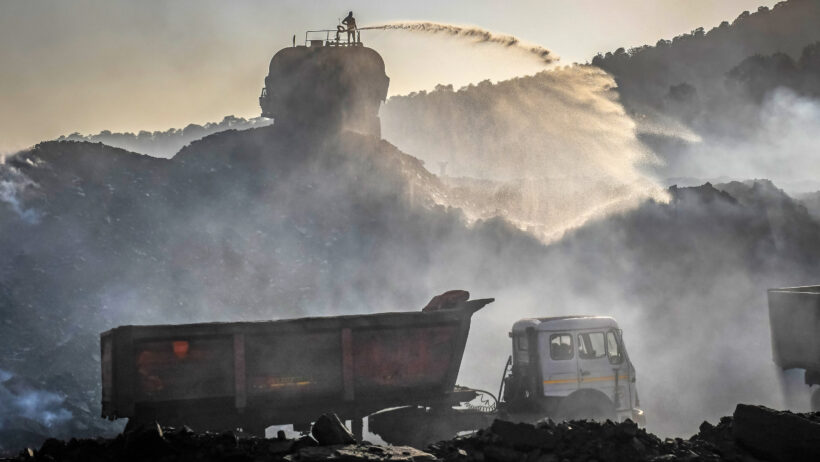
Understanding CO2’s role in climate change requires a delving into its origins. Emissions largely stem from the combustion of fossil fuels—coal, oil, and natural gas—used for electricity generation, transportation, and industrial processes. Each mile driven, each unit of energy consumed from fossil sources, contributes to an ever-growing concentration of CO2 in the atmosphere. This chain reaction mirrors a domino effect; as one piece falls, it inevitably influences those nearby, leading to cascading consequences such as rising sea levels, increased frequency of extreme weather events, and detrimental impacts on biodiversity.
As atmospheric CO2 levels soar, the Earth operates in a paradox of increasing temperature while simultaneously experiencing regions of devastating cold and erratic weather patterns. The melting polar caps exemplify this juxtaposition. Ice that has stood for millennia is relinquishing its grip on the Earth, sliding into the oceans, resulting in a rise in sea levels that threatens coastal communities and ecosystems alike. Like a house of cards teetering on the edge of collapse, this destabilization sends ripples through marine and terrestrial environments, endangering myriad species that depend on stable climates for survival.
The ecological ramifications of rising CO2 levels are profound and complex. Ocean acidification, a direct consequence of increased CO2 absorption by seawater, poses a dire threat to marine life. Coral reefs, often dubbed the “rainforests of the sea” for their unparalleled biodiversity, are among the first casualties. These ecosystems, already under stress from rising temperatures, face bleaching events and increased susceptibility to disease. This change in marine chemistry disrupts the entire food web, leading to declining fish populations and affecting those fisheries upon which countless communities rely for their livelihoods.
Furthermore, terrestrial ecosystems are not immune to the consequences of elevated CO2 levels. The intricate interplay between plants and their environment becomes unhinged as increased carbon leads to altered precipitation patterns and temperature fluctuations. While some plants may flourish in higher CO2 concentrations, others may struggle to survive. Invasive species, emboldened by warmer temperatures, can outcompete native flora, thereby diminishing biodiversity—an essential component of ecological resilience.
The impacts of carbon emissions are not merely environmental; they spill into the socio-economic realm as well, weaving a tapestry of challenges that will test global governance and human resilience. Communities that are already vulnerable face the brunt of climate change’s assault due to limited resources and infrastructure. The stark reality is that low-income populations, particularly in developing nations, often contribute the least to greenhouse gas emissions yet bear the greatest burden of climate-related disasters. This inequity lays bare the moral imperative for collective action against climate change—an issue that transcends borders and requires a united response.
The technology available today to combat this crisis is both exciting and transformative. Renewable energies—solar, wind, and hydro—offer pathways away from fossil fuel dependence and toward a sustainable future. Furthermore, advancements in carbon capture and storage (CCS) technology present the possibility of mitigating emissions at their source. The transition towards a circular economy, which emphasizes sustainability, resource efficiency, and waste reduction, can reign in carbon output while promoting economic growth.
However, the urgency of the situation cannot be overstated. As atmospheric CO2 concentrations approach record highs, the call to action grows louder. It is a symphony of voices advocating for policy change, technological advancements, and grassroots movements to promote environmental stewardship. Individual actions, such as reducing energy consumption, advocating for sustainable practices, and raising awareness, serve as crucial notes in this collective melody.
The connection between CO2 and global warming is a narrative that unfolds daily, a story that demands our full attention. It is not merely an environmental issue; it is a multifaceted challenge that encompasses human rights, economic stability, and ethical responsibility. As we confront the reality of rising carbon dioxide levels, we hold the pen that writes the next chapters. Will we choose to forge a path of sustainability and resilience, or will we let the story of our planet conclude in climate chaos? The choice is ours to make.