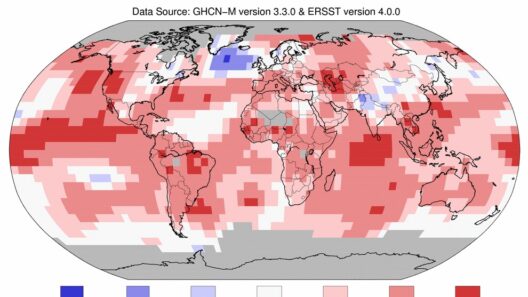



Global warming, a critical phenomenon induced by human activity, has precipitated alarming changes in our climate system, fundamentally altering ecosystems and threatening diverse animal populations. The impact of increasing temperatures extends beyond the natural world; it resonates profoundly within human societies. This intricate web of consequence is not merely an environmental concern, but a catalyst for socioeconomic upheaval, health crises, and humanitarian challenges. In order to comprehend the multifaceted human cost of global warming, one must explore various interconnected domains: environmental degradation, the displacement of communities, public health ramifications, and economic strife.
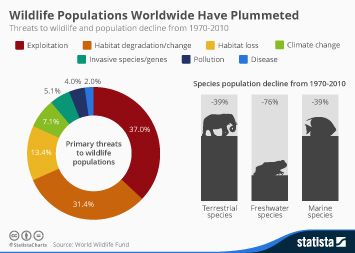
The foundation of understanding the impact of global warming on populations lies in comprehending the environmental paradigms that are shifting before our eyes. The acceleration of climate change has resulted in habitat loss, declining biodiversity, and the extinction of countless species. As animal populations dwindle—some by staggering percentages, as documented in numerous studies—it reflects a broader ecological imbalance that ultimately affects human livelihoods. Changes in wildlife populations prompt shifts in agricultural systems, which rely heavily on the pollination of key crops and the stability of pest populations. The cascading effects of these ecological changes serve as a grim reminder of humankind’s indispensable connection to nature.
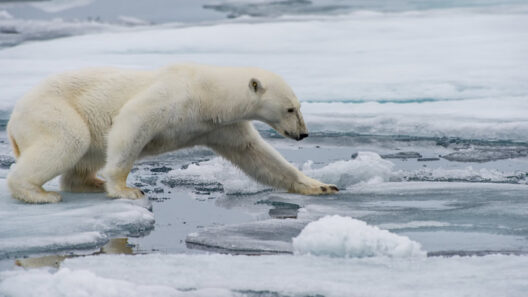
In addition to ecological disruption, climate change creates a substantial risk of displacement for millions of people around the world. Rising sea levels, driven by melting glaciers and polar ice caps, pose an imminent threat to coastal communities. In regions such as Bangladesh and the Maldives, entire populations are at risk of being forcibly relocated, leading to socio-political tensions and loss of cultural identity. Furthermore, climate events—such as hurricanes, droughts, and wildfires—are becoming increasingly prevalent. The phenomenon of climate refugees is on the rise, as individuals and families are compelled to abandon their homes due to environmental calamities. This displacement generates inner conflicts, exacerbating already fragile political situations in various regions, leading to heightened competition over resources and potential conflict.
Public health, an often-overlooked aspect of climate change, is irrevocably intertwined with global warming’s myriad consequences. Variations in climate conditions facilitate the proliferation of vector-borne diseases, such as malaria and dengue fever, significantly impacting vulnerable populations. Heatwaves and fluctuating weather patterns strain healthcare systems and alarmingly increase mortality rates, particularly amongst the elderly and those with pre-existing health conditions. Ultimately, the erosion of health services due to climate-related phenomena will yield both physical and psychological burdens on affected populations. Mental health disorders, exacerbated by displacement and loss, emerge as an equally significant consequence of the climate crisis, further illustrating the dire ramifications of global warming on human well-being.
Economic ramifications are intrinsic to the discussion of climate change’s impact on populations. The vulnerability of agricultural systems to alterations in temperature, precipitation, and weather patterns can lead to food shortages and inflated prices. Regions reliant on stable climates and predictable growing seasons are susceptible to dire food insecurity, particularly in developing nations. With over 800 million people already living in hunger, the compounding effects of climate change risk exacerbating this crisis. Moreover, the economic viability of entire industries—such as fisheries, tourism, and agriculture—comes under threat without adaptation to changing environmental conditions, potentially leading to mass unemployment and poverty.
There exists a profound interconnectedness between climate systems and human settlements; thus, solutions must be multi-faceted and inclusive. Sustainable practices, such as regenerative agriculture and renewable energy development, present avenues toward mitigating the impacts of global warming. These practices not only restore ecological balance but also contribute to a more resilient socio-economic framework. By forging initiatives aimed at reducing carbon emissions and fostering climate adaptive strategies, societies can embrace a transition that protects both the environment and human lives.
Furthermore, policies addressing the climate crisis must prioritize equity and inclusion to effectively benefit all sectors of society. Historical and systemic inequalities often place marginalized communities at heightened risk, thus demanding a comprehensive approach that addresses social disparities alongside environmental initiatives. Efforts to enhance community resilience must emphasize education and empower local voices, ensuring that those most impacted by climate change have a stake in solutions.
In essence, the human cost of global warming transcends isolated environmental crises; it is a harbinger of socio-economic upheaval, health disparities, and cultural disintegration. The significance of recognizing these interdependencies cannot be understated. As human populations grapple with the repercussions of climate change, it becomes imperative to acknowledge that the fate of humanity is inextricably linked to the well-being of the natural world. The operational tenet of environmental stewardship must become a priority, as the stakes are unambiguously high. A collective commitment to mitigating climate change is not only a moral imperative but also an essential strategy to safeguard populations and livelihoods worldwide. The present and future of human society hinge upon our ability to effectively respond to this existential crisis.