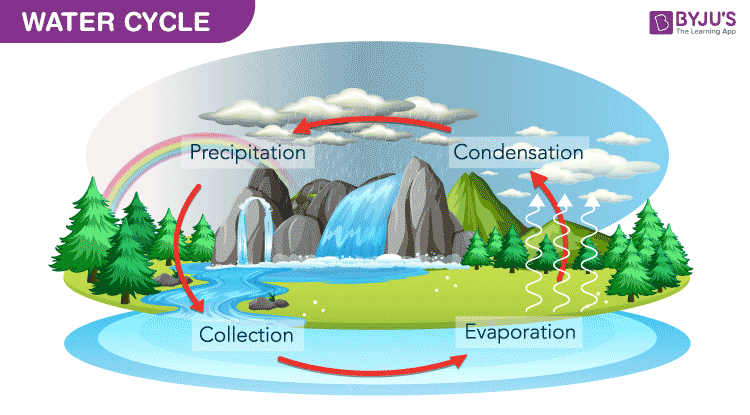

The hydrosphere, a dynamic component of Earth’s environment, plays an indispensable role in maintaining ecological balance. The intricate interplay of water in various forms—vapor, liquid, and solid—provides sustenance to life and regulates planetary temperatures. However, the specter of global warming looms large, casting a pall over the water cycle and precipitating profound alterations that rip through ecosystems and human societies alike. The time has come to unravel the complexities of this consequential phenomenon: the impact of climate change on the Earth’s water cycle.
The water cycle, or hydrologic cycle, constitutes a continuous movement of water within the Earth and atmosphere. It involves processes such as evaporation, condensation, precipitation, infiltration, and runoff. As water evaporates from oceans, rivers, and lakes, it transforms into vapor, ascending into the atmosphere. Here, it cools and condenses into clouds, ultimately returning to the surface as precipitation. The cycle appears deceptively simple, yet it is underpinned by multifaceted interactions between the atmosphere, lithosphere, and biosphere. Global warming introduces a disruptive variable into this delicate equilibrium.
As global temperatures steadily rise due to anthropogenic factors, the implications for the water cycle become increasingly stark. One of the most immediate effects is intensified evaporation. Warmer temperatures accelerate the transition of water from liquid to vapor, heightening the evaporation rates from oceans and land surfaces. This phenomenon leads to increased humidity levels in the atmosphere, which may ultimately contribute to more extreme weather patterns. As vapor accumulates, it becomes laden with energy, manifesting in tumultuous storms and heavy rainfall, subsequently leading to flooding.
Intense precipitation events are symptomatic of a larger disruption within the water cycle. When the atmosphere retains larger quantities of moisture, it is capable of unleashing disastrous torrents, overwhelming natural drainage systems and infrastructure alike. The juxtaposition of floods and droughts becomes an alarming reality. Regions previously accustomed to steady rainfall are now plunged into parched conditions, while others face deluges. Droughts, in particular, wreak havoc on agriculture, threatening food security as crops wilt under the unyielding sun. The juxtaposition of scarcity and surfeit underscores the disarray wrought by global warming.
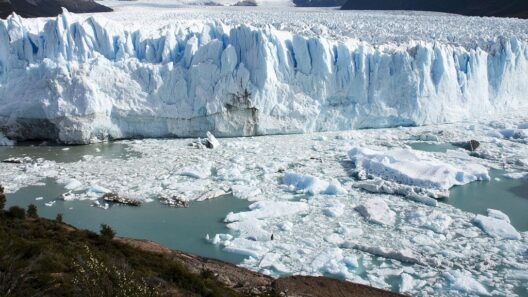
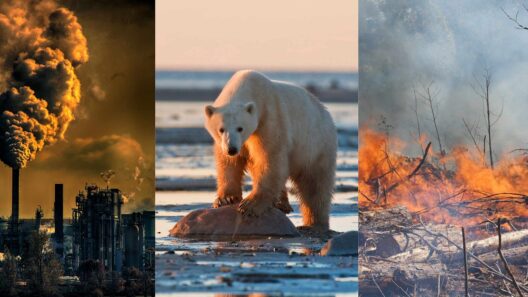
The hydrosphere’s perturbation extends beyond mere precipitation patterns. As temperatures ascend, polar ice caps and glaciers, which serve as vital freshwater reserves, experience accelerated melting. The Arctic and Antarctic regions are witnessing alarming rates of ice loss, contributing to rising sea levels. Coastal communities are on the frontlines, grappling with increased flooding and erosion as saline intrusion compromises local aquifers. This increasingly inhospitable environment poses existential threats to myriad species, from terrestrial flora to marine fauna, which are inadequately prepared for such abrupt transitions.
Furthermore, as climatic conditions shift, so too does the distribution of freshwater resources. Areas that once boasted abundant aquifers may find themselves depleted as extreme conditions alter hydraulic dynamics. The impact reverberates through ecosystems, where species depend on specific water availability for survival. Freshwater ecosystems, such as rivers, lakes, and wetlands, face heightened stress from both over-extraction and pollution, their ability to filter water compromised by the increased influx of sediments and nutrients following intense storms.
Climate change engenders a paradoxical situation: as some areas suffer from excess water, others endure crippling deficits. This uneven distribution calls for innovative management practices and an adaptation strategy that incorporates far-sighted water conservation measures. Resilience becomes paramount as communities and ecosystems alike strive to adapt to the relentless pressures exerted by a warming world. Rainwater harvested or treated wastewater can help mitigate water shortages, while preserving wetlands serves as a nature-based solution to absorb excess floodwaters.
Beyond the immediate hydrophysical changes, the repercussions of these shifts extend into the socio-economic realm. People, particularly in vulnerable regions, find themselves facing increased risks to health, security, and livelihoods as access to clean water becomes more precarious. Waterborne diseases proliferate in the wake of flooding, while drought leads to malnutrition and famine. In these tumultuous times, equitable water management emerges as a critical component of societal resilience—a charge that necessitates collaborative efforts at local, national, and global scales.
Fortunately, awareness surrounding the water cycle’s fragility has begun to gain traction in public discourse, fostering an intrinsic understanding of the connections between climate change and water resources. In light of the challenges ahead, it is essential to not only educate but also empower individuals to advocate for sound policies and sustainable practices. By nurturing a conscientious relationship with the hydrosphere, societies can harness the power of collective action in mitigating the catastrophic implications of global warming.
In conclusion, as we traverse the complexities of the hydrosphere’s transformation under the grip of global warming, it becomes evident that the interconnections of our water systems hold substantial sway over life on Earth. The promise of a shifting perspective offers an invigorating opportunity to foster curiosity about the intricate water cycle and its plight in the face of climate change. Engaging in informed discussions, proactive measures, and conservation practices may yet turn the tide in safeguarding this indispensable resource. A renewed commitment to understanding and preserving the water cycle signifies our collective resolve in the fight against climate change, ensuring a sustainable future for generations to come.