


Imagine standing in a dense forest, surrounded by towering trees, vibrant foliage, and the symphony of chirping birds and whispering winds. What if I told you that this magnificent ecosystem plays a critical role in our survival and the health of our planet? Forests, often referred to as the “Lungs of the Earth,” are essential, yet they face unprecedented threats from human activity. The destruction of these vital green spaces is not merely a loss of beauty; it is a significant contributor to climate change, and the implications of this degradation are dire.
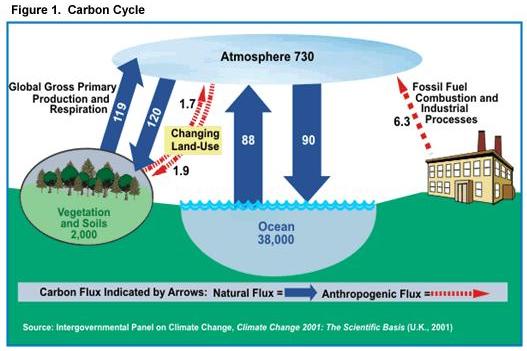
The phrase “Lungs of the Earth” aptly characterizes forests because they absorb carbon dioxide, a principal greenhouse gas, and release oxygen, essential for life. Trees utilize photosynthesis to convert CO2 into glucose and oxygen, thereby playing a pivotal role in regulating the atmosphere’s composition. However, deforestation disrupts this intricate balance. When trees are cut down, not only is there a decrease in oxygen production, but the stored carbon is released back into the atmosphere, exacerbating the greenhouse effect.
Deforestation occurs for various reasons, including agriculture, urbanization, and logging. In fact, around 10 million hectares of forest are lost each year due to human activity. This staggering statistic evokes a sobering question: how much longer can we afford to disregard the consequences of our actions? As we clear forests to make way for crops and infrastructure, we are not just erasing patches of green; we are dismantling vital ecosystems that support biodiversity.
The repercussions of forest loss extend far beyond local environments. An alarming correlation exists between deforestation rates and climate change acceleration. Forests act as significant carbon sinks, storing an estimated 289 billion tons of carbon globally. When they are destroyed, carbon stored in trees is released into the atmosphere, contributing to global warming. This vicious cycle creates a feedback loop where climate change fuels forest degradation and vice versa. As forest ecosystems decline, their capacity to sequester carbon diminishes, ultimately leading to further increases in atmospheric CO2 levels. At what point does this cycle become irreparable?
Moreover, deforestation poses a substantial threat to biodiversity. A myriad of flora and fauna inhabit forest ecosystems, many of which are endemic species that cannot survive elsewhere. The loss of habitat forces these species into increasingly fragmented environments, heightening their risk of extinction. The 2019 Global Biodiversity Outlook reported that around 1 million species face the threat of extinction, largely due to habitat destruction. The elimination of these species can disrupt food chains and diminish ecosystem resilience, leading to further environmental degradation.
In addition to wildlife extinction, deforestation impacts human communities, particularly indigenous populations who rely on forests for their livelihoods, culture, and identity. These communities have coexisted with forests for centuries, possessing invaluable knowledge about sustainable management practices. Yet, as their lands are usurped for commercial development, they face displacement and the loss of their heritage. This raises another curious question: how can we strike a balance between economic development and environmental preservation, ensuring that the rights and knowledge of indigenous peoples are respected?
Reforestation and afforestation efforts present hopeful strategies to mitigate the effects of deforestation and facilitate ecological recovery. By planting trees, we can restore carbon sinks, improve biodiversity, and enhance ecosystem services such as water purification and soil stabilization. Organizations worldwide have launched initiatives focused on replanting native tree species to restore degraded landscapes. However, these efforts require a concerted and sustained commitment from governments, corporations, and individuals alike. Will we rise to the challenge?
Integrating sustainable practices into our daily lives can also contribute to combatting climate change. Supporting certified sustainable products, reducing meat consumption, and advocating for responsible land-use policies are all actionable steps that individuals and communities can take. The movement towards sustainability not only fortifies our forests but also fosters awareness about the realities of climate change and its far-reaching effects.
Furthermore, education plays a significant role in addressing the prevailing ignorance surrounding climate change and deforestation. By promoting environmental literacy in schools, communities can cultivate a generation of environmentally conscious individuals who advocate for preservation and restoration. The transformation lies in our collective effort to ignite passion and concern for our planet in others. How can we inspire more people to partake in this urgent movement?
In conclusion, the fate of our forests directly influences the trajectory of our planet’s climate. The interplay between deforestation and climate change is complex and multifaceted, requiring a holistic approach to sustainability. Preserving forests is not merely an environmental issue; it is a socioeconomic and cultural imperative warranting immediate action. As stewards of the Earth, we must rise to the occasion, making conscious choices that protect our planet’s lungs for future generations. The call to action is simple yet profound: let us unite in the mission to safeguard our forests, for in doing so, we secure a healthier world for ourselves and generations to come.