


Throughout human history, our choices, however seemingly trivial, have orchestrated profound ripples that reverberate across the intricate web of life on Earth. Understanding the planetary pulse—that collective heartbeat of environmental systems—is essential to grasping the gravity of climate change. The relationship between human decisions and global warming is nuanced. These decisions range from individual consumer behavior to overarching industrial processes. By dissecting this connection, we can foster awareness that leads to meaningful action.
At the core of this discussion is the undeniable reality that anthropogenic activities are the primary drivers of climate change. Human-induced factors account for an alarming increase in greenhouse gas emissions, which are the principal culprits in atmospheric warming. Fossil fuels, deforestation, and industrial agriculture serve as pivotal players in this saga. Each transition from one energy source to another, each meal consumed, becomes a thread in the larger tapestry of climate impact.
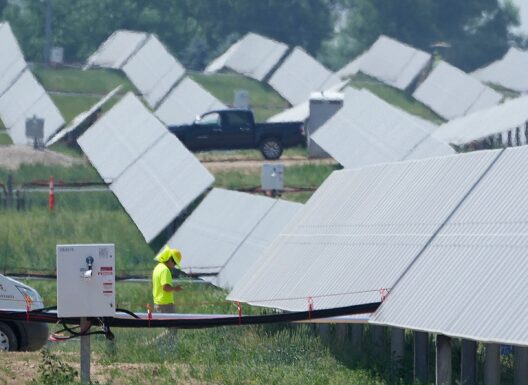
Fossil fuel combustion—namely coal, oil, and natural gas—constitutes the most significant source of carbon dioxide (CO2) emissions. The energy sector, which underpins modern civilization, fundamentally relies on these fossil fuels. Electricity generation, transportation, and heating are largely fossil fuel-dependent. Yet, this dependency represents a double-edged sword. On one hand, it facilitates economic growth; on the other, it engenders environmental degradation. The imperative for a paradigm shift towards renewable energy—solar, wind, and hydroelectric power—emerges as not merely urgent but essential to mitigate further warming.
In tandem with energy use, industrial processes, particularly in agriculture, contribute substantially to greenhouse gas emissions. The agricultural sector is multifaceted, comprising livestock production, crop cultivation, and land use changes. Each aspect carries its own emissions profile. For example, livestock farming releases methane—a gas with a global warming potential many times greater than CO2. Livestock also requires vast amounts of feed, driving deforestation for pastureland and cropland. The cyclical relationship between consumption habits and agricultural practices thus becomes glaringly evident.
Yet, understanding the issue in isolation can render it abstruse. It is crucial to examine human choices at the individual level. Consumer behavior collectively shapes demand, thereby influencing production practices. Choices surrounding dietary preferences wield significant power. A shift towards plant-based diets can lead to a resultant decline in livestock farming, consequently reducing methane emissions and lessening the strain on land and water resources. Such a pivot is not merely an abstract ideal but a pragmatic pathway towards sustainability.
Moreover, the phenomenon of food waste compounds the impact of consumption choices. Approximately one-third of all food produced globally is wasted. This stark reality translates into unnecessary emissions, inefficiencies in resource use, and heightened pressure on ecosystems. The repercussions of this waste extend beyond just food systems. They collide with issues of social equity and economic viability. Therefore, redefining our relationship with food—from production to consumption—can unravel the complexity of climate issues.
Transportation, another pivotal area of focus, is intricately linked to human choices and urban planning. The transition from private vehicle reliance to alternative modes of transport, such as public transit, cycling, and walking, is fundamental. Transportation contributes significantly to CO2 emissions; thus, altering this paradigm is a crucial avenue for reducing overall greenhouse gas output. Urban design plays a paramount role here; compact, pedestrian-friendly environments can foster sustainable transportation habits.
Furthermore, consumer electronics and manufacturing processes deserve scrutiny. The proliferation of technology has led to an insatiable appetite for new devices, often resulting in a cycle of obsolescence. The life cycle of electronics—from extraction of raw materials to fabrication, distribution, usage, and eventual disposal—carries a substantial carbon footprint. Choices regarding electronics consumption, such as opting for sustainable products or extending the life of existing devices, can mitigate associated emissions.
As individuals, we often feel dwarfed by the scale of global climate challenges. Yet, countless people have rallied behind grassroots movements, urged by a desire for systemic change. Collective action amplifies individual voices. Advocacy can shift policies, influence corporate practices, and catalyze widespread societal evolution. This phenomenon emphasizes the potency of civic engagement, illuminating the path forward toward accountability and environmental stewardship.
Importantly, awareness of climate change intersects with social justice. Vulnerable communities often bear the brunt of climate impacts despite contributing least to the problem. This interconnection reveals an ethical dimension to environmentalism—a call to ensure equity and justice are integral to climate change discussions. Elevating the voices of those disproportionately affected by climate change can lead to enriched policies and solutions that consider every facet of society.
In recognizing the transformative potential of human decisions, we unlock an opportunity to chart a course towards sustainability and resilience. The planetary pulse is not solely a scientific endeavor but a cultural awakening, urging us to recalibrate values and priorities. Understanding that each choice—be it a meal, a mode of transport, or an electronic purchase—holds environmental significance fosters a deeper appreciation for our role in the ecological balance.
In conclusion, the interplay between human choices and global warming is complex yet illuminative. It invites us to interrogate our habits, challenge prevailing norms, and adopt a more sustainable trajectory. The planet’s pulse is a cumulative reflection of our actions, and by diligently engaging with it, we wield the power to foster a healthier, more sustainable future for generations to come. The clarion call is clear: reimagine choices, and in doing so, redefine outcomes on a planetary scale.