

Energy is a fundamental component of our universe, influencing everything from the movement of planets to the tiniest reactions within cells. But have you ever pondered how energy is conserved and transferred in our everyday lives? What if we lived in a world where energy could vanish entirely? This could provoke a myriad of issues, from the mundane to the catastrophic. Let’s embark on a journey to elucidate the foundational principles of energy conservation and transfer, and explore their implications on our daily existence and the environment.
At the core of our discussion is the Law of Conservation of Energy, a fundamental principle in physics that states energy cannot be created or destroyed, only transformed from one form to another. This bedrock principle implies that the total energy in a closed system remains constant. Take a moment to consider: when you turn on a light bulb, the electrical energy transforms into light energy and thermal energy. The total energy may appear to change forms, but the sum remains constant.
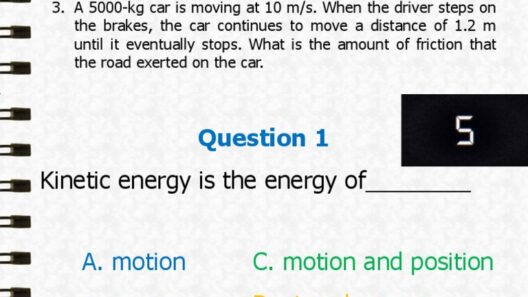
One can categorize energy into various forms: potential and kinetic energy, thermal energy, chemical energy, and many more. Potential energy, for example, is stored energy, while kinetic energy is the energy of motion. When an object rolls down a hill, it converts potential energy into kinetic energy, illustrating a quintessential example of energy transfer. During this transformation, it’s crucial to note that energy is not lost; rather, it transitions through different states.
Now, let’s dive deeper into how energy transfers happen. Energy transfer occurs through several mechanisms: conduction, convection, and radiation. Conduction is the process where heat energy moves through direct contact between materials, such as when a metal spoon heats up in a pot of hot soup. Convection, on the other hand, involves the movement of fluid wherein warmer areas of a liquid or gas rise and cooler areas sink, creating a circulation pattern. This principle is paramount in understanding weather patterns and ocean currents. Lastly, radiation allows energy to travel through space in the form of electromagnetic waves, like the sunlight warming your face on a clear day.
Our reliance on energy in its various forms underscores the essence of modern civilization. However, with great power comes great responsibility. As we consume energy for daily tasks—whether it’s powering our homes or fueling our vehicles—we unknowingly engage in a delicate balancing act of energy conservation and transfer. It prompts the question: how can we minimize energy waste in our lives? The challenge lies inherently in our consumption patterns and the efficiency of our energy systems.
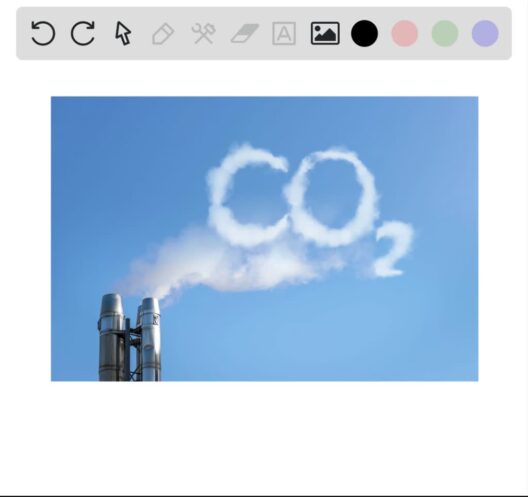
The concept of energy efficiency can be a game-changer. Energy-efficient appliances use a fraction of the energy compared to their standard counterparts, thus minimizing waste. For instance, LED bulbs consume significantly less energy while providing the same amount of brightness as traditional incandescent bulbs. By embracing energy-efficient options, we conserve energy and simultaneously reduce our carbon footprint—an essential step towards environmental sustainability.
Understanding energy transfer can also foster a greater appreciation for renewable energy sources. Solar panels, for example, convert sunlight—radiant energy—into electrical energy, thus harnessing a renewable resource that’s abundant and sustainable. Wind turbines do similarly, capturing kinetic energy from wind and converting it into mechanical power. By shifting our focus to renewable energy sources, we can significantly alter the trajectory of energy usage globally.
Moreover, energy conservation extends beyond individual actions; it encompasses systemic changes. Governments and societies can implement policies and protocols to promote renewable energy resources and improve energy efficiency. Incentives for using solar panels, investments in public transportation, and mandates for stricter energy efficiency standards are ways to transform energy consumption on a larger scale. Those engaged in policy work hold the potential to tip the scales toward conservation.
The role of education is pivotal in fostering energy awareness and instilling responsible consumption habits among the populace. It begins in our homes, continues in our schools, and resonates throughout our communities. Teaching future generations about the intricacies of energy conservation not only equips them with knowledge but also inspires them to tackle the challenges ahead. They will be tasked with maintaining the balance of energy demand and environmental stewardship.
One must not overlook the undeniable reality that the Earth houses valuable resources—fossil fuels, minerals, and more—that could fuel our society. However, the over-exploitation of these resources can become a double-edged sword. The more we tap into Earth’s reserves, the faster we approach a depletion crisis, illustrating the importance of responsible resource management. This drives home the necessity of energy conservation and sustainability.
In conclusion, the study of energy conservation and transfer opens a Pandora’s box of knowledge. The intricate dance between energy forms highlights the interconnectedness of our actions and the environment. The challenge lies not only in understanding these principles but also in applying this knowledge pragmatically to cultivate a sustainable future. What steps are you willing to take to promote energy conservation in your life? The world’s energy future may very well depend on the choices we make today.